
Reviewed · BUDAPEST COMMUNIST HISTORY TOURS
Life Under Communism with House of Terror or Statue Park
Budapest’s communist past becomes easier to understand when you look beyond political slogans and monuments. This private tour begins at Bambi Eszpresszó, an old meeting place linked with the 1980s, then uses personal stories and discussion to explain how the system shaped ordinary life from the 1960s through the late 1980s. I like the focus on daily details, and I like that the guides can adjust the conversation to your background and interests. The main consideration is that this is a walking and public-transport experience, so it is not suitable for people with mobility impairments.
I also like the small private format. For up to five people, you get time for questions rather than a one-way speech, and the guides, Annamaria and Miklos, can adapt the pace. The $282 group price is not cheap for three hours, but it can be fair for a family or small group that wants a personal history lesson rather than a standard city tour.
Key points to know before booking
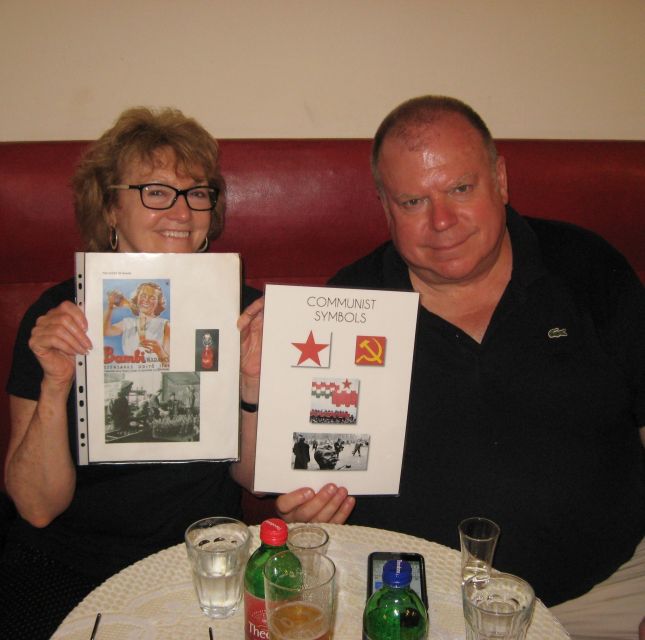
- Start at Bambi Eszpresszó: Begin in a real Budapest meeting place associated with the 1980s, not just a modern lecture room.
- Everyday history comes first: Learn how communism affected shopping, work, travel, social life, and personal choices.
- Private group of up to five: The format leaves room for honest questions and a discussion suited to your knowledge level.
- Choose a major historical site: The experience is offered with the House of Terror or Statue Park, depending on the arrangement.
- Public transportation is part of the experience: You may ride Budapest transit and see parts of the city outside the usual sightseeing route.
- Plan for movement: Wear comfortable shoes and weather-appropriate clothes, and note that the tour is not suitable for people with mobility impairments.
Starting at Bambi Eszpresszó, a cafe with a past
The meeting point gives this tour a useful sense of place. Bambi Eszpresszó is described as an emblematic meeting place of the 1980s, so the experience begins with a real location connected to the period rather than with a generic introduction in a hotel lobby.
That matters because communist history can feel remote when it is presented only through dates and official events. Sitting in or beginning at an old-style cafe helps you think about how people met, talked, and spent time during an era when public life was shaped by the state.
The cafe is not simply a backdrop. It helps set up the main question of the tour: What did communism feel like during an ordinary week? The answer involves more than government structure. It includes what you could buy, how you found information, what travel required, how people handled shortages, and how openly they could speak.
You should not expect a long cafe meal to be included. Food and drinks are not part of the price, so any refreshment is your own expense. The meeting point is best understood as the opening setting for the discussion.
More communist-era tours in Budapest:
- Budapest: Communist History Tour with House of Terror Option
★ 4.8 · 182 reviews - Communism in Hungary with a Historian
★ 5.0 · 70 reviews - Budapest: 3-Hour Walking Tour About Communism (Small Group)
★ 4.7 · 70 reviews
Understanding communism through ordinary routines
The tour promises an overview of how the communist system worked on several levels, but its strongest angle is the connection between government policy and daily behavior. You will hear about the period from the 1960s to the late 1980s, a span long enough to show change rather than treating the entire era as one unchanging block.
That time frame is important. Life in Budapest during the 1960s was not identical to life in the 1980s. A good explanation should help you notice shifts in society, expectations, and the way people related to the state. The guides are able to adjust the material to your existing knowledge, which is useful if one person in your group has studied Eastern European history while another knows very little about it.
The presentation is interactive and personal. You receive printed materials, a notebook, and a pen, which can help you follow the discussion and record questions. Those supplies may sound small, but they suit a tour built around conversation rather than a fast list of sights.
I would approach this experience ready to ask practical questions. You might want to know how people handled shortages, what daily work was like, how families traveled, or what changed after communism ended. The format is designed to make room for that kind of exchange.
Why personal stories change the subject
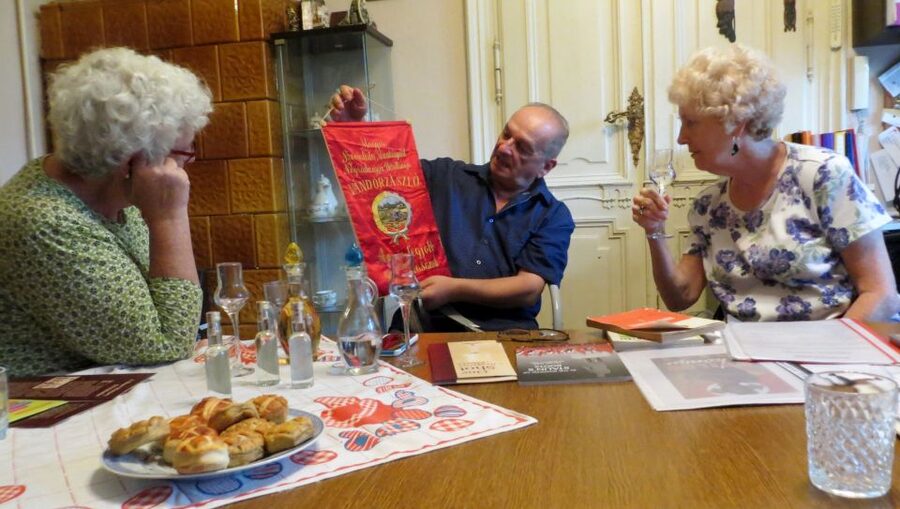
Political history often explains institutions well but misses the human side. Here, personal experiences from the Hungarian communist era form an important part of the presentation. That gives the subject more texture, especially when the discussion moves from official policy to how people actually behaved.
One guide has been praised for sharing personal experiences from the period and for communicating with warmth. Another strong feature is the willingness to tailor the tour to the group’s interest and level of knowledge. If you already understand the broad Cold War setting, you can spend more time on social details and local memories. If the subject is new to you, the guides can establish the basic framework first.
The personal approach also creates space for honest dialogue. That is valuable with a sensitive subject. Communism in Hungary is not just a museum topic. It affected family memories, public attitudes, and the appearance of the city. A private conversation can help you ask questions that might not fit into a large group tour.
Still, personal storytelling has limits. Your experience will depend partly on the guide, your questions, and the balance of the group. If you prefer a tightly scripted route with a fixed list of exhibits, this may feel less predictable. If you prefer discussion and explanation, the flexible format is a strength.
Getting around Budapest during the three hours
Pickup at your Budapest accommodation is included. You need to tell the local partner where you would like to be collected, and the guide then meets you before you make your way to the first stop.
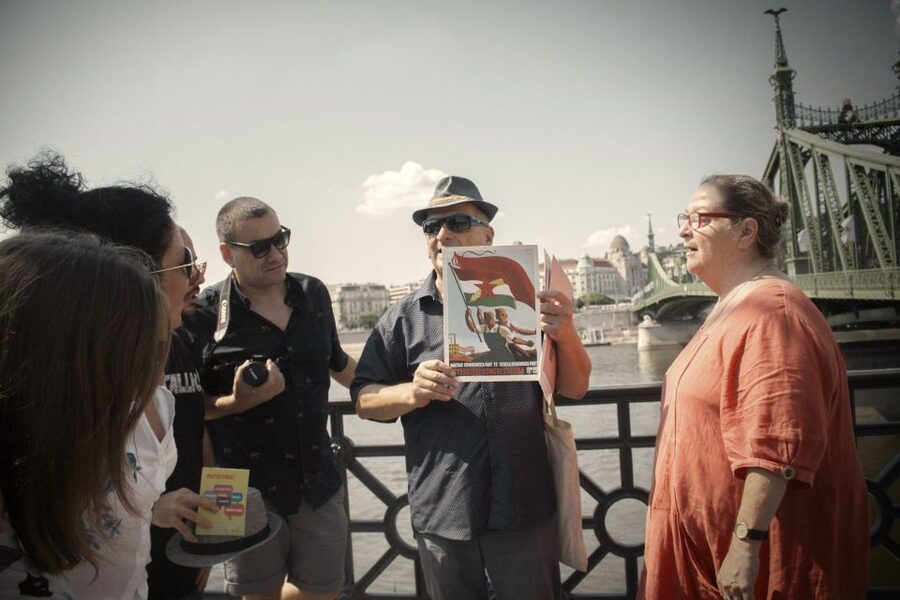
Transportation itself is not included as a separate service. The tour may include riding public transportation, and one past participant especially appreciated seeing parts of Budapest that are easy to miss on a standard sightseeing route. That makes the movement between stops part of the lesson, not just dead time.
For you, this means the tour can show how the city connects beyond the famous center. It also means you should wear comfortable shoes and dress for the weather. The experience lasts three hours, and the route may involve walking, boarding transit, and moving between locations.
The exact route can be adjusted to your group’s interests and requests, but you should not assume that every possible site is included. Ask about the planned route when booking, particularly if you have a strong preference for the House of Terror or Statue Park.
Same city, a completely different sort of day:
- Budapest: City Highlights Cruise with Welcome Drink
★ 4.6 · 35,610 reviews - Budapest: Unlimited Prosecco, Beer and Aperol Spritz Cruise
★ 4.8 · 25,310 reviews - Budapest: Széchenyi Spa Day Ticket with Optional Upgrades
★ 4.3 · 23,911 reviews - Budapest: Nighttime or Daytime Sightseeing Cruise
★ 4.2 · 21,062 reviews
House of Terror or Statue Park
The title presents a choice between the House of Terror and Statue Park. Both connect with Hungary’s 20th-century political past, but they offer different kinds of experiences.
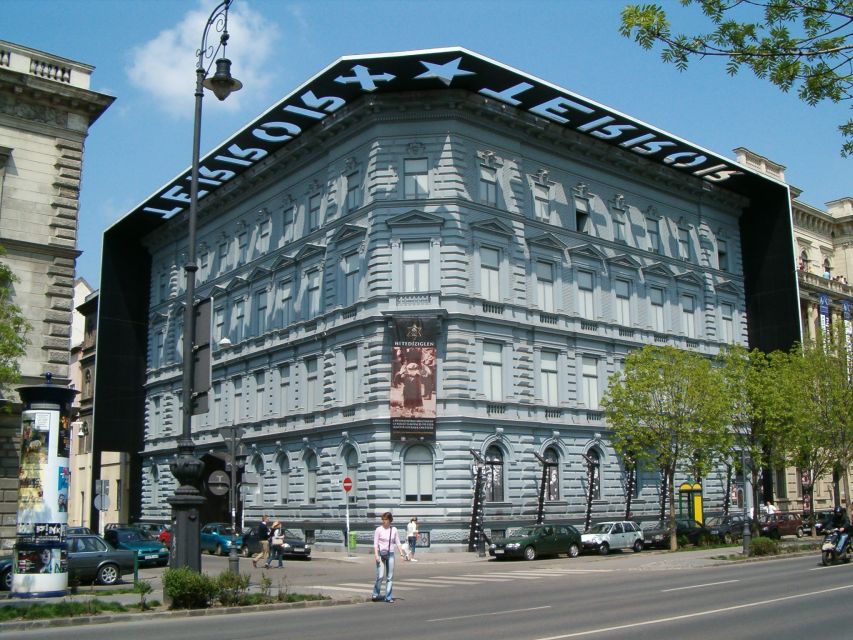
The House of Terror is associated with the history of dictatorship and repression. If your interest is in institutions, political control, and the human cost of authoritarian rule, this option may fit your questions best. It can add emotional weight to the discussion, particularly after you have heard how ordinary life worked outside the official story.
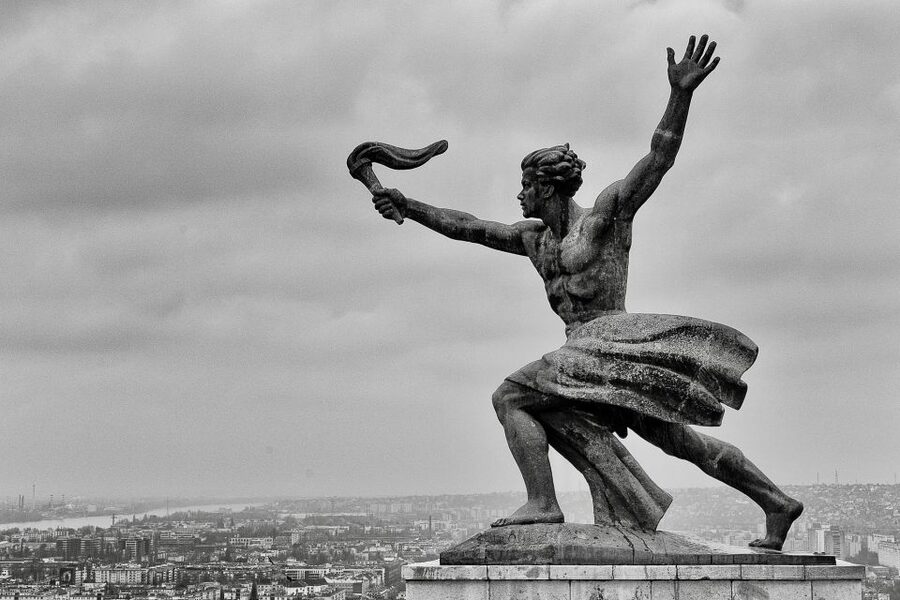
Statue Park offers a different angle. It is known for its collection of communist-era statues moved from central Budapest after the political changes. If you want to examine propaganda, public symbols, and what happens to official monuments after a system ends, this choice may be more useful.
The supplied information does not specify that both sites are visited in one three-hour program, so clarify which option is planned. Entry arrangements are also not detailed, and food, drinks, and transportation are not included. Do not assume the listed price covers every admission or transit expense unless the local partner confirms it.
The choice should depend on your interests. The House of Terror may suit someone seeking a more direct account of repression. Statue Park may suit someone interested in public art, political symbols, and the physical remains of a former system.
What the flexible format adds
A private group can make a major difference with a subject like this. You are not trying to squeeze your questions into a large crowd or follow a fixed speech aimed at every level of knowledge. The guide can adjust the route and conversation to your group.
That flexibility has been praised repeatedly. The tour can be adapted to what interests you, and there is time for an honest exchange. One participant also described the guide as arranging the route around the group’s expectations, which is useful if you want to spend more time on social history than on formal politics.
The flip side is that flexibility can make the experience harder to judge in advance. The exact balance of presentation, transport, discussion, and site visits may vary. I would send special requests before the tour, especially if you want emphasis on family life, travel, economics, political control, or the transition away from communism.
The available languages are English, German, and French. If your group needs one of these languages, state your preference when arranging the tour.
Is $282 good value for a group of five?
The price is $282 per group, with up to five people included. For one or two people, that is a significant cost for a three-hour activity. For five, the price works out to about $56 per person, which is easier to justify for a private experience with pickup and a guide who can adapt the program.
Value depends on what you want from Budapest. If you are looking for a low-cost overview of communist history, a museum visit and a guidebook may cost less. If you want a tailored conversation, personal stories, local context, and the chance to see parts of the city by public transportation, the private format gives the price a clearer purpose.
The group size matters. A family of five, or a group of friends with a shared interest in recent history, can divide the cost and ask questions freely. Solo visitors may find the price harder to defend unless this subject is a central reason for the Budapest visit.
Remember that food and drinks are excluded, and transportation costs are not covered as a separate inclusion. Confirm how the chosen site and any admissions are handled before you pay.
Who will get the most from this experience?
I would recommend this tour most strongly to people who want context rather than a checklist. It suits history buffs, students of 20th-century Europe, and anyone who wants to understand how political systems affect ordinary decisions.
It also works well for people who already know the basic timeline. You can use the guide’s flexibility to ask more specific questions and compare the 1960s with the late 1980s. Families may find the personal side useful because it opens a conversation about how life changed across generations.
The tour is less suitable if you want a purely visual sightseeing outing. Much of the value comes from listening, asking questions, and thinking about the subject. You should also reconsider it if walking or public transportation is difficult, since the activity is specifically listed as unsuitable for people with mobility impairments.
This is not a light entertainment stop. Communism, political repression, and personal memory can be serious subjects. The reward is a better understanding of Budapest beyond its grand buildings and postcard views.
Practical advice for a smoother visit
Wear comfortable shoes and clothing that suits the weather. You may walk between locations and use public transportation, and the three-hour duration is long enough for poor footwear to become a problem.
Tell the local partner about special requests before the tour. The guides can adapt the experience as much as possible, but they need to know what you want to discuss. Mention your preferred language, your interest in the House of Terror or Statue Park, and your group’s level of background knowledge.
Allow room for conversation. This is not the kind of tour where you should expect every minute to follow a rigid schedule. The guide may spend extra time on a question that matters to your group, which is one of the main reasons to choose a private format.
The activity allows free cancellation up to 24 hours before the start time, and you can reserve now and pay later. Those terms give you some flexibility, but they do not replace the need to confirm the exact route and site arrangements.
Should you book this Budapest communist-era tour?
Book it if you want a personal, discussion-led look at Budapest from the 1960s through the late 1980s. The strongest reasons are the small private group, the start at Bambi Eszpresszó, the personal experiences shared by the guides, and the chance to shape the conversation around your interests.
I would be more cautious if you want a cheap activity, a fully fixed itinerary, or a tour with no walking. The $282 price makes the most sense for a group of up to five, especially when you value pickup, flexible explanations, and time for questions.
For a history-focused visit, this can fill in the details that monuments alone cannot provide. Choose the House of Terror or Statue Park based on your interests, confirm what is included, and arrive ready to ask how big political change affected ordinary life.
FAQ
How long does the experience last?
The tour lasts three hours.
How much does the private tour cost?
The price is $282 for a private group of up to five people.
Where does the tour begin?
The program begins at Bambi Eszpresszó, an emblematic meeting place associated with Budapest in the 1980s. Pickup from your accommodation in Budapest is included before you travel to the first stop.
Can the guide pick me up at my hotel?
Yes. The guide meets you at your accommodation in Budapest. You need to tell the local partner where you would like to be picked up.
Which languages are available?
The tour is available in English, German, and French.
Is this a private tour?
Yes. It is arranged as a private group experience for up to five people.
Are food and drinks included?
No. Food and drinks are not included in the price.
What should I bring?
Bring comfortable shoes, comfortable clothes, and clothing suitable for the weather. Printed materials, a notebook, and pens are provided for the interactive presentation.
Can I cancel the booking?
Yes. You can cancel up to 24 hours in advance for a full refund. You can also reserve now and pay later.
Just added around Budapest
- Budapest: Private Walking Tour with a Local Guide★ 3.6 · 6 reviews
- Budapest: Danube River Views Bike Ride★ 4.8 · 23 reviews
- Budapest: City Bike Tour with Coffee Stop★ 5.0 · 37 reviews
- Budapest: Vacation Photographer to collect great memories★ 5.0 · 49 reviews
- Walk to recent and aged spiritual sanctuaries near Budapest★ 5.0 · 5 reviews
- From Budapest: Guided Tour of Eger with Wine Tasting★ 4.5 · 6 reviews
- Audio visual multi-sensory chefs journey dinner experience★ 5.0 · 3 reviews
- Budapest: 3-Hour Trabant Sightseeing Tour★ 4.7 · 28 reviews
Budapest Communist History Tours, compared.
Communist History Tour with House of Terror Option
Read our review →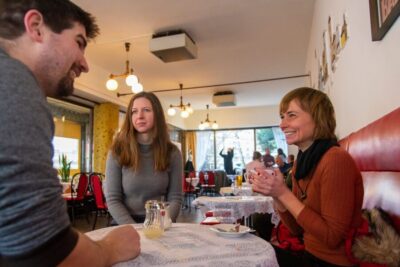
3-Hour Walking Tour About Communism (Small Group)
Read our review →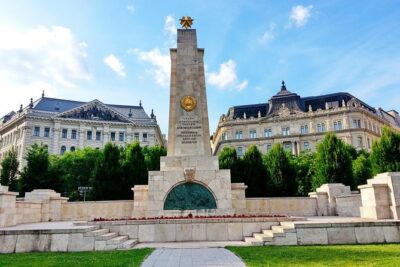
Lives of Hungarians Under Communist and Capitalist system
Read our review →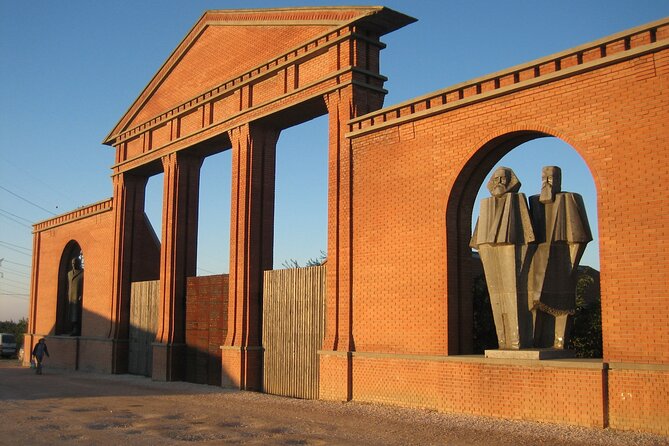
Private Budapest Hammer & Sickle Communist Times Tour
Read our review →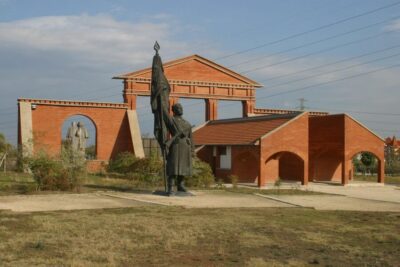
Browse the lists this tour appears in