
Reviewed · BUDAPEST COMMUNIST HISTORY TOURS
Budapest: 3-Hour Walking Tour About Communism (Small Group)
Budapest’s Communist past is easier to understand when you see it in the streets, not just behind museum glass. This three-hour walk starts at Deák tér, follows the marks of World War II, the 1956 Revolution, state socialism, and the changes of 1989, then ends with a drink in a café that has looked much the same since 1961. The personal stories are the real hook. History becomes daily life, with shortages, political pressure, odd compromises, and the comic moments families still remember.
I like the small group of no more than 10, which leaves room for questions and discussion. I also like the red M2 subway ride, since it adds an ordinary piece of Budapest life to a serious subject. The main consideration is that the tour covers a large period in three hours, so anyone wanting a carefully dated, strictly chronological account may need to ask for that structure along the way.
Key points to know before you book
- Family stories put politics into human terms, including memories of growing up under socialism.
- A retro café dating to 1961 provides a natural place to talk, ask questions, and absorb the subject.
- The route begins at Deák tér, one of Pest’s easiest meeting points, with access to three subway lines.
- The tour connects several eras, from World War II and the 1956 Revolution to 1989 and the early 1990s.
- The red M2 subway ride is included, along with one drink at the café.
- Guide quality is a major strength, with guides such as Judit, Greg, Virág, Dániel, Monica, and Zsuzsanna praised for clear explanations and personal insight.
Why this Budapest Communist history walk works
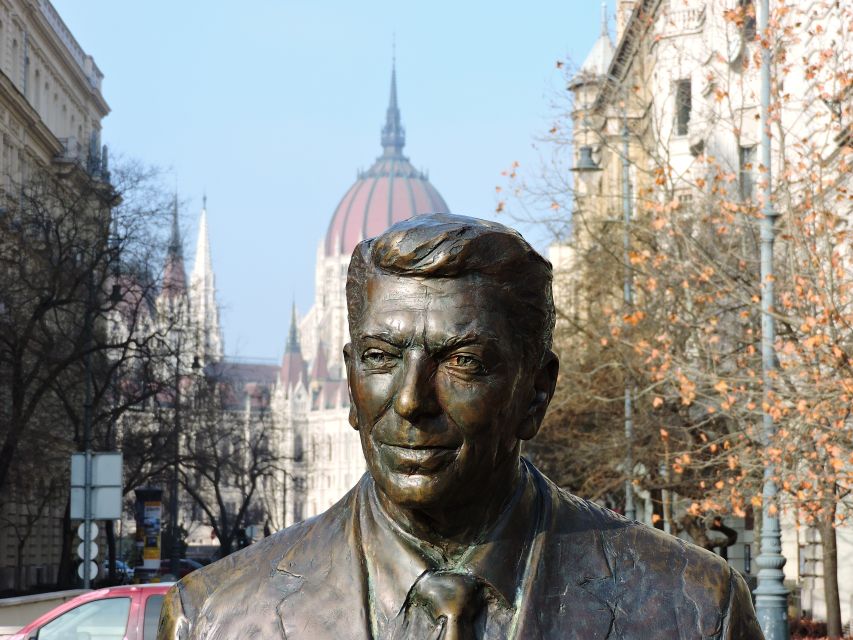
Many Budapest history walks concentrate on grand buildings, famous squares, and the city’s Austro-Hungarian elegance. This one asks a different question: how did ordinary people live through the years when Hungary was governed by a Communist system?
That question gives the route its shape. You are not simply shown a statue or a bullet hole. You are given the political background needed to understand it, then the local story that gives it weight. The aim is to explain how Communist ideology arrived, how the system worked, how it changed after 1956, and what remained after 1989.
I particularly like this approach for a first visit to Budapest. You may already know the broad outline of the Cold War, but Hungary’s experience had its own twists. The country moved from the harsh years around the 1950s toward a softer form of socialism, then toward the political changes that helped bring down the old system. A guide can point out those shifts while you are standing in the places where they mattered.
The walk also helps explain why a city can look cheerful and modern while carrying so many difficult memories. Street details, statues, public buildings, and even popular culture can take on a different meaning once you know the story behind them.
More communist-era tours in Budapest:
- Budapest: Communist History Tour with House of Terror Option
★ 4.8 · 182 reviews - Communism in Hungary with a Historian
★ 5.0 · 70 reviews - Budapest Hammer & Sickle Communist Times Tour
★ 4.5 · 68 reviews
Starting at Deák tér in central Pest
The meeting point is in front of the Kempinski Hotel Corvinus Budapest, facing the Ferris wheel in Erzsébet Square. This is Deák Ferenc tér, the central Pest transport hub, and a sensible place to begin if you are staying anywhere near the inner city.
You can reach the meeting point by the M1, M2, or M3 subway lines, as well as several buses and trams. That matters because you do not need to build a complicated journey around the tour. If you are using Budapest’s public transport, Deák tér is one of the simplest places to find.
The walk begins through one of the more pleasant parts of central Pest. That setting is useful. Communism is not presented as something confined to a grim monument or a distant suburb. Its marks appear among cafés, squares, shops, transport stops, and ordinary city streets.
Your guide may point out bullet holes and other physical traces of conflict. These details connect the city’s modern story to World War II, the 1956 uprising, and the decades that followed. The route is not just a parade of famous sites. Small signs, buildings, symbols, and bits of street life can become evidence in the larger story.
From wartime damage to the 1956 Revolution
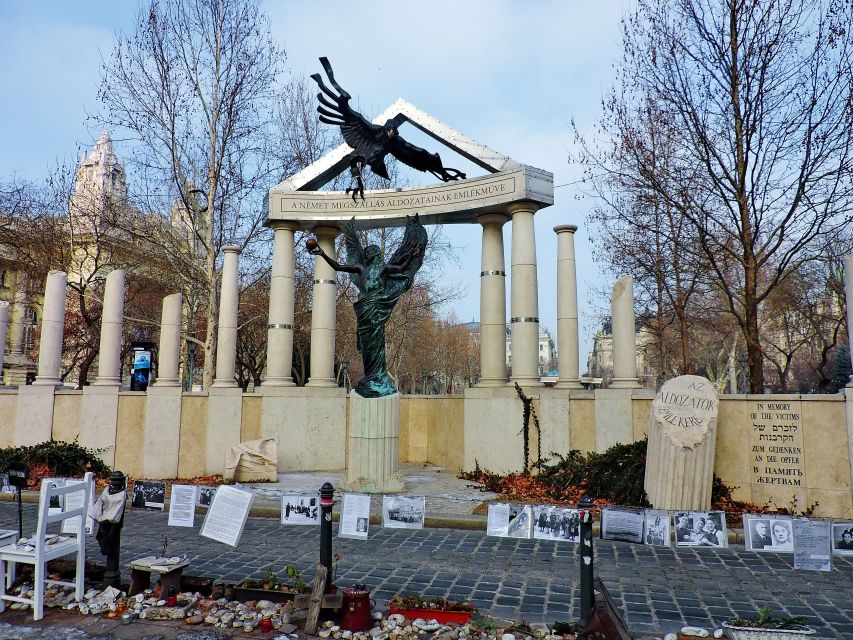
A strong part of the tour is its effort to explain what came before Communist rule. You need that background to understand why the system took hold, why it was resisted, and why the memory of earlier oppression still matters to Hungarian identity.
The guide places World War II, the postwar period, and the 1956 Revolution into the same story. This avoids a common problem with political tours, where the Communist era appears to begin suddenly and end neatly. In Hungary, the years before and after 1956 shaped how people understood power, loyalty, fear, and survival.
The personal accounts make this section easier to grasp. A historian can explain policy, ideology, and political change. A family story can show what those forces meant at home, at school, or in everyday conversation. Several guides, including Judit, Greg, Dániel, and Zsuzsanna, are described as sharing stories from their own families or from people they knew.
That does not turn the tour into a sentimental memoir. Instead, it gives you another layer of evidence. You hear about the practical ways people adjusted to an unpredictable system, as well as the humor that helped them cope. The comic details matter because life under Communism was not one continuous scene of misery. People worked, raised children, found entertainment, made jokes, and built private lives inside public limits.
Understanding Hungarian socialism beyond the word Communist
The term Communist can flatten several different periods into one. This walk tries to show the changes inside the system, including the move toward a softer form of socialism after 1956.
That is one reason the guide matters so much. A good explanation can show the difference between official ideology and actual daily life. It can also explain how political control, church life, media, and public memory affected one another. Greg, in particular, is praised for discussing politics, religion, media, and ordinary life during and after socialism.
You should feel free to ask questions. The activity specifically welcomes them, and the small group makes discussion practical rather than awkward. One guide may give a carefully ordered account. Another may follow your interests more closely, especially if the group is very small. A solo participant once received a particularly tailored tour, while other visitors used the time to compare Hungary’s political past with that of their own countries.
There is one minor tradeoff here. One account found the history could have been presented in a broader, more structured chronological order. If you prefer firm dates and a straight timeline, ask your guide to clarify where each event fits. If you enjoy discussion and connections between past and present, the looser style may suit you better.
More walking tours in Budapest:
- Budapest: Buda Castle Walk with Saint Stephen’s Hall
★ 4.5 · 3,012 reviews - Big Bus Budapest Hop-On Hop-Off Bus and Walking Tour
★ 3.5 · 2,206 reviews - Budapest: Buda Castle District Walking Tour
★ 4.6 · 2,108 reviews - Budapest City Landmarks Walking Tour in 2 Hours
★ 5.0 · 2,048 reviews
The red M2 subway ride
The included ride on the red M2 line is a modest feature, but I think it improves the experience. You are not simply walking from one talking point to another. You are using public transport in the same city whose political history you are studying.
The subway ride also gives the tour a change of pace. Three hours on foot can feel long when every stop requires close attention. A short ride lets you sit, look around, and continue the discussion without stopping the story completely.
The M2 line is part of the practical value of the tour, too. Your transportation ticket is included, so you do not need to arrange a separate ticket for this section. The experience remains focused on Budapest rather than becoming a museum lecture with a walk attached.
Do not expect a long subway journey or a special underground attraction. The value is in using the system as part of the route and understanding how public spaces fit into the city’s modern history.
A drink in a café little changed since 1961
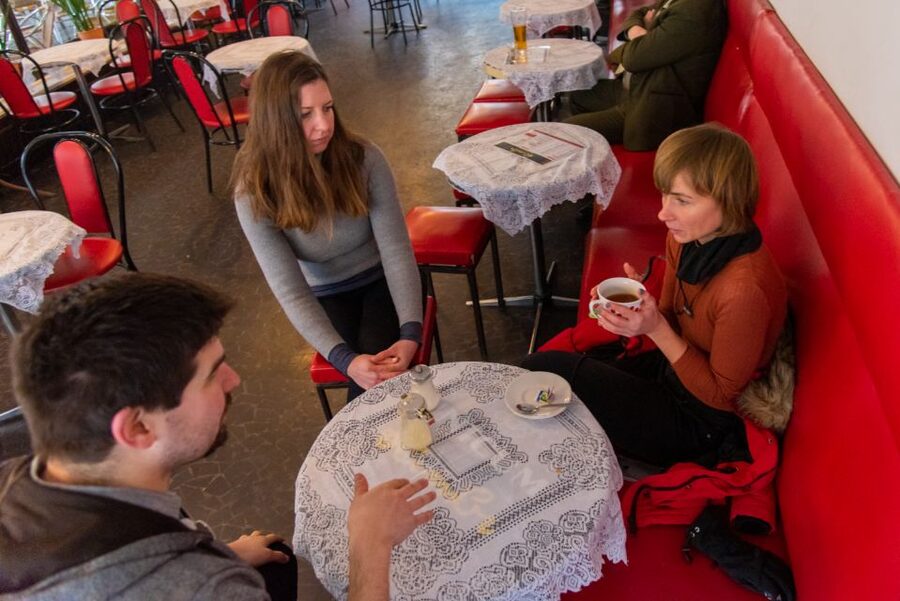
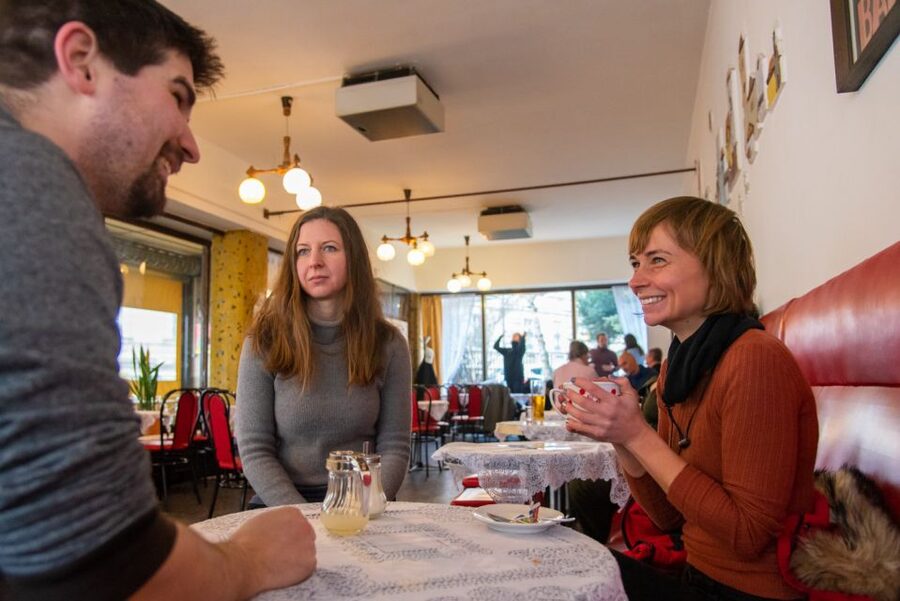
The tour finishes with a drink and a conversation in a cult retro café that opened in 1961 and has changed very little since then. This is more than a refreshment stop. It gives you a physical setting in which to discuss what you have just seen.
I like this ending because the subject is better handled over a table than with one final speech on a pavement. You can ask about a detail you missed, test your understanding, or bring up a comparison with your own country. Several guides are praised for making this final conversation a highlight.
The café also gives the tour an authentic everyday note. Instead of ending at a monument and sending you away with a list of dates, it ends in a place connected to ordinary social life. Its unchanged character helps you imagine the visual world of the period, though you should not mistake the café for a complete reconstruction of Communist Budapest.
The included drink adds a little value to the $57 price. More important, the stop creates space for an informal exchange. If you are shy about asking questions during the walk, this is your best chance to do so.
The guides make or break the experience
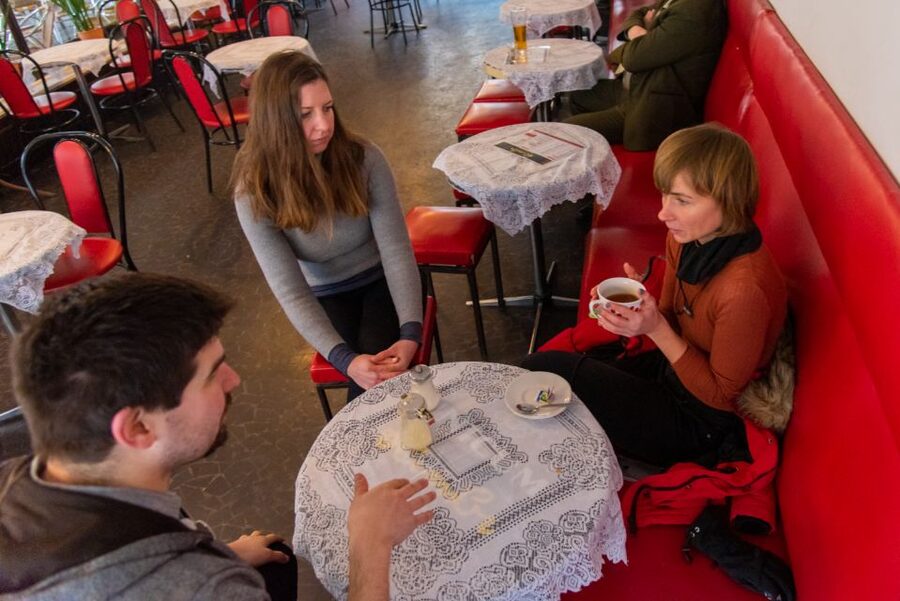
The tour is led in English by a historian guide, but the individual personality will shape your experience. Names associated with the tours include Judit, Greg, Virág, Dániel, Monica, Zsuzsanna, and Gergely.
Judit is praised for combining a strong grasp of Hungarian history with warmth and an easy willingness to answer questions. Greg is a good fit if you want to discuss the period after 1956, the border with Austria, church life, media, and politics. Virág is described as animated and effective at keeping a participant involved.
Dániel is noted for blending family stories with historical explanation. Monica is praised for making the subject feel immediate rather than distant. Zsuzsanna adds street art, popular culture, and small daily details to the political story, which may appeal to you if you prefer history tied to present-day city life.
Because several guides lead the activity, the exact style can vary. You may receive a tightly organized historical account, a discussion-led walk, or a mix of both. The shared strengths are enthusiasm, strong subject knowledge, and a willingness to connect public events with private memories.
Is $57 a fair price?
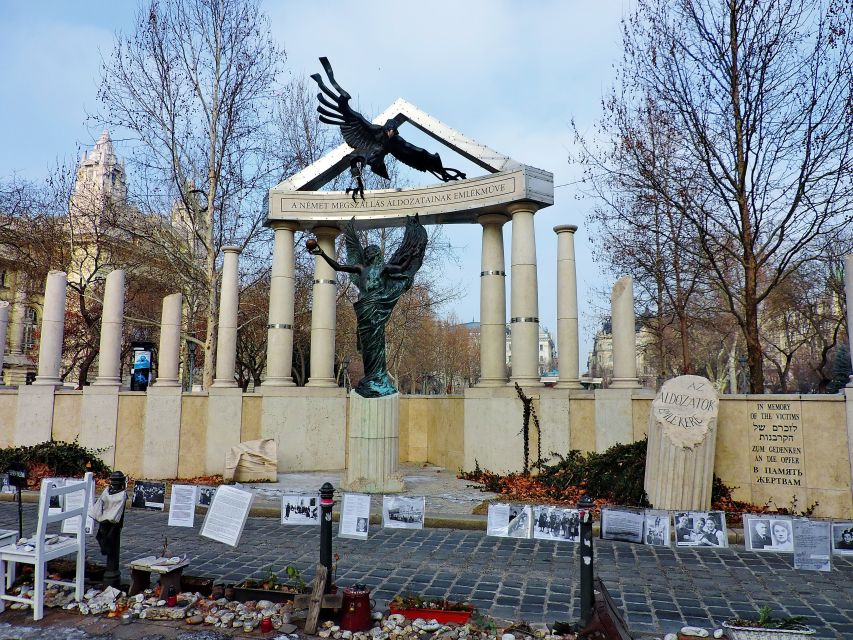
At $57 per person, this is not the cheapest way to walk around Budapest. You are paying for three hours with a specialist guide, a small group capped at 10, an included subway ticket, and a drink in the retro café.
The value is strongest if you would otherwise spend time trying to piece together Hungary’s modern history on your own. The route gives you context, places, personal stories, and a chance to ask questions in one sitting. It can also help you get more from other sites, including museums and monuments you visit later.
The value is weaker if you want a broad sightseeing tour of Budapest’s major attractions. This is not designed to cover the Parliament, Buda Castle, or the city’s best-known architectural sights as a general introduction. It is a focused political and social history walk.
For students, history fans, politically curious visitors, and anyone who wants to understand the city beyond its postcard views, the price is reasonable. The small-group format matters here. A large group would make the personal storytelling and open discussion less effective.
Who should book this walk?
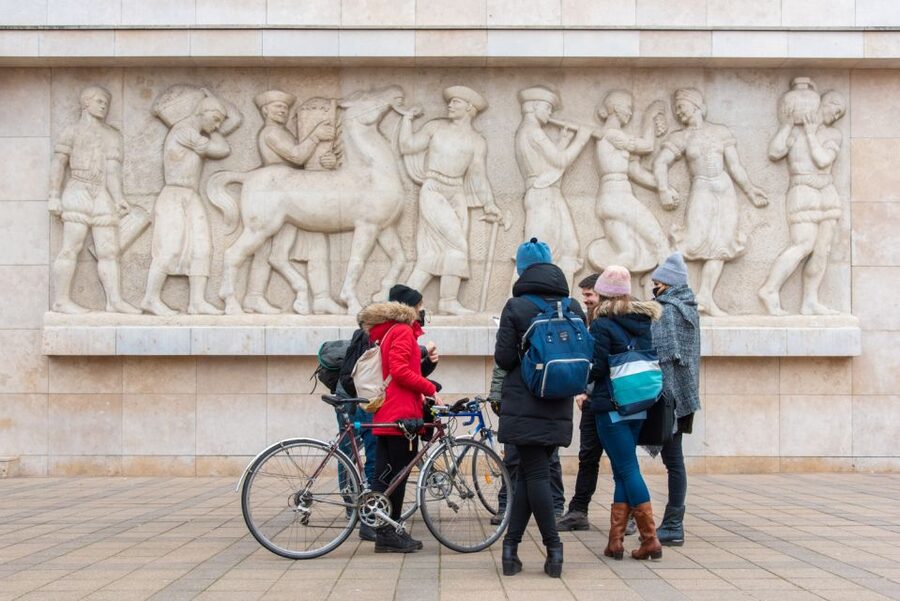
You should consider it if you enjoy history, politics, culture, and conversations that continue beyond the guide’s prepared script. It suits visitors who want to understand why certain statues, symbols, and public spaces still carry strong feelings in Hungary.
It is also a good choice if you have already seen Budapest’s main sights and want another layer. The tour can work early in your stay, since it gives context for later visits, or later in your trip, when you have enough city experience to notice the details being discussed.
Families with older teenagers may find the personal stories easier to connect with than a formal museum display. Solo visitors can benefit from the small group and the chance to ask plenty of questions. English speakers are the intended audience, and the live tour is offered in English.
You may want to skip it if your main goal is architecture, food, or a fast overview of Budapest. You should also set aside the idea that every event will be presented in a perfect timeline. Ask questions when you need structure, and expect the guide to connect political events with personal experience.
Final verdict: book it for context, not just sightseeing
I would choose this tour if I wanted to understand how Budapest’s recent past still shapes its public spaces and people. The best parts are the family stories, the chance to talk with a historian, the M2 subway ride, and the relaxed finish in a café that dates from 1961.
Book it if you value explanation over a checklist of landmarks. At $57, it offers a focused three hours with a small group and an expert guide. Skip it only if Communist-era history is not a priority or if you want a strictly chronological lecture with little discussion. For most curious visitors, it is a useful way to see Budapest with more questions, and better answers, than you started with.
FAQ
Where does the tour meet?
It meets in front of the Kempinski Hotel Corvinus Budapest, facing the Ferris wheel on Erzsébet Square. The address is Erzsébet tér 7, 1051 Budapest.
How long does the walking tour last?
The tour lasts three hours.
What language is the tour offered in?
The live tour guide speaks English.
How many people are in the group?
The group is limited to 10 participants.
What period of Hungarian history does the tour cover?
It focuses on Communism in Hungary, including its arrival, rule, and legacy. The route also discusses World War II, the 1956 Revolution, 1989, and the early 1990s.
Is public transportation included?
Yes. The tour includes a transportation ticket for the red M2 subway ride.
Is a drink included?
Yes. The tour includes a drink at a retro café that has changed little since its opening in 1961.
Who guides the tour?
The tour is led by an expert historian guide. Guides associated with the experience include Judit, Greg, Virág, Dániel, Monica, Zsuzsanna, and Gergely.
Can I cancel the booking?
You can cancel up to 24 hours in advance for a full refund. You can also reserve now and pay later, subject to the booking terms.
More 3-Hour Experiences in Budapest
- 3-Hour Orientation Walking Tour of Buda and Pest
★ 4.8 · 1,834 reviews - Budapest: 3-Hour Grand City Tour and Castle Walk
★ 4.3 · 1,437 reviews - Budapest: 3-Hour Live Guided Sightseeing Tour
★ 4.4 · 1,041 reviews - 3 Hours Budapest Segway Grand City Tour Buda, Margaret and Pest
★ 5.0 · 255 reviews
Just added around Budapest
- Budapest: City Bike Tour with Coffee Stop★ 5.0 · 37 reviews
- Budapest: Private Walking Tour with a Local Guide★ 3.6 · 6 reviews
- Budapest: Danube River Views Bike Ride★ 4.8 · 23 reviews
- Budapest: Vacation Photographer to collect great memories★ 5.0 · 49 reviews
- Walk to recent and aged spiritual sanctuaries near Budapest★ 5.0 · 5 reviews
- From Budapest: Guided Tour of Eger with Wine Tasting★ 4.5 · 6 reviews
- Audio visual multi-sensory chefs journey dinner experience★ 5.0 · 3 reviews
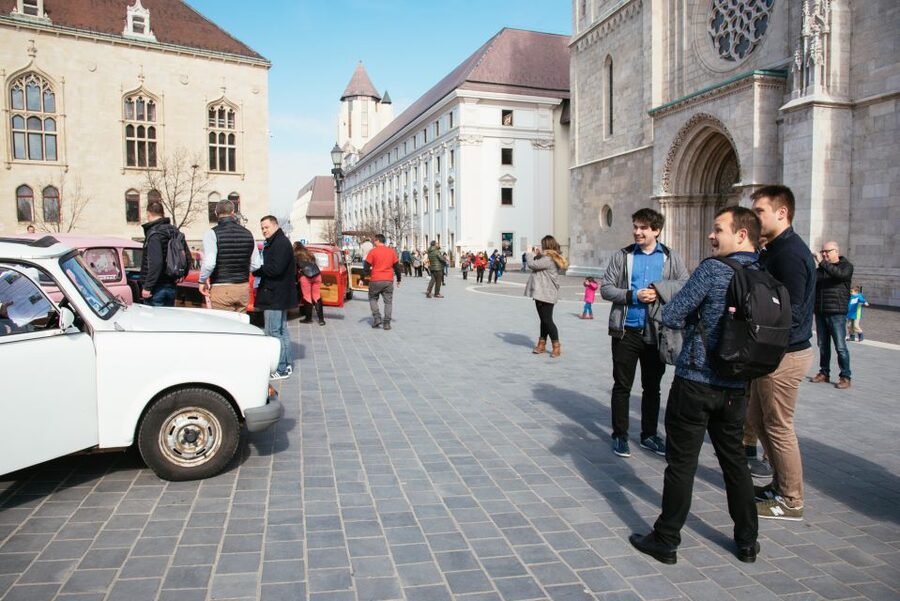
- Budapest: 3-Hour Trabant Sightseeing Tour★ 4.7 · 28 reviews
Budapest Communist History Tours, compared.
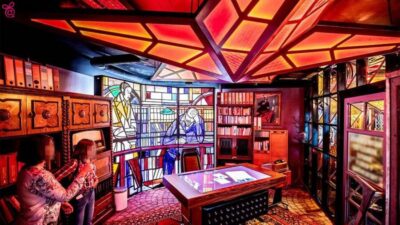
Communist History Tour with House of Terror Option
Read our review →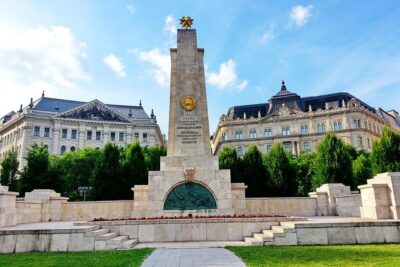
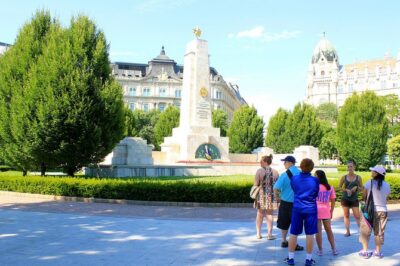
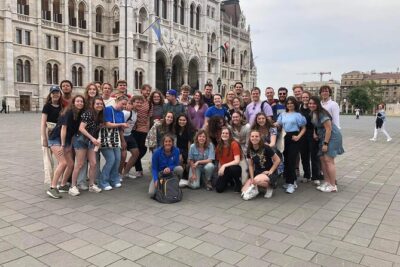
Lives of Hungarians Under Communist and Capitalist system
Read our review →
Private Budapest Hammer & Sickle Communist Times Tour
Read our review →
Browse the lists this tour appears in