
Reviewed · BUDAPEST COMMUNIST HISTORY TOURS
Budapest: Communist History Tour with House of Terror Option
Budapest’s Communist past comes into focus on the streets, not just behind museum glass. This two-hour tour begins near Parliament and traces the marks left by 45 years of Soviet military occupation, from memorials and exile stories to the sites of the 1956 uprising. You then choose between the playful Budapest Retro Center and the much darker House of Terror Museum.
I like the small groups of up to 10, which leave room for questions and personal stories. I also like the choice of mood: the Retro Center uses old cars, home interiors, television sets, and Soviet-era objects to make daily life approachable, while the House of Terror confronts arrest, torture, deportation, and political murder.
The main consideration is emotional weight. The House of Terror is not a light museum visit, and the walking route covers serious material at a steady pace. The meeting point also changes with the option you book, so check your confirmation carefully.
Key points to know before you book
- Two different museum endings: Choose the Budapest Retro Center for an accessible look at daily life, or House of Terror for a stark account of dictatorship.
- A useful central Budapest route: The walk links Parliament, Liberty Square, the Soviet Liberation Memorial, Cardinal Mindszenty’s exile site, and Cold War locations.
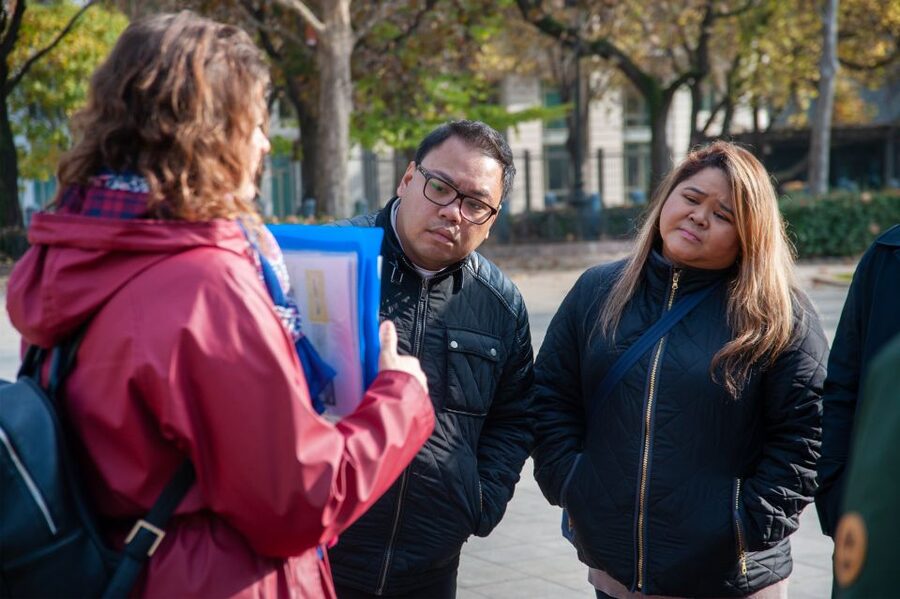
- Strong English-speaking guides: Alexandra, Flora, Bea, Noémi, Kati, and others are praised for clear explanations, local insight, and patient answers.
- Small-group format: The group is limited to 10 people, and some departures may feel almost private.
- A tour with real emotional range: Expect humor and old household objects at the Retro Center, but prison cells, mass deportations, and torture rooms at the House of Terror.
- Good value for history-minded visitors: At $58 per person, the price includes the guide, walking tour, and entry to the selected museum.
From Parliament to the memory of dictatorship
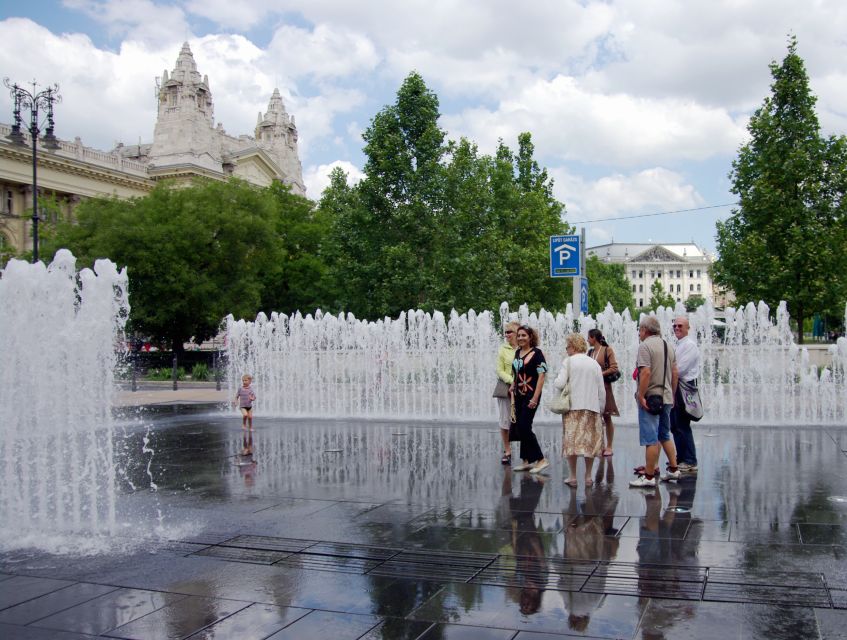
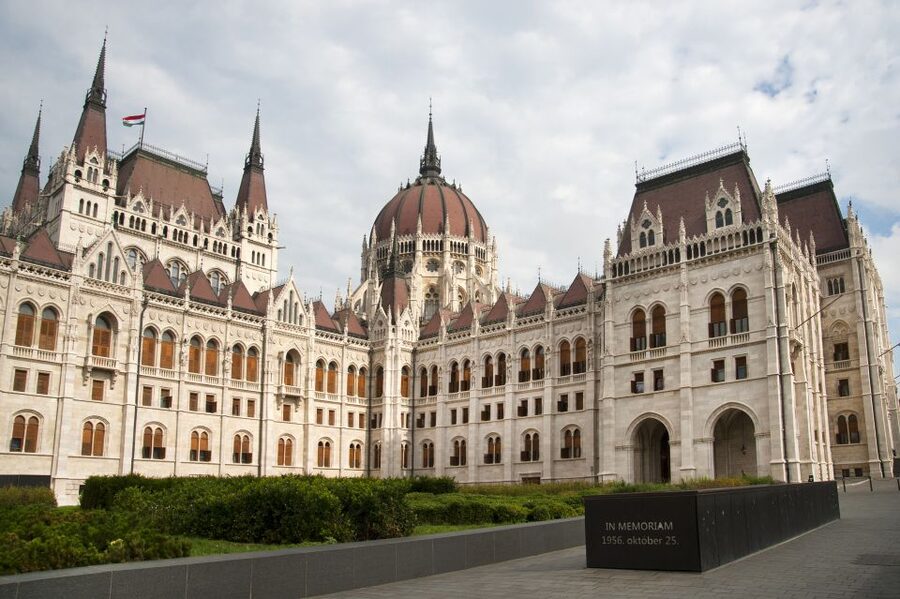
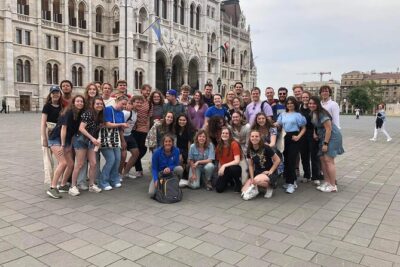
The tour starts in central Budapest near the Hungarian Parliament, one of the city’s grandest buildings. Here, the guide sets up the political story before you head into the streets. That context matters, since the Communist period did not arrive in a vacuum. The route covers the years after World War II, Soviet control, the machinery of the dictatorship, the 1956 revolt, and the eventual end of Communism in 1989.
The first sights include dramatic memorials connected with the victims of Hungary’s Communist rule. Your guide explains how public spaces were used to tell, hide, or reshape political stories. I find this a useful approach because you are not simply looking at statues. You are learning why they were placed there and how their meaning changed after the regime fell.
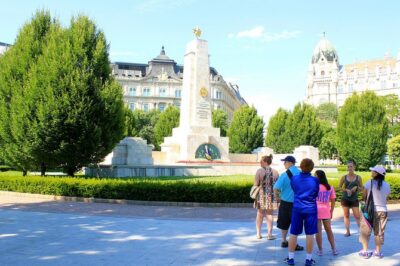
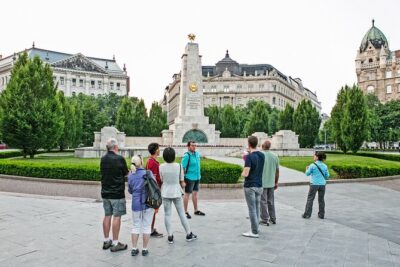
The walk continues to Liberty Square, where the Soviet Liberation Memorial remains in its original location. It is one of the last Communist monuments in Budapest still standing where it was first placed. That makes the stop especially useful for understanding how Hungary has dealt with its past. The monument is not tucked away in a museum or removed to a statue park. It remains part of the city’s daily setting, beside buildings and streets that have continued to change around it.
Your guide also points out the windows associated with Cardinal József Mindszenty, the anti-Communist Catholic Church leader who spent many years in exile there. This is one of the more unusual stops because it connects a major political and religious conflict to an ordinary-looking building. The story helps explain how opposition could survive through religious institutions, private homes, and carefully watched public gestures.
More communist-era tours in Budapest:
- Communism in Hungary with a Historian
★ 5.0 · 70 reviews - Budapest: 3-Hour Walking Tour About Communism (Small Group)
★ 4.7 · 70 reviews - Budapest Hammer & Sickle Communist Times Tour
★ 4.5 · 68 reviews
Cold War secrets and the 1956 uprising
A particularly intriguing part of the route concerns the ventilation channels of a secret underground nuclear bunker built during the Cold War. You do not simply get another broad lecture about East and West. Instead, you see a small physical trace of the fears that shaped the city.
The bunker detail also gives the tour a practical edge. Cold War history can feel abstract when it is reduced to dates and leaders. Seeing the ventilation system makes the threat more concrete. It shows how officials prepared for a possible nuclear attack and how ordinary city spaces could conceal state facilities.
The walk then turns to the Hungarian anti-Soviet revolution of 1956. Your guide explains where events took place and how the revolt unfolded, as well as what followed when Soviet forces returned. This part is central to the tour because 1956 is not treated as an isolated heroic episode. You hear about its hopes, its violence, its defeat, and the consequences for those who took part.
The best guides connect public events with private life. Several guides, including Bea, Veronika, Adam, and Kati, have used personal or family memories to explain what Communist rule meant beyond official speeches. Those accounts can help you understand why older Hungarians may speak about the period carefully, humorously, or not at all. The tour is especially valuable if your family has Hungarian connections or if you want more than the standard city-center sightseeing route.
The Budapest Retro Center: Communism with a lighter touch
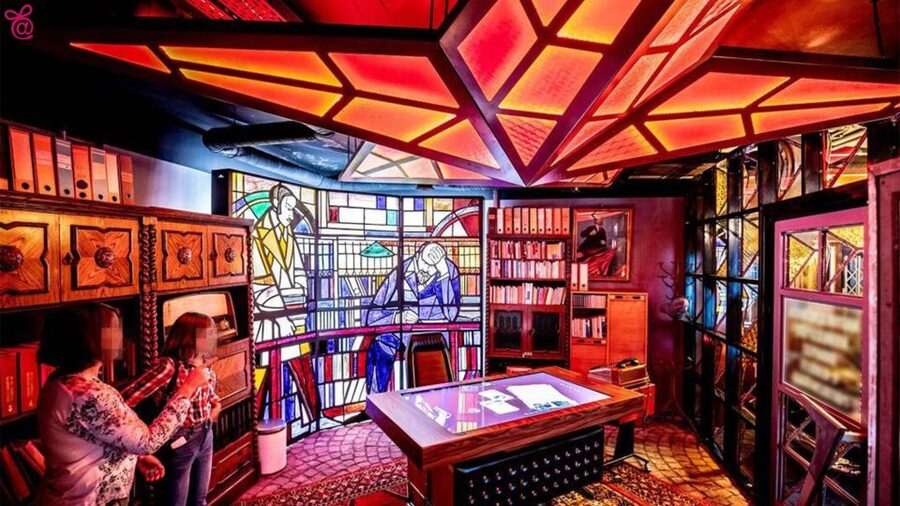
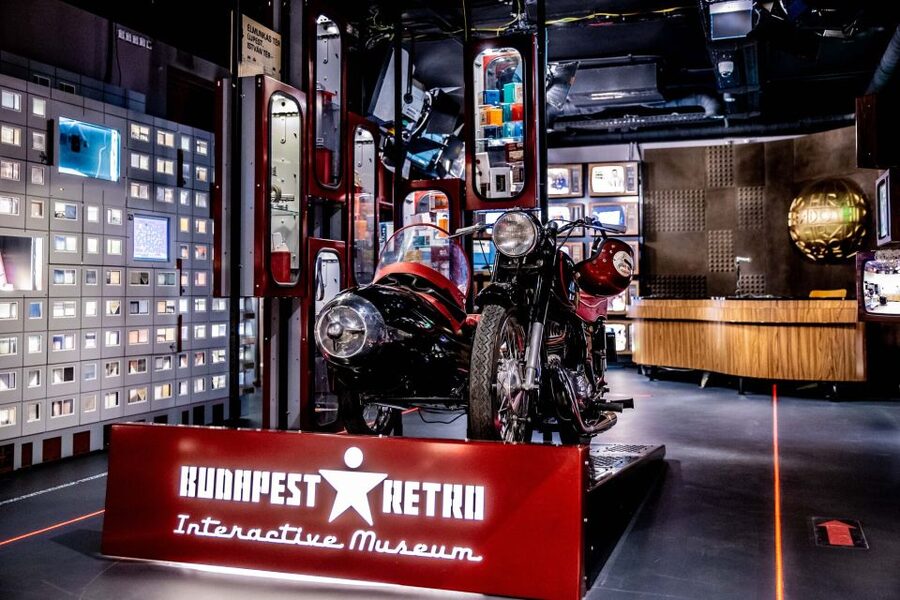
The morning option continues to the Budapest Retro Center for a one-hour guided visit. This is the better choice if you want to understand how people lived during the 1960s through the 1980s without spending the whole day in a grim setting.
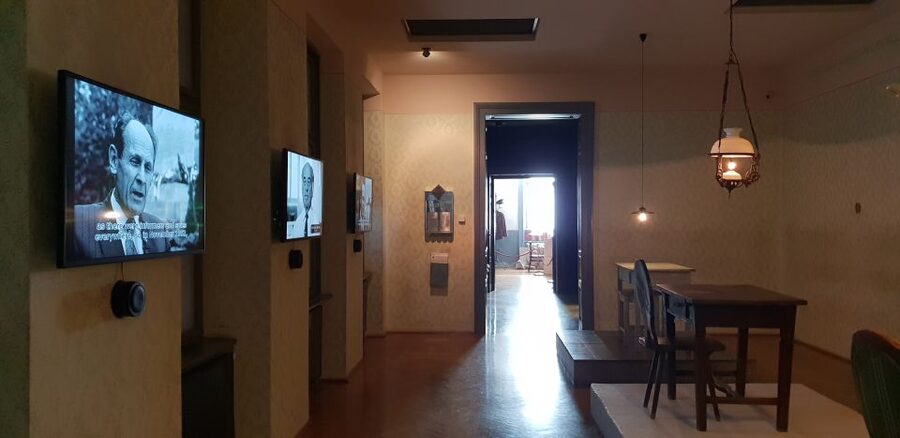
The collection covers three floors and uses street scenes, period vehicles, household interiors, Soviet-Hungarian space-flight material, and thousands of objects. The appeal comes from the ordinary details. You might see the kinds of furniture, appliances, signs, and personal items that shaped daily life under the regime. These objects can say more about routine than a political slogan does.
The museum also has an interactive side. You can dress as a Communist-era comrade or try presenting a television news report from the period. That playful element may sound odd after a serious walking tour, but it gives the visit some breathing room. It also helps younger visitors connect with a time they never experienced.
I would choose the Retro Center if you are interested in social history and everyday life. It is a good fit for families, visitors with a casual interest in the Cold War, and anyone who wants to see what people ate, drove, watched, and kept in their homes.
The tradeoff is depth. The Retro Center offers atmosphere and objects more than a full political analysis. If you want interrogation rooms, political trials, deportations, and the terror apparatus itself, choose the House of Terror option instead.
The House of Terror: a serious and difficult museum visit
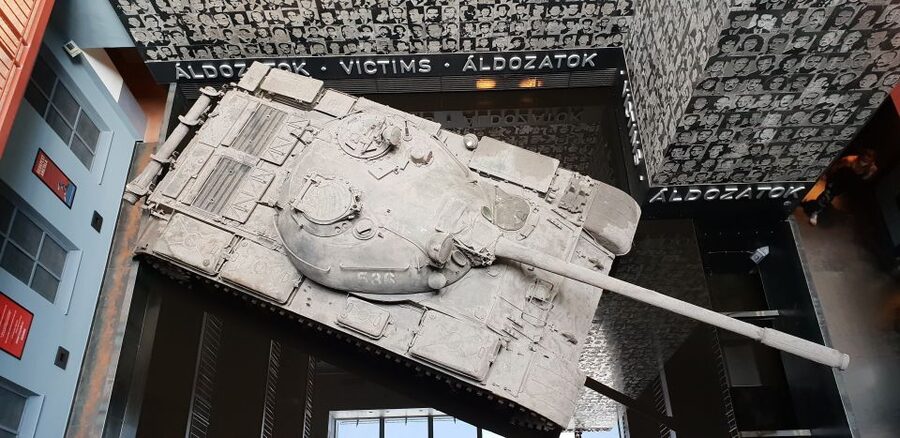
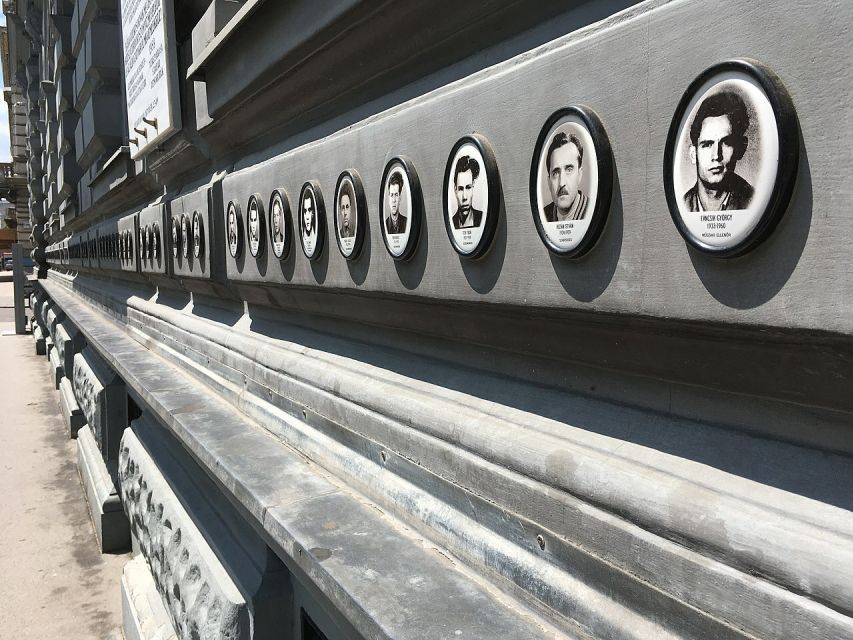
The afternoon option adds entry to the House of Terror Museum, housed in the former headquarters of the AVO State Protection Police. The AVO was Hungary’s version of the Soviet KGB, and the building itself was used in the machinery of repression.
The museum covers the period from World War II through Nazi rule, Soviet occupation, and the Communist dictatorship of the 1940s and 1950s. It also follows the 1956 revolution and the path toward 1989. Inside, you encounter displays about life and the economy of the 1950s, political trials, mass deportations, labor camps, interrogation, and torture.
This is a museum to approach with care. Its subject matter is disturbing, and the former prison areas make the material feel close and physical. You should not expect a cheerful sightseeing stop or a quick collection of old photographs. The House of Terror asks you to confront what happened to people who resisted, or who were simply accused of resistance.
You can choose an option with a guided visit inside the museum, or select the afternoon walk with an additional museum ticket and visit the House of Terror on your own. The guided choice is the stronger pick if you want help sorting out the political story and the exhibits. Guides such as Alexandra, Flora, Noémi, and Kati have been praised for explaining the displays clearly and responding to difficult questions with care.
A guide is particularly useful here because the museum moves across several periods and political systems. It is easy to lose the thread between Nazi rule, postwar power struggles, Soviet control, and the 1956 revolt. A strong guide helps you see how one system prepared the ground for the next, while still making clear that these were distinct forms of dictatorship.
One practical warning: the tour provider is independent of the museum. Your guide brings or gives you the ticket, so do not wait at the museum ticket office looking for it. The experience can also be affected by museum closures or renovations. In one case, Alexandra adapted the visit when the House of Terror was closed for renovations, but you should still check current conditions before booking.
More history tours in Budapest:
- Budapest: Historic Cruise with Welcome Drink
★ 4.7 · 6,512 reviews - Budapest Historical Sightseeing – Free Walking Tour
★ 5.0 · 1,302 reviews - Buda Castle District Dark History, Legends and Vampire Night Tour
★ 4.5 · 1,240 reviews - BloodThirsty Hungary: Walking tour & Dark Historical Stories
★ 4.9 · 633 reviews
Why the guides make such a difference
The subject is too complicated for a guide who simply recites dates. The strongest part of this experience is the human explanation.
Alexandra is praised for clear, expressive presentations and for handling detailed questions. Flora is described as patient and flexible, with a good sense of how much background each person needs. Bea has shared personal insight into growing up under Communism, while Veronika has explained the era from direct experience.
Noémi has been especially effective at giving visitors extra context inside the museum, and Kati has connected Hungarian history with American involvement and support. Other guides, including Naomi, Beata, Et, Catelin, Manual, and Adam, have been singled out for enthusiasm, local perspective, and strong command of the subject.
The format also allows for unusual flexibility. One private-feeling departure had only two people, while another group included both an English-speaking visitor and a Hungarian-speaking family member. Alexandra handled both languages in that case. You cannot count on a bilingual tour, but the example shows why a small group can be useful.
The tour is conducted in English. Several guides have been praised for speaking clearly, and the small group makes it easier to stop and ask for an explanation. If you have mobility concerns, note that this is a walking experience. One guide thoughtfully waited for people using walking aids, but the pace and route may still be tiring if you are unwell or cannot keep up.
Is $58 a fair price?
At $58 per person, this is not the cheapest way to see a Budapest museum. The price is easier to justify when you use the guide well.
You are paying for a small-group history walk, a professional English-speaking guide, and entry to one of two museums, depending on your selection. The walking route links several sites that would otherwise be easy to pass without understanding. You also gain time for questions, which is often the difference between recognizing a monument and understanding it.
The value is strongest for the House of Terror option. A museum ticket alone gives you access to the building and exhibits, but the political history can be hard to organize on your own. The guide can point out what matters, explain the timeline, and connect the museum to the places you saw outside.
The Retro Center option offers a different kind of value. It is less intense and more playful, but it gives you a clearer picture of ordinary life during late Communism. If you are traveling with children or with someone who does not want a museum focused on torture and political violence, this may be the more satisfying choice.
Because the tour lasts two hours, it fits neatly into a Budapest sightseeing day. The walk is concentrated in central areas, but the exact meeting point depends on the option you book. Leave enough time to find the starting location, and check whether your selected museum follows directly after the walk or requires a separate transfer.
Who should take this tour?
I would recommend it most strongly to visitors who want to understand modern Hungary, not just photograph its grand buildings. It is also a good match for Cold War enthusiasts, history students, teachers, and people tracing Hungarian family roots.
The tour works especially well early in your stay. The guide can give you context for political debates, monuments, museums, and older parts of the city that you encounter later. It also offers a more personal way to learn about Hungary than a general sightseeing bus.
For a first visit focused only on architecture, food, and classic landmarks, the subject may feel too heavy. The House of Terror option is not designed for a carefree afternoon. I would choose it when you have the attention and emotional energy to think about what you are seeing.
If you want a gentler introduction, book the morning walk and Retro Center. If you want the strongest account of repression and resistance, choose the House of Terror option and take the guided museum visit if available.
Should you book the Budapest Communist History Tour?
Book this tour if you want context, local explanation, and difficult history presented clearly. Its best features are the compact central route, small groups, thoughtful guides, and choice between daily-life exhibits and a more confronting museum.
Choose the Retro Center for a lighter, object-filled look at the 1960s to 1980s. Choose House of Terror for the political story, prison spaces, and a serious account of Hungary under dictatorship. At $58, the tour earns its price when you ask questions and use the guide to connect the street sights with the museum.
I would skip it only if you prefer purely light sightseeing or have limited tolerance for painful subject matter. For everyone else, it offers a clear way to understand the forces that shaped Budapest long after the Soviet period ended.
FAQ
How long does the Communist History Tour last?
The tour lasts two hours. Check the available start times when booking, since morning and afternoon options are offered.
What language is the tour conducted in?
The live tour guide speaks English.
How large is the group?
The group is limited to 10 participants. Some departures may have fewer people.
Which museums can I visit?
You can choose the Budapest Retro Center or the House of Terror Museum, depending on the option selected.
Is museum entry included?
Yes. Entry to the Budapest Retro Center or House of Terror Museum is included with the relevant option. The professional guide and Communist-themed walking tour are also included when that option is selected.
Can I cancel the booking?
You can cancel up to 24 hours in advance for a full refund. A reserve-now, pay-later option is also available.
Just added around Budapest
- Budapest: Danube River Views Bike Ride★ 4.8 · 23 reviews
- Budapest: City Bike Tour with Coffee Stop★ 5.0 · 37 reviews
- Budapest: Private Walking Tour with a Local Guide★ 3.6 · 6 reviews
- Budapest: Vacation Photographer to collect great memories★ 5.0 · 49 reviews
- Walk to recent and aged spiritual sanctuaries near Budapest★ 5.0 · 5 reviews
- From Budapest: Guided Tour of Eger with Wine Tasting★ 4.5 · 6 reviews
- Audio visual multi-sensory chefs journey dinner experience★ 5.0 · 3 reviews
- Budapest: 3-Hour Trabant Sightseeing Tour★ 4.7 · 28 reviews
Budapest Communist History Tours, compared.

3-Hour Walking Tour About Communism (Small Group)
Read our review →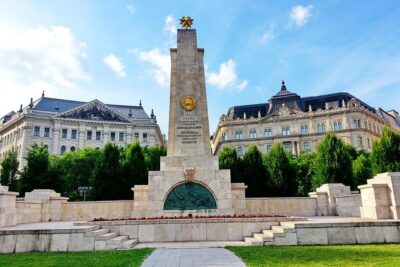
Lives of Hungarians Under Communist and Capitalist system
Read our review →
Private Budapest Hammer & Sickle Communist Times Tour
Read our review →

Browse the lists this tour appears in