
Reviewed · BUDAPEST COMMUNIST HISTORY TOURS
Memento Park: Official Guided Tour with Entry Ticket
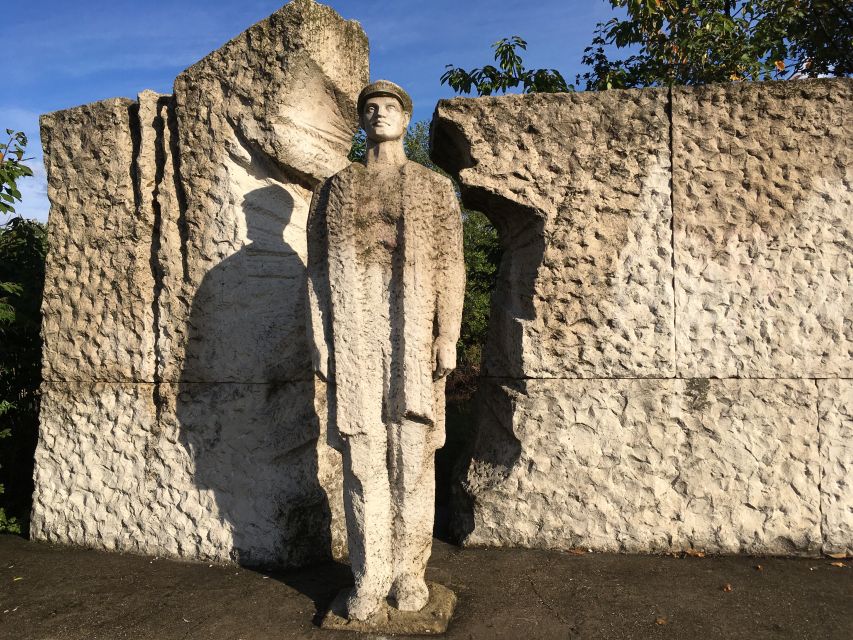
Memento Park is where Budapest sent its unwanted communist monuments after the political system changed. The result is a striking outdoor museum filled with bronze giants, stern workers, Soviet symbols, and statues that once dominated public squares. Stalin’s Grandstand gives the visit its sharpest edge, with hidden rooms and a balcony once meant for political ceremony.
I like the way the guide explains the propaganda instead of leaving you to stare at oversized statues without context. I also like the human side of the tour, including stories about daily life behind the Iron Curtain and the chance to pose beside an original Trabant car.
The drawback is location. Memento Park sits outside central Budapest, and public transport takes about 40 minutes. The paths are gravel, the tour runs in rain or shine, and the subject is history-heavy. If you prefer a quick photo stop, the guided format may feel slow.
Key points to know before you go
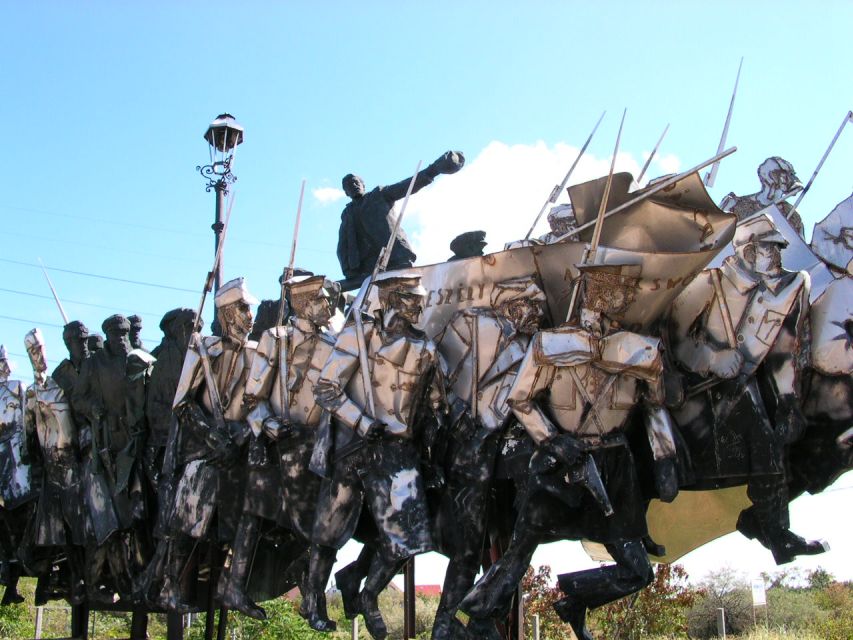
- Stalin’s Grandstand reveals the political theater behind the statues, including its hidden rooms and the Waving Balcony.
- The roughly 70-minute guided walk adds essential context, especially for understanding symbols that are easy to miss on your own.
- A Trabant provides a wonderfully odd photo opportunity, linking the park’s political story with everyday life in communist-era Hungary.
- The park is outside central Budapest, so allow about 40 minutes to reach it by public transport, plus time for the visit.
- The tour costs about $28 per person, including entry and the English-language guide, but not transport, food, drinks, or tips.
- Gravel promenades and outdoor conditions matter, so wear comfortable shoes and bring sun protection and weather-appropriate clothing.
Why Memento Park matters
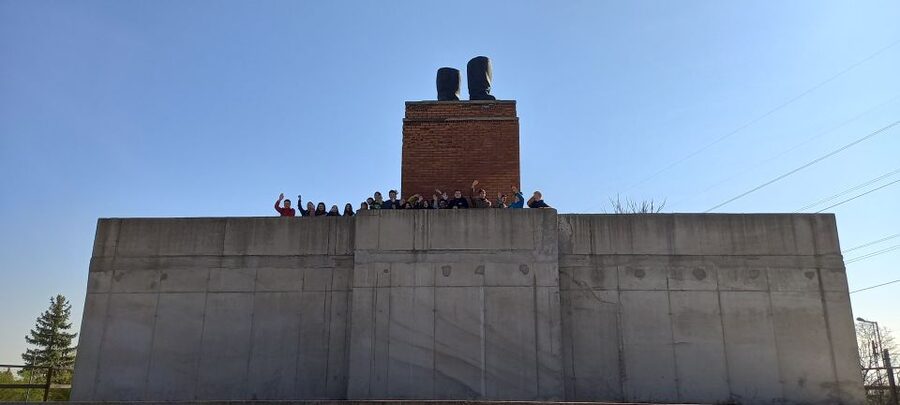
Budapest has plenty of grand buildings and polished squares, but Memento Park offers something less comfortable. It gathers the statues that once filled public spaces under Hungary’s communist government and places them together outside the city.
That change of setting matters. A statue that once directed public emotion from a central square now sits among other discarded monuments. You can look at the designs more calmly and ask what they were trying to make people feel: pride, obedience, loyalty, sacrifice, or fear.
The guide helps you read those messages. Workers are shown as strong and united. Political figures appear larger than ordinary people. Events from the workers’ movement are presented as heroic milestones. The tour is not simply a parade of bronze figures. It explains how public art became a tool of government.
I find that especially useful if your knowledge of Hungarian communist history is limited. You do not need to arrive with a detailed timeline. The guide connects the statues to the broader experience of living behind the Iron Curtain, including the gap between official messages and ordinary life.
More communist-era tours in Budapest:
- Budapest: Communist History Tour with House of Terror Option
★ 4.8 · 182 reviews - Communism in Hungary with a Historian
★ 5.0 · 70 reviews - Budapest: 3-Hour Walking Tour About Communism (Small Group)
★ 4.7 · 70 reviews
Starting at Witness Square
You meet at the Memento Park cash desk, where you present your voucher before joining the group. Arrive 15 minutes early. That small buffer is worthwhile because the tour begins outside the main statue collection at Witness Square.
Witness Square serves as the entrance area and sets the tone before you reach the bronze figures. Here, the focus is on the memory of the political system and the way its symbols were displayed.
The walk then moves through the outside unit of the museum. This opening section gives the tour a useful structure. Instead of beginning with isolated statues, you first see the setting in which communist authority presented itself to the public.
The English-speaking guide leads the walk and invites questions. Ildi is specifically praised in the available tour information for an engaging, thoughtful approach, and she may lead your departure. Guide assignments can vary, so book this for the subject and format rather than expecting one particular person.
Stalin’s Grandstand and the Waving Balcony
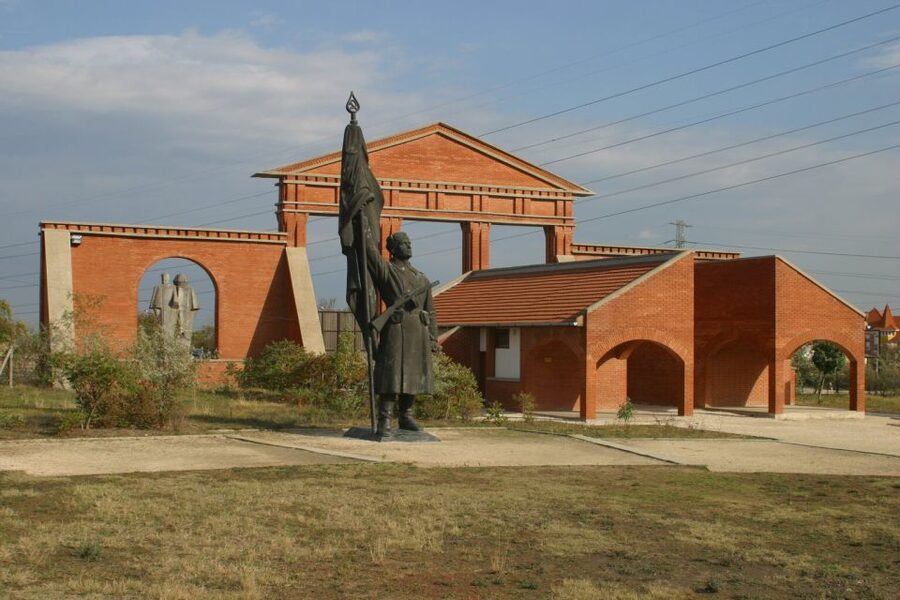
Stalin’s Grandstand is one of the park’s most memorable features. It recalls the kind of platform used for political ceremonies, parades, and official appearances. The structure is more than a dramatic backdrop. It helps you picture how leaders watched public displays while presenting an image of unity and control.
The hidden rooms add a less polished side to the story. From the ceremonial exterior, you move toward the practical spaces concealed inside. That contrast is the point: political theater above, functional and restricted areas below or behind it.
The Waving Balcony offers a view toward the surrounding area and a historic site described as a local highlight. The outlook also helps you understand the park’s position away from the center of Budapest. You are not standing in the middle of the city’s daily rhythm. You are looking back at it from a place built to preserve a difficult political memory.
This is a good section for questions. Ask about how the grandstand was used, why it was preserved, and how public ceremonies shaped daily expectations. The tour is interactive, so you are not limited to listening while the guide recites dates.
The bronze giants in Statue Park
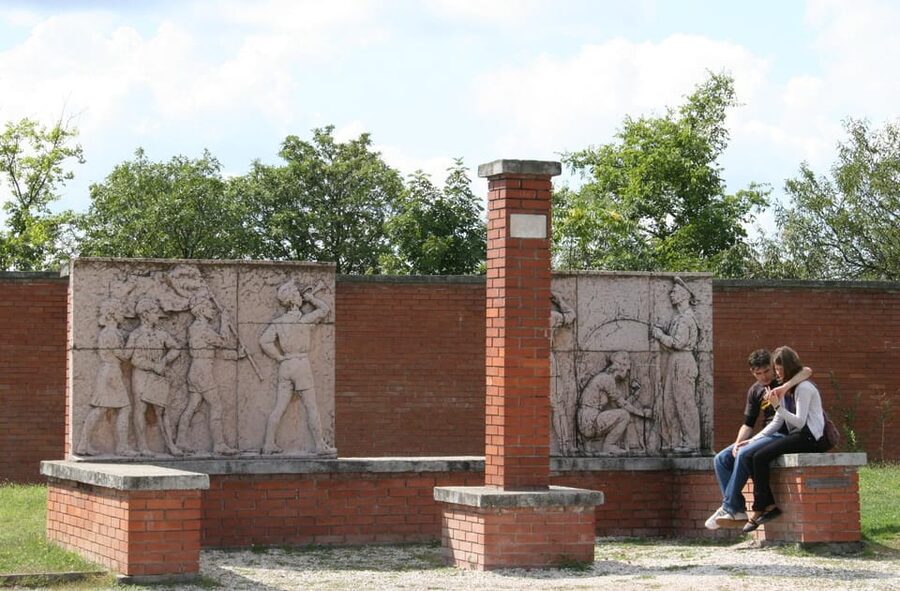
The main collection is Statue Park, where the unwanted monuments of the communist period were brought together. You walk among figures representing workers, Hungarian and international communist personalities, and key events linked to the workers’ movement.
The scale can be startling. These are not small plaques or modest memorials. They were built to dominate public space, and their size still affects you even after they have been removed from their original locations.
Look for body language and composition as much as faces. A raised arm, a forward stride, a group arranged in formation, or a figure made larger than the rest can tell you how the monument wanted you to think. The guide’s job is to turn those visual clues into political meaning.
This is where the tour earns its price. Admission alone gives you access to the collection, but many of the statues need explanation. Without context, you may notice that they look severe or grand without understanding the message they carried. With a guide, the sculptures become evidence of a system that used public art to shape memory.
The tour also avoids treating the period as a collection of abstract political ideas. It connects the monuments to people. You hear about daily life under dictatorship and the ways official propaganda affected Hungarian citizens. That human focus keeps the visit from becoming a dry lecture.
A handful more Budapest trips to weigh up
- Budapest: Széchenyi Spa Day Ticket with Optional Upgrades
★ 4.3 · 23,911 reviews - Budapest: Parliament Building Entry Ticket and Audio Guide
★ 4.5 · 3,844 reviews - Budapest: Full-Day Gellért Spa Ticket
★ 4.2 · 3,340 reviews - Budapest: Cinema Mystica Entry Ticket
★ 4.3 · 3,103 reviews
From political symbols to everyday life
The strongest part of the experience is the movement from government imagery to ordinary routines. A statue can tell you what the state wanted people to believe. Stories about daily life show how that message met reality.
The tour is particularly useful for visitors who have seen Cold War monuments elsewhere but want a clearer sense of how ideology affected the street, the workplace, and public behavior. The guide explains the system through its symbols, then places those symbols in a lived setting.
That approach also gives the park some emotional balance. You can recognize the absurdity of oversized political statues without reducing the period to a joke. The propaganda may look strange today, but it once had a serious purpose. It was meant to make power visible and unquestionable.
The tone can include humor, especially around the visual language of the statues and the old films shown later in the visit. Still, expect a history-focused experience rather than a light sightseeing stop.
Finishing at the End Wall
The guided walk finishes at the End Wall. This creates a clear closing point for the formal tour and gives you a moment to consider what you have seen before exploring on your own.
The advertised guided experience takes about 70 minutes, while the schedule information also lists a longer overall program with separate time for additional activities. Plan with flexibility rather than treating the tour as a quick 30-minute stop. The exact pace may depend on questions, group size, and how much time is spent at each section.
After the guide leaves, you can take photographs, browse the souvenir shop, watch the film program, and visit the exhibitions in The Most Cheerful Barrack. These extras are not just filler. They help you see how the museum presents the period through objects, images, and popular culture.
The old spy recruitment films are especially worth your time if they are being shown during your visit. Their serious purpose can now appear unintentionally funny, which offers a useful reminder of how propaganda can age. Let the films run for a while rather than judging them from a quick glance.
The Trabant photo stop
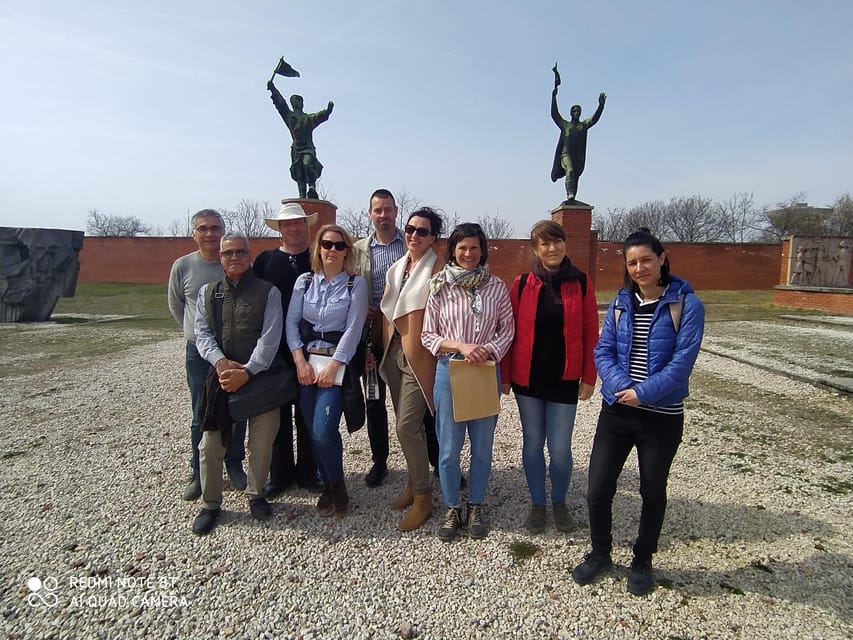
The original Trabant is a small but memorable detail. This boxy car became associated with everyday life in the communist bloc, and posing beside one gives the visit a personal, visual touch.
The car is not the reason to travel across Budapest, but it helps connect the park’s grand monuments to ordinary material life. Political leaders and workers’ statues represent the official world. The Trabant recalls the practical, sometimes modest world in which people actually lived.
Bring a camera. Photography is one of the best ways to enjoy the park after the formal explanation ends, especially because the statues have unusual scale and shapes. The outdoor setting also gives you room to step back and frame the monuments without rushing.
Is the $28 price fair?
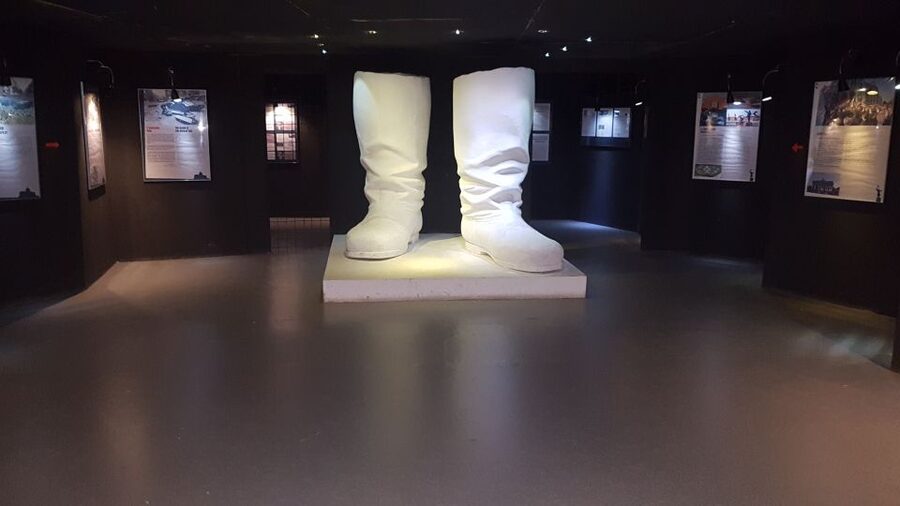
At about $28 per person, the tour is reasonably priced if you want interpretation as well as admission. Your fee covers entry to Memento Park and the guided tour in English. Transportation, food, drinks, and gratuities are extra.
The value depends on your museum habits. If you enjoy reading plaques and making sense of symbols alone, you may prefer a self-guided visit. If you want to understand why the statues were made, what they communicated, and how they fit into Hungarian life under communism, the guide makes the admission more useful.
The price also buys structure. You begin with Witness Square, continue through Stalin’s Grandstand, walk into Statue Park, and finish at the End Wall. You are less likely to miss the hidden rooms or treat the collection as a random group of sculptures.
Food is not included, despite the schedule noting a separate food-tasting portion. Bring your own plan for snacks and drinks rather than counting on refreshments being part of the ticket.
Getting there and preparing well
Memento Park is in the outskirts of Budapest. Public transport takes about 40 minutes, so add the journey to your sightseeing plan. A taxi is another option if you value convenience, but transportation is not included in the tour price.
Arrive at the cash desk 15 minutes before the activity begins. Have your voucher ready for the guide. The tour offers skip-the-ticket-line entry, which can make arrival easier, but you still need to check in at the desk.
The promenades are covered with gravel. Wear shoes that are comfortable on uneven ground, especially if you plan to stay for the exhibitions and films after the guided walk.
The tour runs in rain or shine. Bring sunscreen on bright days, dress for the forecast, and carry weather-appropriate layers. Much of the experience takes place outdoors, so conditions can affect your comfort even when they do not cancel the program.
The activity is wheelchair accessible, but gravel may still be a practical consideration. Children under 10 are not permitted, and the serious historical subject makes the tour a better fit for older children and adults.
Who will enjoy this tour most?
I would choose this tour if you are interested in political history, public art, the Cold War, or the way governments use symbols. It is also a good choice if you want to understand Budapest beyond its most famous central sights.
The guided format suits you if you want explanations in clear English and welcome questions. It is particularly useful for first-time visitors to Hungary who do not yet know the difference between political figures, workers’ imagery, and historical events represented in the collection.
You may want to skip the guide if your goal is only to photograph the statues. The walk is history-heavy, and the guide asks you to spend time interpreting the monuments. That is its strength, but it is not the fastest way to see the park.
I would also avoid squeezing Memento Park into a tight Budapest schedule. The ride out, roughly 70-minute walk, and optional exhibits require a proper block of time. The location makes sense as a dedicated outing, not a quick detour between central attractions.
Should you book Memento Park’s guided tour?
Book it if you want the statues to make sense rather than simply look strange. The tour adds political context, personal stories about life under communism, and a closer look at Stalin’s Grandstand that you could easily miss alone.
The best reasons to go are the guide’s interpretation, the hidden rooms, the powerful scale of Statue Park, and the odd pleasure of photographing an original Trabant. The main cost is time spent getting to the outskirts, plus the need to walk on gravel in outdoor conditions.
At $28, I consider it good value for history-minded visitors who have at least half a day to spare. If you are curious about Budapest’s communist past and willing to leave the city center, reserve it. If you want a fast, central attraction with little explanation, choose another stop.
FAQ
Where does the Memento Park tour begin?
The tour begins at Memento Park. Meet at the cash desk and present your voucher to the guide before joining the group at Witness Square.
How early should I arrive?
Arrive at the cash desk 15 minutes before the activity starts.
How long does the guided tour take?
The guided walk takes about 70 minutes. The schedule information also lists additional time for the wider program, so allow longer if you plan to see the films, exhibitions, or shop.
Is transportation included?
No. Transportation to and from Memento Park is not included. Public transport from Budapest takes about 40 minutes.
What language is the tour offered in?
The live guided tour is offered in English.
Is the tour wheelchair accessible?
Yes, the activity is wheelchair accessible. The park’s promenades are covered with gravel, which may affect how comfortable the route is for some visitors.
Does the ticket include food or drinks?
No. Food and drinks are not included. Gratuities are also not included.
Can children join the tour?
Children under 10 years old are not permitted to take part.
What should I bring?
Bring comfortable shoes, a camera, sunscreen, and clothing suited to the weather. The tour operates in rain or shine.
Just added around Budapest
- Budapest: Danube River Views Bike Ride★ 4.8 · 23 reviews
- Budapest: City Bike Tour with Coffee Stop★ 5.0 · 37 reviews
- Budapest: Private Walking Tour with a Local Guide★ 3.6 · 6 reviews
- Budapest: Vacation Photographer to collect great memories★ 5.0 · 49 reviews
- Walk to recent and aged spiritual sanctuaries near Budapest★ 5.0 · 5 reviews
- From Budapest: Guided Tour of Eger with Wine Tasting★ 4.5 · 6 reviews
- Audio visual multi-sensory chefs journey dinner experience★ 5.0 · 3 reviews
- Budapest: 3-Hour Trabant Sightseeing Tour★ 4.7 · 28 reviews
Budapest Communist History Tours, compared.
Communist History Tour with House of Terror Option
Read our review →
3-Hour Walking Tour About Communism (Small Group)
Read our review →
Lives of Hungarians Under Communist and Capitalist system
Read our review →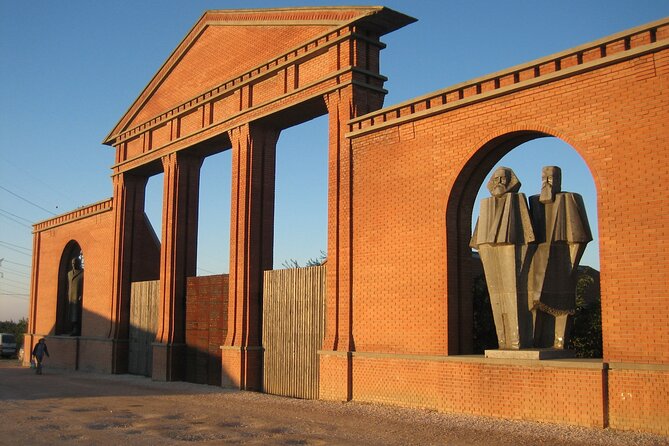
Private Budapest Hammer & Sickle Communist Times Tour
Read our review →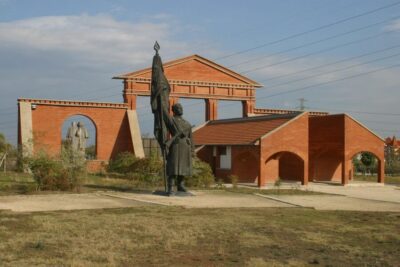
Browse the lists this tour appears in