
Reviewed · BUDAPEST JEWISH QUARTER TOURS
Budapest Jewish Cuisine & Culture Walk
Budapest’s old Jewish quarter is not just a string of synagogues. It is a place where medieval streets, wartime memorials, Jewish food, ruin pubs, and modern street art sit close together. This four-hour walk brings those layers together, with stops for flodni, túrós táska, goose crackling, sausage, soup, and cholent.
I like two things in particular. First, the guides, including Anna, Orsi, Eszter, Andrew, Daniel, Dora, and Elza, are praised for making the history personal and easy to follow. Second, the tour gives you a real meal, not just a few token nibbles: lunch may include goose soup, solet or cholent, brisket, wine, and a small taste of kosher pálinka.
The main caution is the price, $155 per person. It can be good value if you want a private-feeling food and history experience, but the exact food selection changes, and the entrance fee to the Dohány Great Synagogue is not included.
Key points at a glance
- The Seventh District tells two stories at once: You will see a fashionable food and nightlife quarter while learning how the same area became Budapest’s Jewish ghetto during World War II.
- Food is part of the history: Pastries, goose, bean stew, wine, and pálinka give you a useful taste of Hungarian Jewish traditions.
- The group is kept small: The advertised maximum is eight people, with some departures turning into very personal tours for only two or three.
- Dohány Synagogue is viewed from outside: A synagogue entrance fee is included, but admission to the Dohány Great Synagogue itself costs extra.
- The tour often runs longer in practice: Several outings lasted five or six hours when the guide added conversation, food, or extra stops.
- Come hungry, but not stuffed: The food adds up quickly, so a light breakfast is sensible.
Why the old Jewish quarter makes a strong food walk
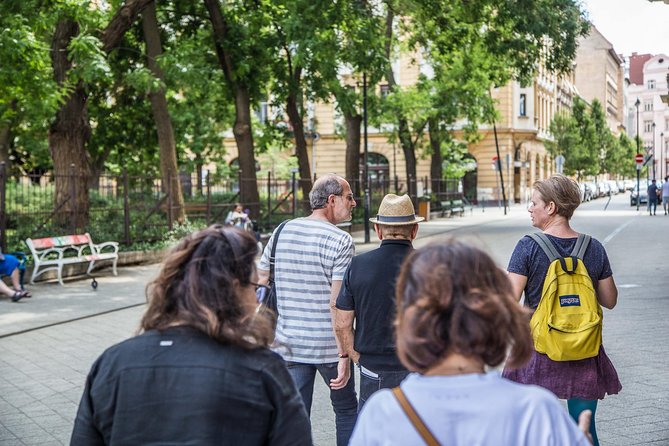
Start at Madách Imre tér at 11:00 a.m. From there, your guide leads you into the Seventh District, the heart of Budapest’s Jewish community and one of the city’s most changed neighborhoods.
This is a good place to learn how Budapest works. Neoclassical buildings and old synagogues share streets with cafés, design shops, murals, bars, and ruin pubs. The modern scene is easy to notice. The harder part is seeing the older Jewish life beneath it, and that is where a strong guide matters.
You will hear about the district’s medieval roots, its long Jewish presence, the destruction and suffering of World War II, and the survivors who helped rebuild Jewish life afterward. The history is difficult, but the walk does not treat the area as a museum frozen in tragedy. It also shows the community, food traditions, and young cultural scene that remain today.
Guides such as Anna and Orsi have been singled out for explaining not only Jewish history, but also the wider story of Budapest and Hungary. That broader context is useful. You will understand more when the guide explains how the neighborhood fits into the city around it, rather than treating Jewish Budapest as an isolated subject.
More Jewish Quarter tours in Budapest:
- Budapest Jewish Heritage Memorial Walking Tour & Synagogue Entry
★ 5.0 · 568 reviews - Budapest: Jewish Heritage Guided Tour with Synagogue Ticket
★ 4.8 · 533 reviews - Jewish Quarter of Budapest Walking Tour
★ 4.7 · 369 reviews
Synagogues and memorials in the Seventh District
One of the key sights is the Moorish-style Dohány Street Synagogue, Europe’s largest synagogue. On this experience, you admire its exterior and learn about its place in Budapest’s Jewish community.
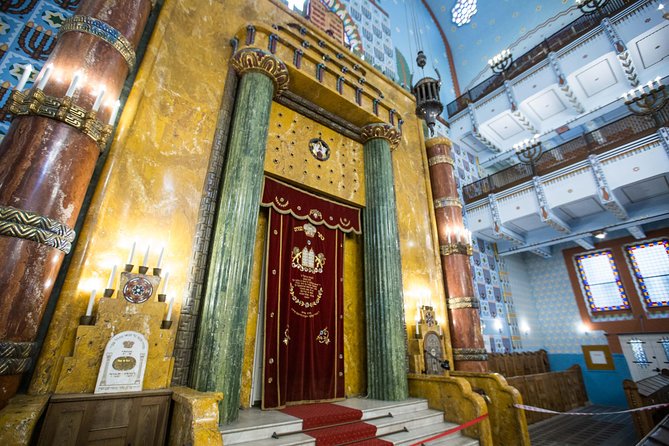
There is an important practical distinction here. The price includes an entrance fee to a synagogue, but it does not include admission to the Dohány Great Synagogue. You may see other Jewish sites and, depending on the guide and the day, an Orthodox synagogue complex or another synagogue interior. If you want to tour the Dohány building, its museum, and grounds, plan that separately and pay the additional entrance fee.
That arrangement can work well. The walking tour gives you the neighborhood’s setting and story, while a separate visit lets you spend more time inside Dohány. One guide even inspired a couple to return on another day after the walk because they wanted to see the synagogue properly.
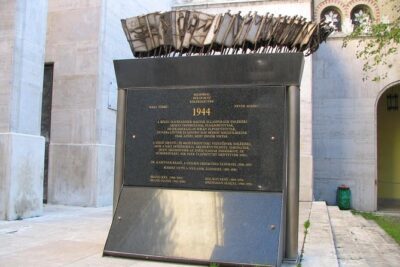
The WWII memorials add a sober counterweight to the cafés and nightlife. Your guide points out monuments honoring Jewish victims and explains how the district became a ghetto during the war. These stops are not decorative photo points. They help you understand why ordinary-looking courtyards, walls, and streets carry such weight.
Allow yourself to listen here. The food stops are enjoyable, but the memorials are the moral center of the walk.
Tasting flodni, túrós táska, and savory Hungarian Jewish food
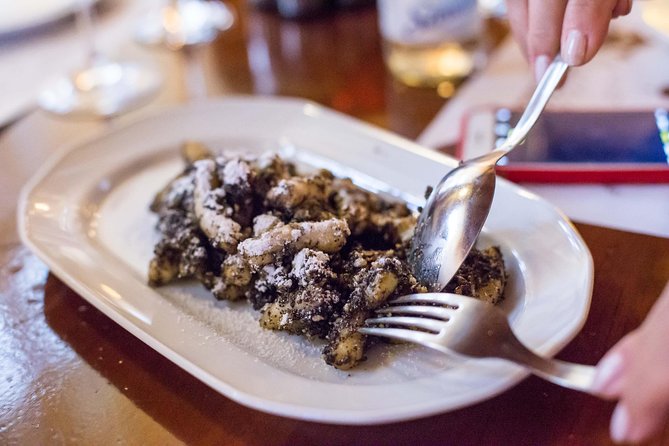
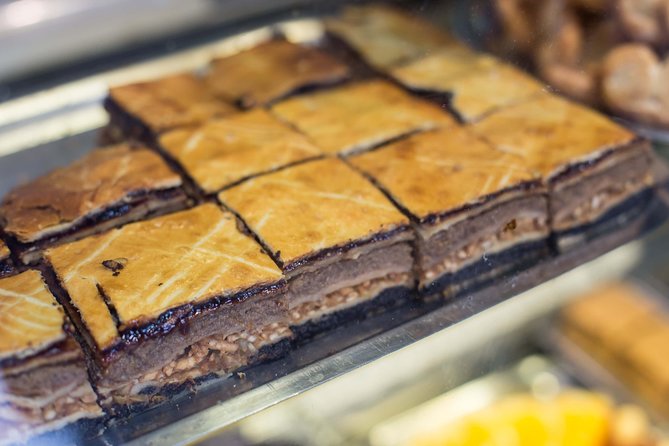
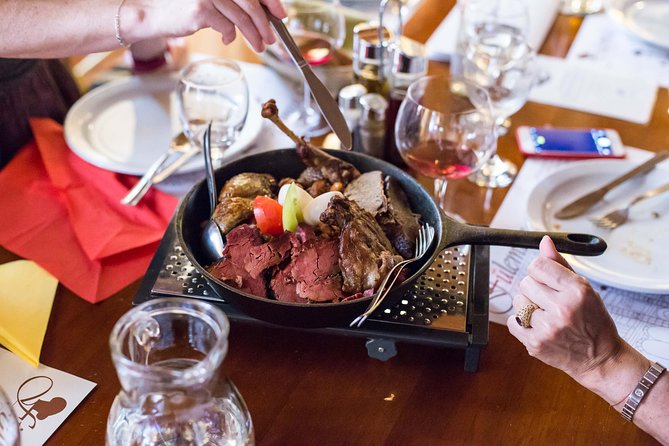
The food portion is spread across several stops rather than delivered as one formal tasting plate. You might sample túrós táska, a pastry filled with curd cheese, and flodni, a layered Jewish-Hungarian pastry. Savory tastes can include sausage and goose crackling.
The exact menu depends on the day and availability. That flexibility is worth understanding before you book. You are not buying a fixed restaurant menu with every item guaranteed. You are getting a guided introduction to foods associated with the neighborhood and Hungarian Jewish cooking.
Flodni is especially useful as a cultural taste because it links Jewish baking traditions with local ingredients and habits. Túrós táska is less solemn and more immediately snackable, the sort of pastry that makes sense with coffee during a long day of walking.
The savory samples can be more variable. One person found the snacks disappointing and felt they were not distinctly Jewish. That is a fair warning. Food preferences differ, and the tasting stops may not always match the ideal menu described in broad terms. Still, the tour includes enough food overall that one less successful snack should not define the day.
A light breakfast is wise. One outing included enough food that dinner was skipped, and another ran closer to six hours. Do not arrive after a huge hotel breakfast and expect to enjoy every sample.
Lunch with goose soup, solet, or cholent
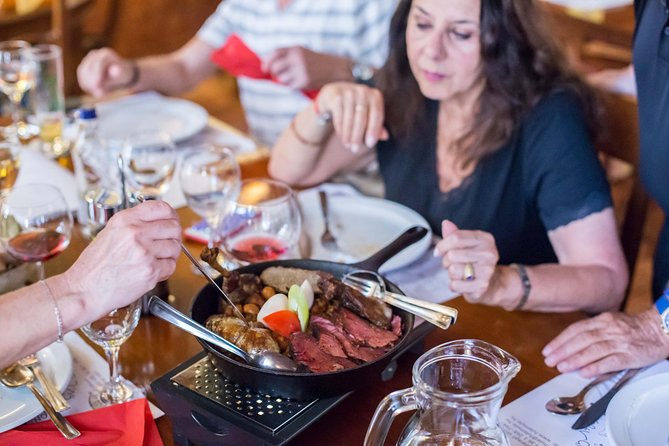
The main meal takes place at a restaurant, with dishes such as goose soup and solet, the Hungarian Jewish version of a bean stew. Some menus may include matzo ball soup, cholent, brisket, or other comforting dishes, but the exact selection can change.
This is where the $155 price begins to make more sense. You are not paying only for a walk and a few bites. You are also receiving lunch, wine, several tastings, drinks, and an English-speaking guide for a small group.
The lunch is designed to be social. You sit with your guide and companions, ask questions, and connect the food to the history already discussed. The meal is not a rushed refueling stop. It is a chance to talk about how Jewish cooking in Hungary developed and how it fits into the city today.
There is one clear qualification. One person did not care for the lunch selection, even though the guide was excellent. Menus can be personal, and no small-group food tour can guarantee that every dish will suit every palate. Tell the operator about dietary requirements when booking. The tour specifically asks for that information in advance.
If you enjoy hearty food, the meal should be one of the day’s highlights. If you prefer delicate portions or have a narrow diet, ask about the menu before committing.
More walking tours in Budapest:
- Budapest: Buda Castle Walk with Saint Stephen’s Hall
★ 4.5 · 3,012 reviews - Big Bus Budapest Hop-On Hop-Off Bus and Walking Tour
★ 3.5 · 2,206 reviews - Budapest: Buda Castle District Walking Tour
★ 4.6 · 2,108 reviews - Budapest City Landmarks Walking Tour in 2 Hours
★ 5.0 · 2,048 reviews
Wine, coffee, and kosher pálinka in a ruin pub
After lunch, the route continues with coffee and a final drink stop. You may visit a wine cellar, wine bar, or one of Budapest’s famous ruin pubs for kosher pálinka.
Pálinka is a strong fruit brandy, so this is a small tasting rather than a long drinking session. It is a fitting finish because it connects an old Hungarian drink with the district’s younger bar culture. You get a look at how the Jewish quarter has changed without pretending that the past has disappeared.
The ruin pub stop also helps explain the neighborhood’s current reputation. The streets are now full of nightlife, but the guide keeps pointing back to the people and buildings that came before. That balance is more useful than simply being taken to the trendiest bar.
Wine accompanies lunch, and the tour also includes drinks tastings. If you do not drink alcohol, tell the provider about your needs when booking, but the supplied information does not specify the available substitutes.
Street art, designer shops, and the neighborhood today
Between historical stops and food, you see street art and designer shops. These details can seem unrelated to Jewish heritage at first, but they show the district’s current life.
The contrast is the point. A memorial may be only a short walk from a lively bar. An old synagogue may sit near a fashionable shop. A building with a painful past may now host restaurants or nightlife. Your guide helps you read those contrasts instead of simply passing through them.
This part of the walk suits you if you want more than formal monuments. It also makes the tour useful for the rest of your stay. Guides have offered tips on places to eat, books to read, and other Budapest sights, and some have adjusted the route around the group’s interests.
Do not expect a polished museum tour. The quarter is an active city neighborhood, with all the unevenness that brings. That is part of its appeal, but it also means the route includes ordinary streets, changing businesses, and food stops that vary.
What the small group adds
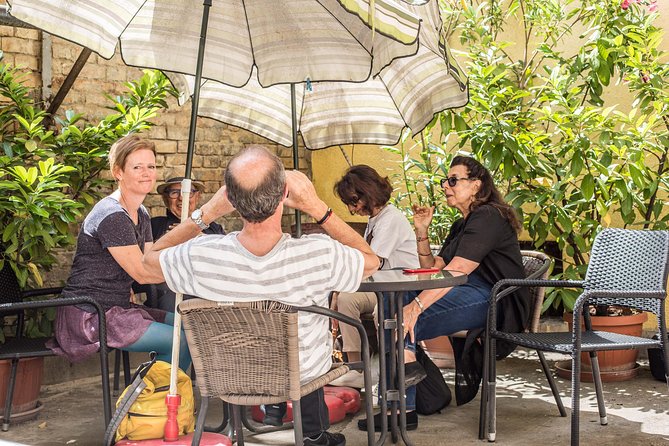
The experience is described as a small-group tour limited to six people, while the additional details give a maximum of eight. In practice, some departures have had only two people, while others included a few more.
That matters at this price. With a large group, a food walk can become a queue with a lecture. Here, you have a better chance to ask about family traditions, architecture, Hungarian history, or the meaning of a memorial.
Several guides have received strong praise for being warm, organized, fluent in English, and willing to spend extra time. Anna is repeatedly described as easygoing and informed. Eszter is praised for being friendly and professional. Andrew and Daniel are noted for clear explanations and well-planned routes, while Elza is remembered for adding warmth and showing parts of Budapest that are easy to miss.
You cannot choose a specific guide from the information provided, so treat those names as examples of the experience’s guide team, not a promise for your date. The quality of the day depends heavily on who leads it, but the available feedback suggests that guiding is the tour’s strongest feature.
Is $155 a fair price?
At $155 per person, this is not a budget food walk. You should compare it with what you receive: about four hours of guiding, food samples, lunch, wine, drinks tastings, a synagogue entrance fee, and a small group.
If you paid separately for lunch and several tastings, you would recover part of the cost. The larger value is the local interpretation. You are paying someone to connect pastries, memorials, synagogues, war history, street art, and present-day Budapest into one understandable morning and afternoon.
The value rises if you are new to Budapest, have a strong interest in Jewish culture, or want a guide who can shape the day around your questions. It also works well early in your visit, since the neighborhood recommendations can help with the remaining days.
The value falls if you mainly want a cheap meal, a guaranteed menu, or a full guided visit inside the Dohány Synagogue. In that case, you may prefer to visit the synagogue on your own and choose restaurants separately.
The tour is recommended by 93 percent of customers and holds a 4.8 rating from 30 reviews. Those figures suggest a strong record, but the few reservations are useful: snacks and lunch may not suit everyone, and the experience can run longer than the stated four hours.
Timing, walking, and practical details
Meet at Madách Imre tér at 11:00 a.m. The tour ends back at the meeting point. It takes place on foot in the Seventh District and is near public transportation.
Most people can participate, though you should be prepared to walk between food, memorial, synagogue, and shopping stops. The provider asks you to give dietary requirements at booking.
Minimum numbers apply. If the departure does not reach that minimum, it can be canceled after confirmation, with an alternative or full refund offered. Otherwise, the booking is non-refundable and cannot be changed for any reason, so choose your date carefully.
Sabbath timing deserves attention. One Saturday departure could not enter the main synagogue or museum because they were closed, though the guide still covered the district, historic markers, food, and other sites. If entering Dohány is important to you, schedule a separate visit for a day when it is open and remember that its admission is not included here.
Who should book this Budapest walk?
I would choose this tour if you want history with your lunch, rather than a simple restaurant crawl. It suits first-time visitors who want to get their bearings in the Seventh District, as well as people with a family, cultural, or religious interest in Hungarian Jewish life.
It is also a good fit if you like small groups and conversation. A couple or small family may get an especially personal experience, though the group can be larger and the guide is not guaranteed.
I would hesitate if you dislike hearty food, need a fixed menu, or want a strictly timed four-hour activity. The day may stretch toward five or six hours when conversation and extra stops are added. I would also budget for a separate Dohány Synagogue visit if that interior is high on your list.
Should you book the Jewish Cuisine and Culture Walk?
Yes, if you see the $155 price as payment for a local guide, a substantial meal, and a thoughtful introduction to one of Budapest’s most complicated neighborhoods. The strongest part is not any single pastry or drink. It is the way the guide links everyday food and modern city life to the Jewish community’s past and present.
Book it near the start of your Budapest stay, arrive hungry but not overfed, and leave room in your schedule. If you want the Great Synagogue interior, arrange that separately. With those expectations in place, this is a worthwhile choice for anyone who wants Budapest to feel like a lived-in city rather than a checklist of sights.
FAQ
Where does the Budapest Jewish Cuisine and Culture Walk begin?
It begins at Madách Imre tér in Budapest’s Seventh District.
What time does the tour start?
The scheduled start time is 11:00 a.m.
How long does the tour last?
The stated duration is approximately four hours. Some outings have lasted closer to five or six hours when the guide added conversation or extra stops.
What food might I taste?
Possible samples include flodni, túrós táska, sausage, and goose crackling. The exact tasting menu changes according to availability.
What is included for lunch?
Lunch may include Jewish-Hungarian dishes such as goose soup and solet, a bean stew. Some outings have included matzo ball soup, cholent, or brisket. Wine is included with lunch, but the exact dishes can vary.
Is the Dohány Great Synagogue entrance included?
No. The experience includes an entrance fee to a synagogue, but the admission fee to the Dohány Great Synagogue is not included.
How large is the group?
The experience is promoted as a small-group tour. The listed maximum is eight people, while some descriptions refer to groups of six or fewer.
Can I request dietary accommodations?
You should provide any specific dietary requirements when booking. The supplied information does not list particular replacement dishes.
What happens if the tour does not reach its minimum number?
The experience may be canceled if the minimum number is not met. You will then be offered an alternative or a full refund.
Just added around Budapest
- Budapest: Danube River Views Bike Ride★ 4.8 · 23 reviews
- Budapest: City Bike Tour with Coffee Stop★ 5.0 · 37 reviews
- Budapest: Private Walking Tour with a Local Guide★ 3.6 · 6 reviews
- Budapest: Vacation Photographer to collect great memories★ 5.0 · 49 reviews
- Walk to recent and aged spiritual sanctuaries near Budapest★ 5.0 · 5 reviews
- From Budapest: Guided Tour of Eger with Wine Tasting★ 4.5 · 6 reviews
- Audio visual multi-sensory chefs journey dinner experience★ 5.0 · 3 reviews
- Budapest: 3-Hour Trabant Sightseeing Tour★ 4.7 · 28 reviews
Budapest Jewish Quarter Tours, compared.
Budapest Jewish Heritage Memorial Walking Tour & Synagogue Entry
Read our review →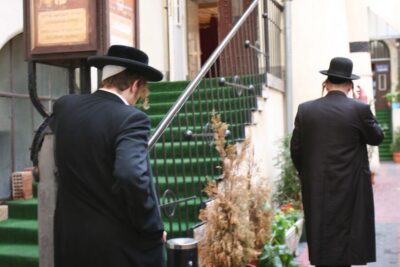
Jewish Heritage Guided Tour with Synagogue Ticket
Read our review →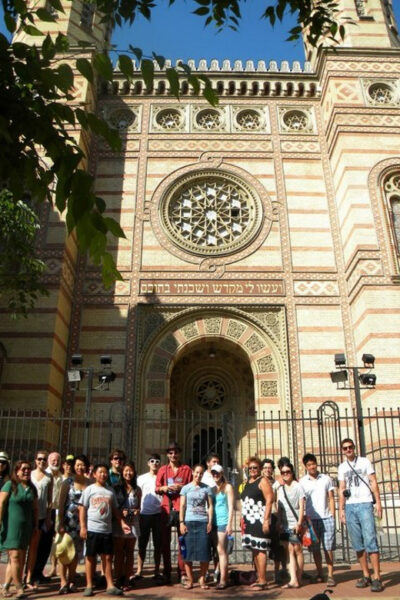
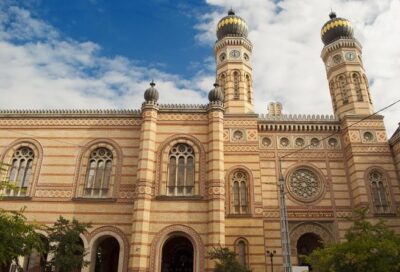
Past and Present of Budapest Jewish District Tour
Read our review →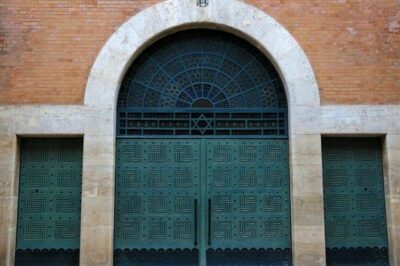
Budapest Dohany Synagogue & Hungarian Jewish Museum & free extras
Read our review →
Jewish History Guided Walking Tour with Historian
Read our review →Browse the lists this tour appears in