Reviewed · TOURS
Café Wandering: An Excursion through Budapest’s Belle Epoque
Budapest’s old cafés were more than places for coffee. They were offices, salons, newsrooms, and meeting rooms for the city’s writers, artists, and thinkers. This three-hour walk uses those elegant interiors to explain how Budapest looked and felt during the Belle Epoque, with stops at famous cafés and a final look at the art nouveau orthodox Kazinczy Street Synagogue.
I like the small group of eight and the fact that your guide is an art historian rather than a general city escort. I also like the chance to see the decor of Gerbeaud, Central Café, Astoria, and New York Palace Café while learning why Asian motifs appeared in Budapest interiors.
The main consideration is the $123 price, which does not include coffee, cake, or other refreshments. The route information also names both Urania Café and Kazinczy Street Synagogue in the description, while the listed stops include Művész Coffee House and New York Palace Café, so confirm the exact stop sequence before booking.
Key points at a glance
- Gerbeaud begins the story on Vörösmarty Square: You start in one of central Budapest’s grandest café interiors, with more than a century of social history behind it.
- An art historian leads the walk: Guides may be professors, doctoral students, historians, journalists, art critics, or published authors. Kota is one named past guide.
- The cafés reveal Budapest’s intellectual life: Central Café, Astoria, Művész, and New York Palace Café connect architecture with writers, artists, lectures, and daily life.
- Asian design details are part of the lesson: Look beyond chandeliers and marble to the Asian motifs used by Budapest designers.
- The group stays small: With no more than eight participants, it should be easier to hear the guide and ask questions.
- Food and drinks are extra: The tour pays for the guide and walking experience, not the coffee, cakes, or meals you choose along the way.
Why Budapest’s cafés tell the city’s story
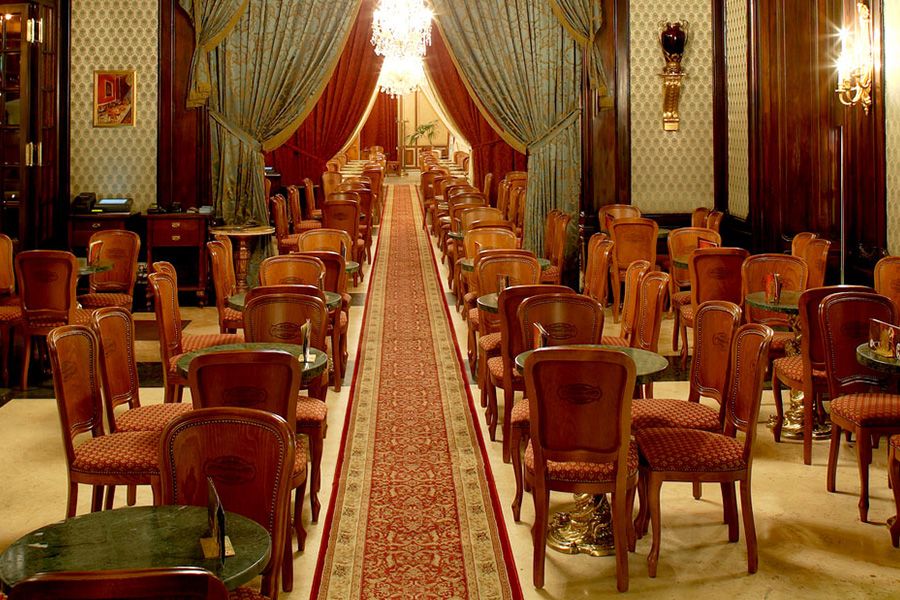
The useful idea behind this tour is that Budapest’s café culture cannot be separated from its architecture. In the late 19th and early 20th centuries, a café could serve as a meeting room for a poet, a workplace for a journalist, or a social headquarters for artists and local residents.
You are not simply moving from one pretty room to another. You are comparing different versions of public life. Gerbeaud introduces the polished world of Imperial Budapest. Central Café shows how café culture took on a formal, almost ceremonial style. Astoria evokes the grandeur of a classic European coffee house, while New York Palace Café brings the tour toward theatrical luxury.
That context makes the interiors easier to read. A gilded wall is not just decoration. A grand staircase is not only a photo opportunity. The guide helps connect these features with the people who used the cafés and with the period when Budapest was gaining cultural and economic power within the Habsburg Empire.
The attention to Asian motifs and design elements is especially useful. Many visitors notice marble, mirrors, ceiling decoration, and chandeliers first. This tour asks you to look more closely at the decorative choices, including the Asian influences that designers worked into Budapest’s café interiors.
Other Budapest days people book alongside this one:
- Budapest: City Highlights Cruise with Welcome Drink
★ 4.6 · 35,610 reviews - Budapest: Unlimited Prosecco, Beer and Aperol Spritz Cruise
★ 4.8 · 25,310 reviews - Budapest: Széchenyi Spa Day Ticket with Optional Upgrades
★ 4.3 · 23,911 reviews
Starting at Gerbeaud on Vörösmarty Square
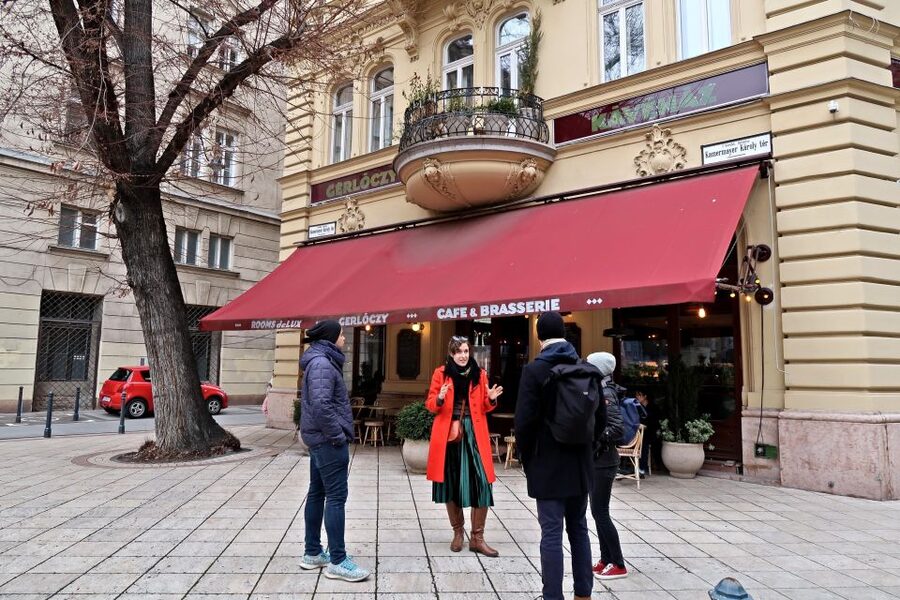
The meeting point is Café Gerbeaud at Budapest Vörösmarty tér 7-8. That puts you in the heart of central Budapest, on a square that is easy to identify and convenient for the start of a short city walk.
Gerbeaud is a fitting first stop. Its interior offers an immediate lesson in the public style of Imperial Budapest, and the café has more than 100 years of history as a social center for both local people and visitors. You can expect the guide to use the room itself as evidence, pointing out the atmosphere and design rather than giving a detached lecture about dates and names.
This is also the first point where the price needs some thought. You are free to order a coffee, cake, or another refreshment, but those purchases are not included in the $123 tour fee. If you want to sample the café culture properly, your final cost will rise.
Still, you do not need to order at every stop. The value is mainly in the guided interpretation and access to a carefully chosen set of interiors. If you already plan to visit a famous Budapest café on your own, this walk can help you understand what you are seeing instead of treating the room as a quick photo stop.
Riding to Central Café along the Danube
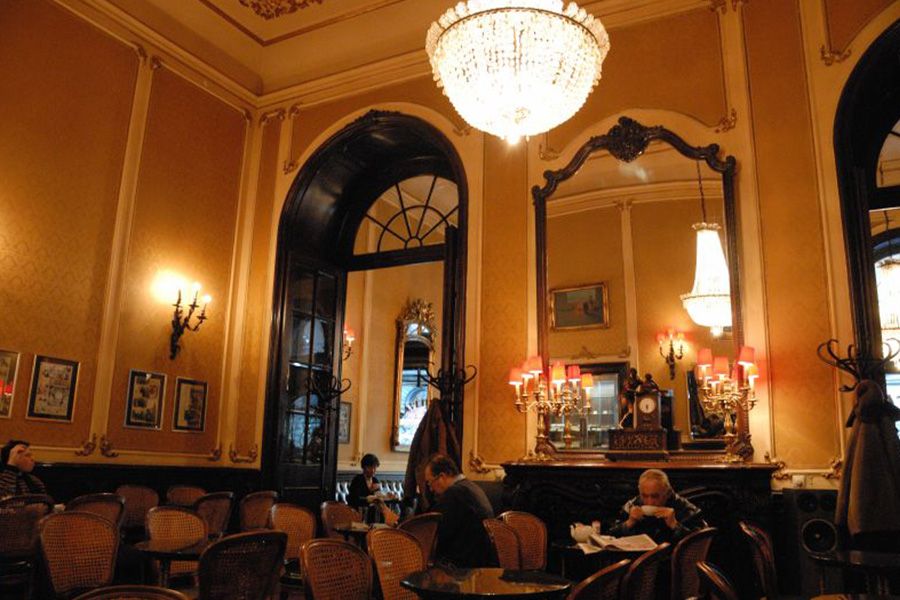
From Gerbeaud, the route uses the tram along the Danube before continuing to Central Café. The tram ride adds a small change of pace to what is otherwise a walking experience. It also places the cafés within the wider shape of Budapest rather than treating them as isolated attractions.
The route description presents Central Café as a dignified example of café house culture during the high point of the Habsburg Empire’s economic and cultural power in the 19th century. Here, the focus includes not only the room but also the complete café experience: decor, meals, desserts, and drinks.
That is an important distinction. Café culture is about more than architecture. The menu, the service, and the habit of sitting for a long time all help explain why these places mattered. You will get more from this stop if you pay attention to how the room is designed for lingering and conversation.
Because the activity is described as a guided walk, the tram portion may require a separate transport ticket unless the guide says otherwise. The supplied details do not state that tram fare is included. Ask before departure if you do not already have a valid ticket.
Astoria and the grandeur of the coffee house
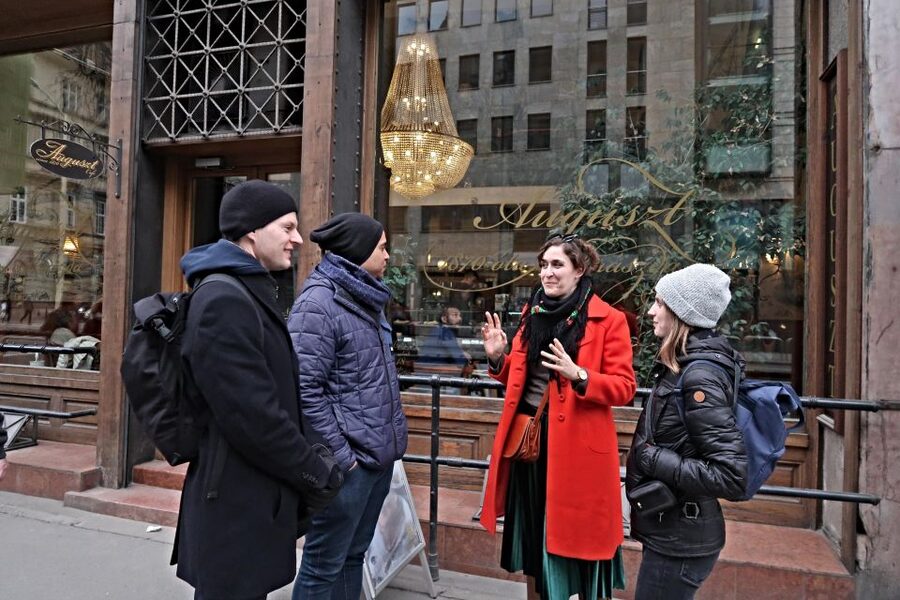
Café Astoria is described as more than a century old and lavish in appearance. It evokes the formal style associated with classic European coffee houses, making it a useful contrast with the other cafés on the route.
For you, the value here is comparison. A single café can look impressive, but several stops let you notice different ways Budapest used decoration to create mood and status. Astoria helps show how the grand café became part of the city’s public image.
The route continues on foot after this stop. Three hours is enough time for a focused introduction, but it is not enough for long meals at every café. Expect the guide to keep the group moving and to explain the most important architectural and cultural points rather than providing an unhurried café crawl.
That pace suits you if you want structure and context. It may disappoint you if your main goal is to sit for a full coffee service in each location. This is an architecture and cultural walk with café stops, not a progressive tasting tour.
Same city, a completely different sort of day:
- Budapest: Nighttime or Daytime Sightseeing Cruise
★ 4.2 · 21,062 reviews - Budapest: 1-Hour Evening Sightseeing Cruise with Drink
★ 4.5 · 8,330 reviews - Budapest Danube Cruise and Dinner Options, Live Music and Dance
★ 4.5 · 7,428 reviews - Budapest: Historic Cruise with Welcome Drink
★ 4.7 · 6,512 reviews
Urania Café and the city’s intellectual stage
The detailed route description also brings you to Urania Café on Rákóczi Street. The building houses Budapest’s oldest film theater and is known for lectures given by prominent intellectuals to large audiences.
This stop broadens the story beyond coffee. Urania connects café culture with film, public lectures, and the exchange of ideas. It shows how Budapest’s cultural life took place across several kinds of public rooms, not only in the cafés themselves.
The information provided for the experience also names Művész Coffee House, or Artist Café, among the planned visits. Művész is another stop where the artistic side of Budapest’s café life comes into focus. Since both Urania and Művész appear in the route information, you should confirm whether the final schedule includes both, as well as the exact order.
That small uncertainty matters if you are planning another activity immediately afterward. It does not change the main appeal, but a three-hour route needs a clear meeting and finishing plan, especially when several named stops appear in the description.
Művész Coffee House and the artist’s point of view
Művész Coffee House is presented as the Artist Café. The name alone signals a different part of the café story from the formal grandeur of Gerbeaud or Astoria.
Here, you can expect the guide to place more emphasis on the relationship between cafés and creative work. The tour is designed to discuss poets, artists, and writers who used cafés as part of their daily world. That makes Művész a natural place to think about the café as a workplace, not simply as an elegant venue.
The practical benefit of visiting several interiors with an art historian is that you can ask questions as you go. A general sightseeing walk might point out the most famous rooms and move on. A specialist guide should be able to discuss design choices, artistic connections, and the social role of the buildings in greater detail.
The company identifies its guides as professors, doctoral students, historians, journalists, art critics, and published authors. That is a strong match for this subject. One past tour was led by Kota, whose guidance was specifically praised as excellent, but the guide assigned to your date is not guaranteed to be the same person.
New York Palace Café and the grand finale
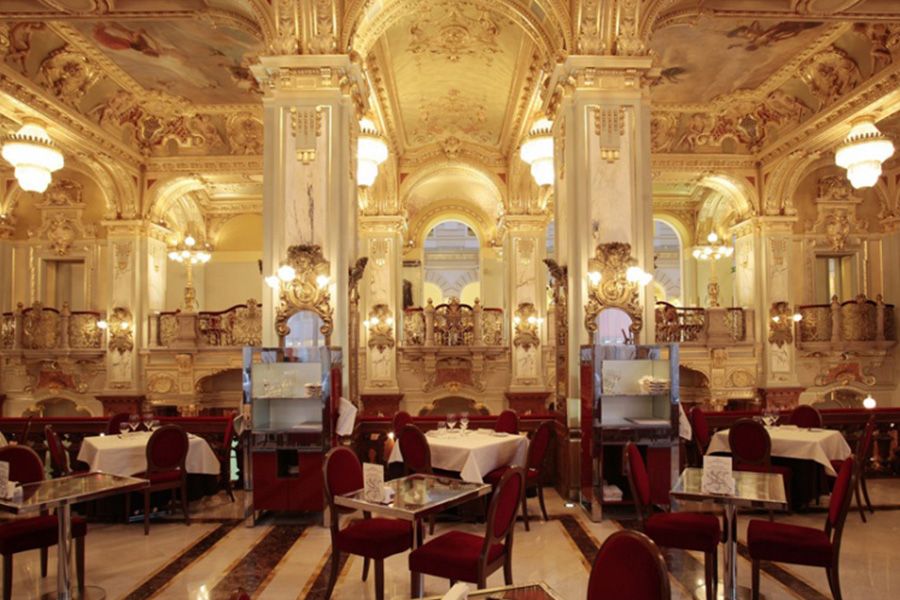
New York Palace Café is included as a guided-tour stop. It is one of Budapest’s best-known café interiors, and its lavish design gives the walk a suitably dramatic later chapter.
By this point, you will have seen how different cafés express different moods. New York Palace Café allows the guide to bring those comparisons together: scale, ornament, artistic ambition, and the desire to make an ordinary coffee break feel like a major social event.
The room can easily become the whole point of a visit, but the guide’s interpretation is what gives it greater value. Look for explanations of how decorative elements work together and how the café fits into Budapest’s Belle Epoque culture. The supplied information also emphasizes the use of Asian motifs, so keep an eye out for those details rather than concentrating only on the most obvious luxury.
If New York Palace Café is the final listed stop, the tour ends with one of the most theatrical interiors. The broader route description also says the experience concludes at the art nouveau orthodox Kazinczy Street Synagogue. Since these details do not perfectly match, ask the operator to confirm the ending location before you book.
Kazinczy Street Synagogue and the art nouveau connection
The art nouveau orthodox Kazinczy Street Synagogue is named as the concluding point in the experience description. Its inclusion adds architectural variety and prevents the tour from becoming a procession of cafés alone.
You can expect the final section to focus on the building’s art nouveau character and orthodox Jewish identity. That makes it a useful reminder that Budapest’s Belle Epoque architecture was not limited to coffee houses. The city’s religious, cultural, and commercial buildings all took part in the same period of design experimentation.
The synagogue is also a practical reason to clarify the route. The supplied schedule lists New York Palace Café as the final guided stop, while the longer description names Kazinczy Street Synagogue as the conclusion. Both may be part of the experience, but the exact arrangement is not clear from the available details.
What the $123 price really covers
At $123 per person, this is not a bargain coffee walk. The fee covers three hours with an art historian in a small group, not your food and drinks. You are paying for the guide’s interpretation, the carefully selected architecture, and the chance to connect several famous places into one coherent story.
I would consider the price reasonable for someone who values art, architecture, and cultural context. It is harder to justify if you only want to see the cafés quickly or take photographs. Many of the interiors may be visited independently, though the experience of understanding their design and social role is harder to arrange on your own.
The group limit of eight helps the value. A small group should make it easier to hear in busy interiors and to ask questions without competing with a large crowd. It also keeps the tour more personal than a standard city excursion.
Budget extra for any cakes, coffees, or refreshments you choose. You might prefer one carefully selected café purchase rather than ordering something at every stop. The tour gives you the background; you can decide how much of the café ritual fits your budget.
Who should book this experience
I would recommend this walk to anyone who enjoys architecture but wants more than a list of building names. It also suits readers, artists, students of European culture, and anyone curious about how cafés shaped public life.
The English-language format and small group are helpful if you want to ask questions. The guide pool is unusually academic in character, with professors, doctoral students, historians, journalists, art critics, and published authors listed among the possible leaders.
This is less suitable for someone who wants a relaxed afternoon spent sitting in cafés. The schedule includes several stops in three hours, and the route involves walking plus a tram ride. You should also be comfortable with the possibility that the exact stop order needs confirmation.
The tour may work particularly well early in your Budapest stay. Afterward, you can return to the café that interested you most and spend more time there on your own, now knowing what details to look for.
Booking details worth knowing
The activity lasts three hours and is conducted in English. It is limited to eight participants, and departure times vary, so you need to check availability for your date.
You can cancel up to 24 hours in advance for a full refund. The reserve-now, pay-later option lets you hold a place without paying immediately, which is useful if your Budapest schedule is still changing.
The meeting point is Café Gerbeaud, Budapest Vörösmarty tér 7-8, 1051. Since the route uses several central locations, wear comfortable shoes and leave some flexibility around the finish. The supplied details do not state whether tram tickets or any entrance charges are included, so ask the operator before setting out.
Should you book Café Wandering?
Book it if you want Budapest’s cafés explained as cultural institutions, not just photographed as ornate rooms. The strongest reasons are the small group, the art historian guide, the range of architectural styles, and the attention to writers, artists, intellectuals, and Asian design influences.
Skip it if you mainly want cheap coffee, a slow meal, or a simple list of famous cafés. At $123 before refreshments, the experience earns its price through interpretation rather than food.
Before paying, confirm the exact route, especially the relationship between Urania, Művész, New York Palace Café, and Kazinczy Street Synagogue. If the final schedule suits you, this is a thoughtful way to see how Budapest’s Belle Epoque still survives in its cafés and public interiors.
FAQ
How long does Café Wandering last?
The guided experience lasts three hours.
Where does the tour begin?
It begins at Café Gerbeaud, Budapest Vörösmarty tér 7-8, 1051.
What language is the tour conducted in?
The live tour guide speaks English.
How many people can join the group?
The group is limited to eight participants.
Is a guide included?
Yes. The experience includes a three-hour guided walk led by an art historian.
Are coffee, cake, and other refreshments included?
No. Any refreshments, cakes, coffees, meals, or drinks you select at the cafés cost extra.
Can I cancel for a full refund?
Yes. You can cancel up to 24 hours in advance for a full refund.
Just added around Budapest
- Budapest: Danube River Views Bike Ride★ 4.8 · 23 reviews
- Budapest: City Bike Tour with Coffee Stop★ 5.0 · 37 reviews
- Budapest: Private Walking Tour with a Local Guide★ 3.6 · 6 reviews
- Budapest: Vacation Photographer to collect great memories★ 5.0 · 49 reviews
- Walk to recent and aged spiritual sanctuaries near Budapest★ 5.0 · 5 reviews
- From Budapest: Guided Tour of Eger with Wine Tasting★ 4.5 · 6 reviews
- Audio visual multi-sensory chefs journey dinner experience★ 5.0 · 3 reviews
- Budapest: 3-Hour Trabant Sightseeing Tour★ 4.7 · 28 reviews
Tours, compared.
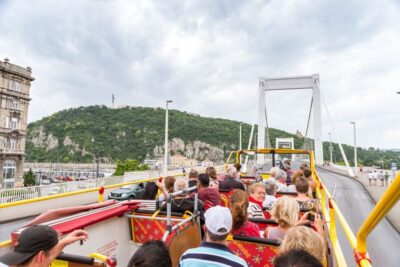
City Sightseeing Hop-On Hop-Off Bus Tour & Extras
Read our review →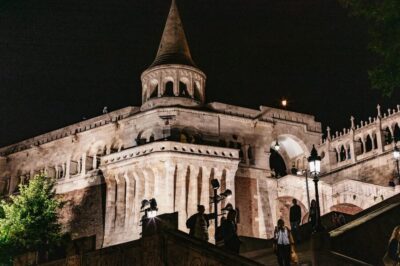
Buda Castle District Vampires and Myths Night Tour
Read our review →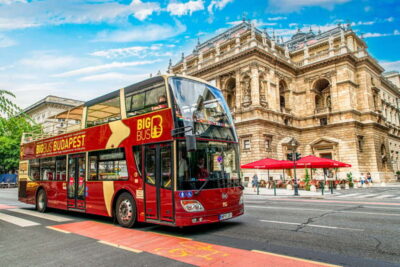
Big Bus Hop-On Hop-Off Tour & Danube River Cruise
Read our review →
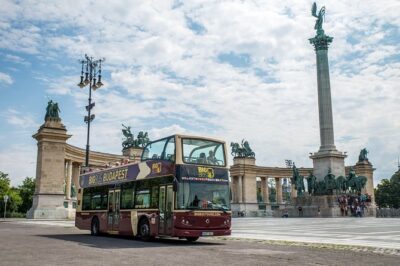
Big Bus Budapest Hop-On Hop-Off Bus and Walking Tour
Read our review →