
Reviewed · BUDAPEST WALKING TOURS
Budapest: Walking Tour in German
Budapest makes sense once you connect its grand Pest boulevards with the castle-topped Buda hills. This three-hour German-language walk does just that, linking St. Stephen’s Basilica, Parliament, the Chain Bridge, Buda Castle, Matthias Church, and Fisherman’s Bastion in one compact introduction.
I like the route’s mix of big views and difficult history, and I like having a local German-speaking guide who can explain Hungary’s 1,100 years without turning the walk into a stack of dates. Guides Ewa, Ursula, and Monika have each drawn especially warm praise, with Monika also offering a useful restaurant tip. The main consideration is that this is not a purely walking tour: you need four public transport tickets per person, listed at 1,400 HUF, and shorts are not allowed.
Key points at a glance
- St. Stephen’s Basilica starting point: Meet beside the basilica, in front of California Coffee Company.
- Pest to Buda in one route: See Leopoldstadt, Parliament, the Chain Bridge, and the castle district before crossing the Danube by public transport.
- German-speaking guidance: The tour is available with a live German-speaking guide, including private or small-group options.
- Castle Quarter highlights: Visit the Buda Castle area, Royal Palace, President’s Palace, Matthias Church, and Fisherman’s Bastion.
- A history lesson with a view: The guide covers Hungary from its conquest through its recent democratic changes.
- Practical planning matters: The tour costs $41 per person, lasts three hours, and requires separate public transport tickets.
Starting beside St. Stephen’s Basilica
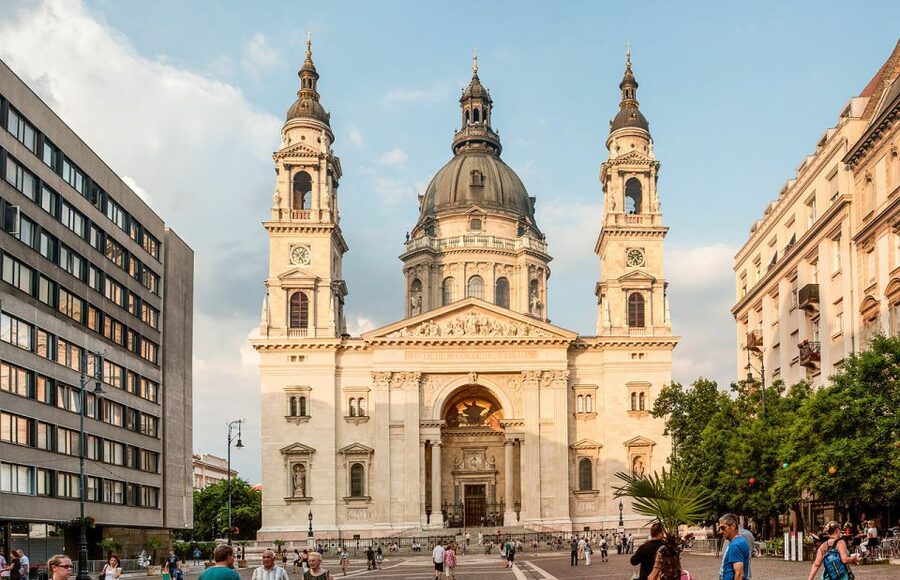
Your meeting point is easy to identify: next to St. Stephen’s Basilica, in front of California Coffee Company. That puts you in central Pest, a useful place to begin because the tour first introduces Budapest’s eastern side before moving across the Danube.
St. Stephen’s Basilica is one of the city’s major landmarks, with an impressive exterior that gives you an immediate sense of Budapest’s scale and confidence. It also provides a clear first stop for orientation. Rather than starting in an anonymous square, you begin beside one of the capital’s most recognizable buildings.
I like this arrangement because the tour gets to a major sight at once, then uses it as a reference point for the rest of the morning or afternoon. From here, you can expect the guide to set out the broad story of Hungary and explain how the city developed on both sides of the river.
The activity information does not promise an interior visit to the basilica, so plan on seeing and discussing it from the outside unless your guide says otherwise. That distinction matters if you are hoping to tour every building rather than take a city walk focused on setting, history, and views.
More walking tours in Budapest:
- Budapest: Buda Castle Walk with Saint Stephen’s Hall
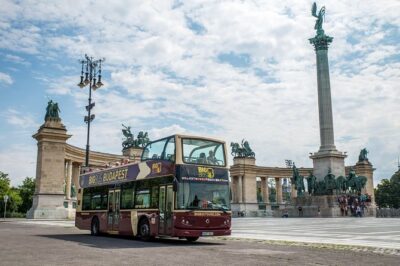
★ 4.5 · 3,012 reviews - Big Bus Budapest Hop-On Hop-Off Bus and Walking Tour
★ 3.5 · 2,206 reviews - Budapest: Buda Castle District Walking Tour
★ 4.6 · 2,108 reviews
Leopoldstadt, Parliament, and the Pest side
The first portion takes you through the oldest parts of central Budapest, including Leopoldstadt, also called Leopard Town in the tour description. This part of the route gives you the Pest-side setting before the castle district changes the mood and elevation of the day.
The Hungarian Parliament is one of the principal sights included along the way. Even without an announced interior visit, seeing it as part of the city walk helps you understand Budapest’s civic center. The guide can connect the building to the story of the Hungarian state, from the early kingdom through the modern democratic period.
That historical range is one of the strongest reasons to book a guide in German. Hungary’s past covers conquest, royal power, political upheaval, and recent democratic changes. A well-structured explanation can give you a working framework for the rest of your visit, rather than leaving each monument as a separate photo stop.
The pace should also suit you if you want an overview before exploring Budapest on your own. Three hours is enough time to see a lot, but not enough for long visits inside every major building. Think of this as a city orientation with serious historical content, not a museum tour.
The Chain Bridge and crossing to Buda
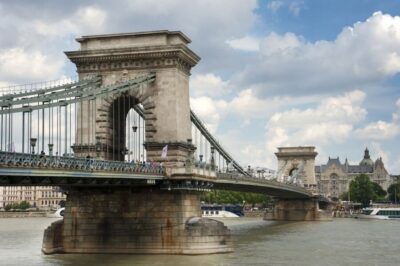
The Chain Bridge is the route’s natural hinge. It links Pest and Buda across the Danube and gives you a dramatic change of setting. The Pest side feels like a central capital, while the Buda side leads toward the fortified castle area and its older architectural character.
You do not simply walk the whole tour from one sight to the next. The group uses public transport to cross the Danube from Pest to Buda. Four tickets per person are required, with the supplied information listing the cost as 1,400 HUF. These tickets are not included in the $41 tour price.
That is a small but important budgeting detail. The extra fare is modest, yet you should arrange it before the tour or ask the guide where to buy the necessary tickets. Since the crossing is part of the planned route, public transport is not an optional add-on.
I like the crossing because it keeps the itinerary practical. You get to cover both halves of Budapest without spending too much of the three-hour window on a long walk between districts. It also gives the guide a clean way to explain why Budapest feels like one city but has two very different historic centers.
Buda Castle and the Royal Palace
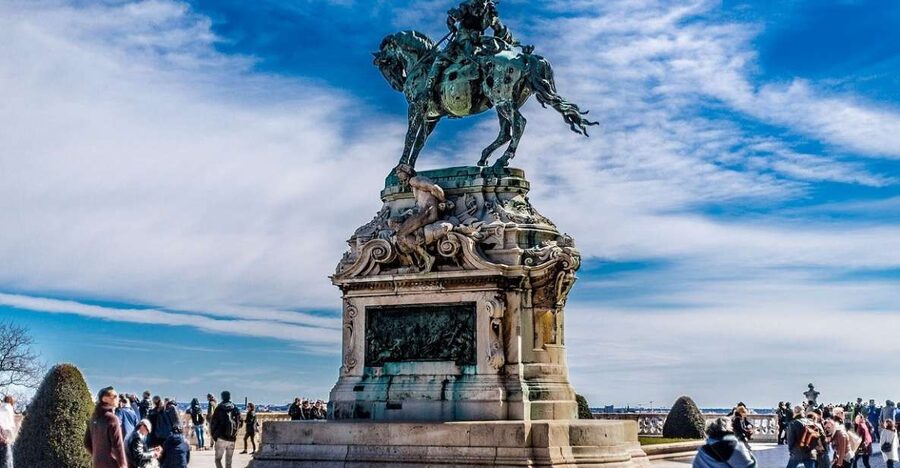
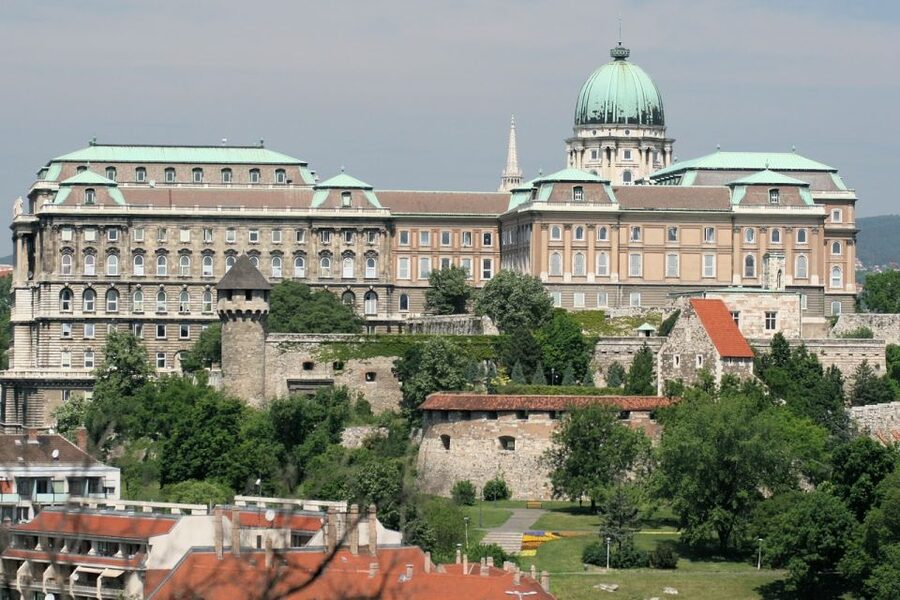
On the Buda side, the tour moves into the castle area, one of Budapest’s most important historic zones. The fortified Buda Castle and Royal Palace are central to the story of the Hungarian kingdom, so this is where the earlier historical explanation should start to feel concrete.
The route includes the Castle Quarter, rather than treating the castle as a quick photo stop. You can expect a walk through an area shaped by royal power, defense, religion, and later political change. The information does not promise admission to the Royal Palace or a particular museum collection, so the emphasis is on the district and its major buildings.
This is also the section where comfortable walking shoes matter most. The tour is primarily on foot, and the castle area involves walking through historic streets and public spaces. No special fitness level is stated, but you should be ready for three hours of walking with a public transport segment in the middle.
The guide’s role is especially useful here. A castle quarter can look like a series of handsome facades unless someone explains how the buildings fit into Hungary’s wider story. The activity promises an insider’s perspective and time for questions, so use that opportunity to ask about the royal palace, the fortified setting, or the changes Hungary experienced in the twentieth century.
Same city, a completely different sort of day:
- Budapest: City Highlights Cruise with Welcome Drink
★ 4.6 · 35,610 reviews - Budapest: Unlimited Prosecco, Beer and Aperol Spritz Cruise
★ 4.8 · 25,310 reviews - Budapest: Széchenyi Spa Day Ticket with Optional Upgrades
★ 4.3 · 23,911 reviews - Budapest: Nighttime or Daytime Sightseeing Cruise
★ 4.2 · 21,062 reviews
Matthias Church and Fisherman’s Bastion
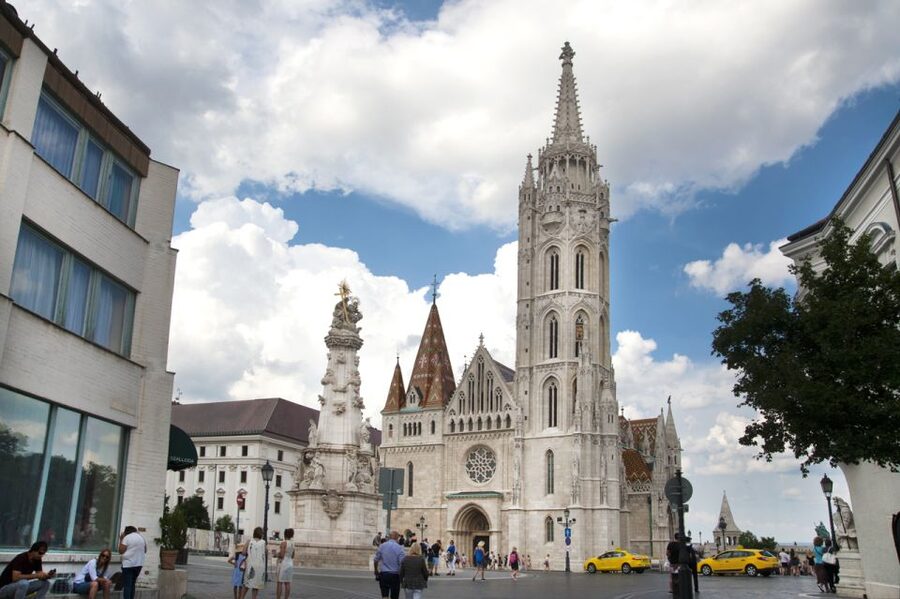
Matthias Church is one of the tour’s strongest architectural stops. The church brings Gothic design into a route that already includes grand civic buildings and a royal palace. It gives you a different view of Buda, one centered on worship, ceremony, and the visual drama of the Castle Quarter.
Again, the stated program is to see the church, not to guarantee an interior admission. If entering is important to you, ask at the start what the guide plans to include. The walk’s confirmed focus is sightseeing and explanation across the historic district.
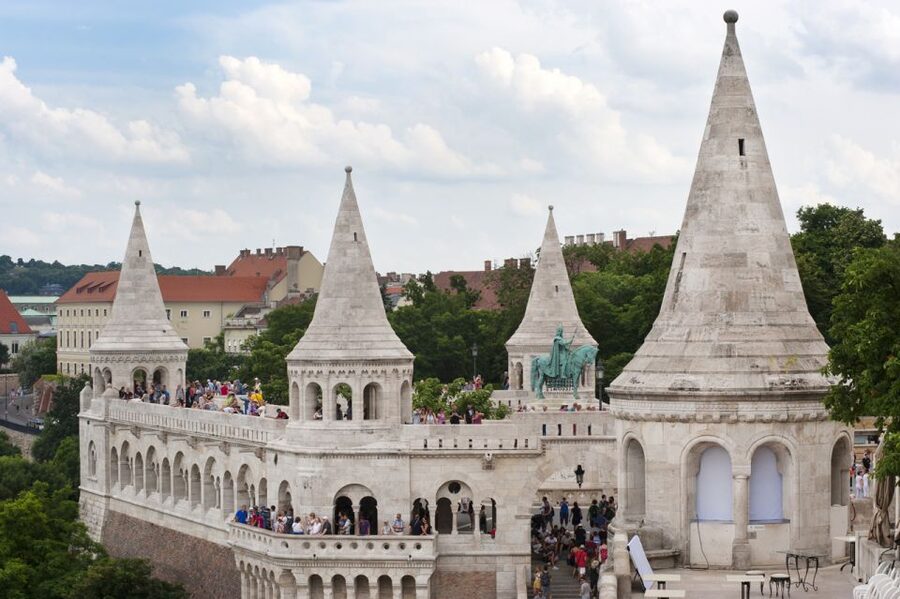
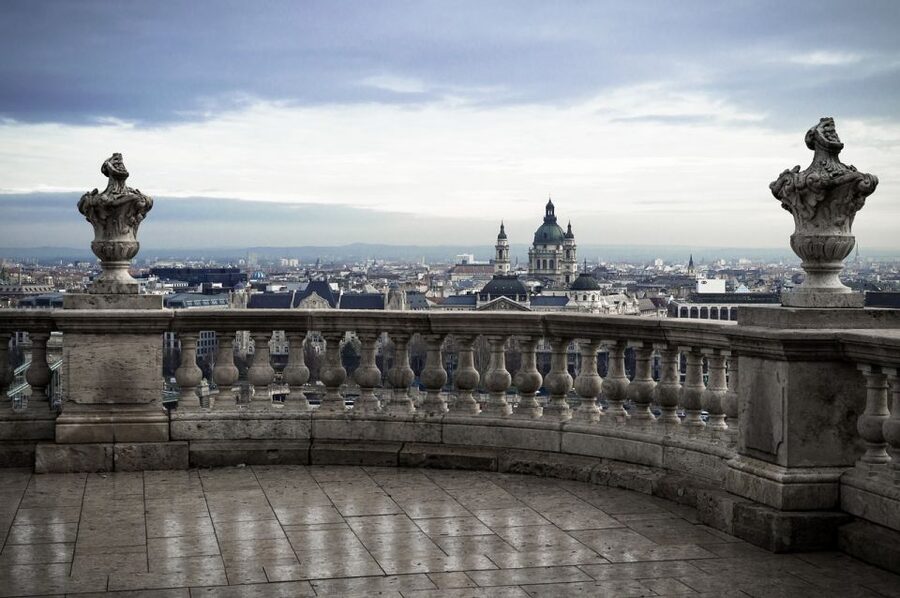
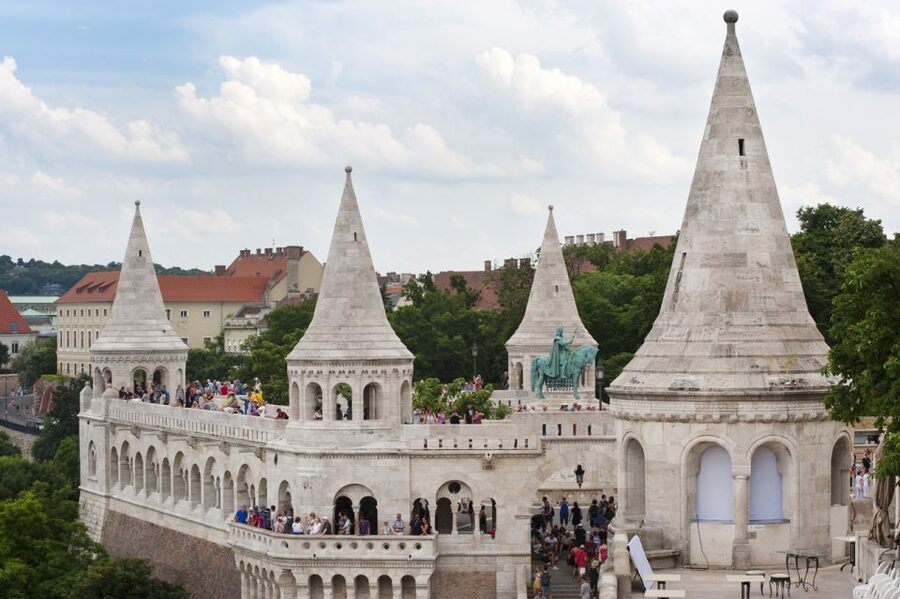
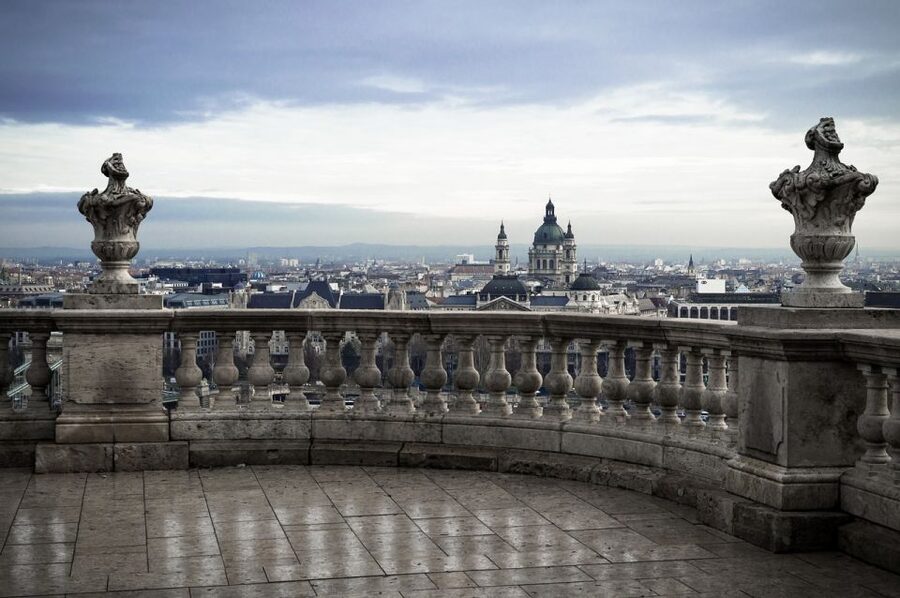
Nearby Fisherman’s Bastion supplies the views. From this part of Buda, you can look across the river toward Pest and take in the city from above. The panorama is one of the tour’s main payoffs because it brings the two halves of Budapest together in a single view.
I especially like the contrast between the Gothic church and the open lookout points. One stop asks you to look closely at architecture; the other asks you to step back and read the city as a whole. Bring a camera, but leave room to listen. The view is memorable, yet the guide’s explanation helps you understand why the route has moved from basilica to parliament to bridge to castle.
What the German-language guiding adds
This is a tour for people who want more than a map and a list of dates. The guide speaks German throughout, and the activity is available as a private tour or in a small group. That gives you a better chance to ask questions and keep the historical discussion at a comfortable pace.
The guide names connected with the experience include Ewa, Ursula, and Monika. Ewa has been praised for making the story interesting. Ursula led a group of nine friends and added a Hungarian song to the experience, an unusually personal touch that helped make the tour memorable. Monika is noted for her warm manner, strong German, and a restaurant recommendation that proved useful.
Those details point to the value of the human part of the tour. You are not just paying for a route between famous sights. You are paying for someone who can answer questions, adjust the explanation to your interests, and add local suggestions when appropriate.
The overall rating is 4.9 from 135 reviews, which is a strong signal for guide quality. Still, no guide can guarantee the exact same personality or extra touches on every departure. If a particular guide is important to you, ask the provider when booking rather than assuming a named guide will lead your tour.
Three hours, $41, and what you receive
At $41 per person, the tour is priced as a guided city introduction rather than a simple group walk. The cost includes the German-speaking guide. It does not include public transport, and the listed transport allowance is four tickets per person for 1,400 HUF.
The value depends on how much you want explained. If you are happy to walk between the main sights with a guidebook, you may prefer to explore independently. If you want the city arranged into a clear story, the price is easier to justify, especially in a small group or private format.
Three hours is a sensible length for a first look at Budapest. You can cover both Pest and Buda, see the main landmarks, and finish with the castle district and its views. The tradeoff is limited time at each location. You should not expect a leisurely interior visit at every church and palace.
I would use this tour early in a Budapest stay. It can show you where the main districts sit, explain the city’s basic history, and help you decide which places deserve a second visit. A restaurant suggestion from Monika shows another possible benefit: your guide may also help shape the rest of your time in town.
Who will enjoy this walk most
This experience is a good fit if you want to see the major Budapest sights in German and prefer a guide to connect them. It suits first-time visitors, couples, families with older children, and small groups who want a shared introduction rather than a long museum visit.
It is also a practical choice for German-speaking visitors who would find a complex historical explanation easier in their own language. Hungary’s political and royal story has many layers, and clear language makes a difference when you are trying to follow changes across 1,100 years.
You may want a different activity if your main goal is extended time inside St. Stephen’s Basilica, Parliament, Matthias Church, or the Royal Palace. The supplied program confirms sightseeing at these places, but it does not include admission tickets or promise interior tours.
You should also think about clothing. Shorts are not allowed. Choose respectful clothing and shoes suited to a mostly outdoor walk. The tour uses public transport for the Danube crossing, so you should be comfortable moving through the city rather than expecting a fully private vehicle.
Practical details before you book
The meeting point is next to St. Stephen’s Basilica, in front of California Coffee Company. Check the start time when booking because availability varies.
The live tour language is German. Private and small-group options are available, so check which format you are selecting and whether the price changes for your chosen arrangement.
Public transport tickets are separate. The information specifies four tickets per person and a total of 1,400 HUF. Since the crossing from Pest to Buda is part of the program, do not arrive assuming the tour price covers every transport cost.
You can cancel up to 24 hours in advance for a full refund. You can also reserve now and pay later, which helps if your Budapest schedule is still shifting.
The tour is mainly on foot. Wear comfortable shoes, bring water, and prepare for outdoor sightseeing. The dress rule is simple: shorts are not allowed.
Should you book this Budapest tour?
Book it if you want a German-speaking introduction to both sides of Budapest, with major landmarks, castle views, and a clear account of Hungarian history in one three-hour route. The strongest reasons are the efficient Pest to Buda plan, the small-group or private options, and the personal touch associated with guides such as Ewa, Ursula, and Monika.
Skip it if you want long interior visits, a museum-heavy schedule, or a tour conducted entirely on foot. For most German-speaking first-time visitors, though, $41 is fair for a guided overview that covers St. Stephen’s Basilica, Parliament, the Chain Bridge, Buda Castle, Matthias Church, Fisherman’s Bastion, and the city’s best viewpoints. Just budget for the separate transport tickets and wear more than shorts.
FAQ
What language is the tour conducted in?
The live tour guide speaks German, and German is the stated tour language.
How long does the walking tour last?
The tour lasts three hours.
Where does the tour meet?
Meet next to St. Stephen’s Basilica, in front of California Coffee Company.
What major sights are included?
The route includes St. Stephen’s Basilica, the Hungarian Parliament, the Chain Bridge, Buda Castle, the Royal Palace, the President’s Palace, the Castle Quarter, Matthias Church, and Fisherman’s Bastion.
Does the tour include public transport?
No. Public transport tickets are not included. You need four tickets per person, listed at 1,400 HUF.
Why is public transport used?
The tour uses public transport to cross the Danube from Pest to the Buda side.
Is the tour private or shared?
Private and small-group options are available.
What is included in the price?
The German-speaking guide is included.
Are shorts allowed?
No. Shorts are not allowed on the tour.
Can I cancel for a full refund?
Yes. You can cancel up to 24 hours in advance for a full refund.
Just added around Budapest
- Budapest: Danube River Views Bike Ride★ 4.8 · 23 reviews
- Budapest: City Bike Tour with Coffee Stop★ 5.0 · 37 reviews
- Budapest: Private Walking Tour with a Local Guide★ 3.6 · 6 reviews
- Budapest: Vacation Photographer to collect great memories★ 5.0 · 49 reviews
- Walk to recent and aged spiritual sanctuaries near Budapest★ 5.0 · 5 reviews
- From Budapest: Guided Tour of Eger with Wine Tasting★ 4.5 · 6 reviews
- Audio visual multi-sensory chefs journey dinner experience★ 5.0 · 3 reviews
- Budapest: 3-Hour Trabant Sightseeing Tour★ 4.7 · 28 reviews
Budapest Walking Tours, compared.
Big Bus Budapest Hop-On Hop-Off Bus and Walking Tour
Read our review →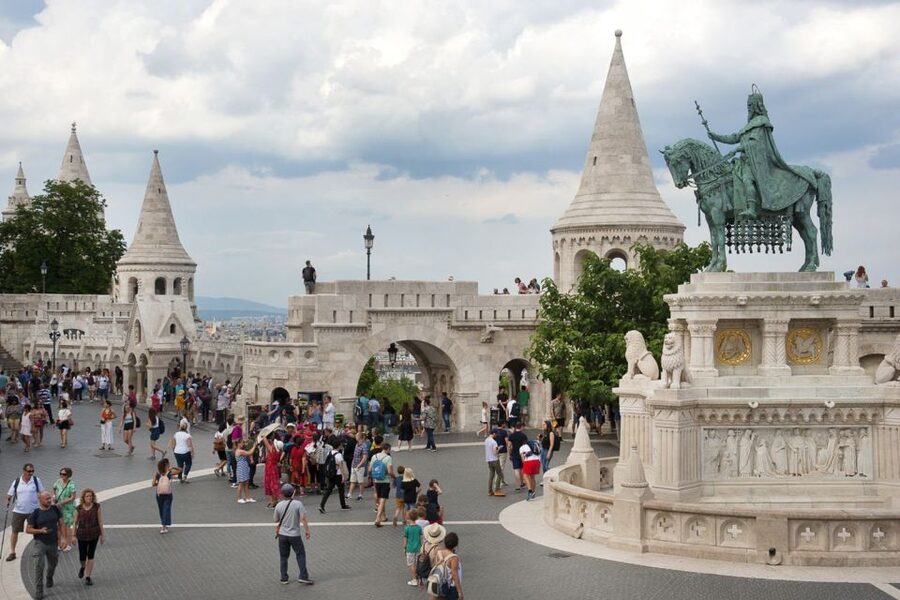
3-Hour Orientation Walking Tour of Buda and Pest
Read our review →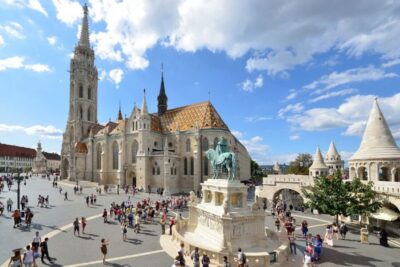
Budapest Historical Sightseeing – Free Walking Tour
Read our review →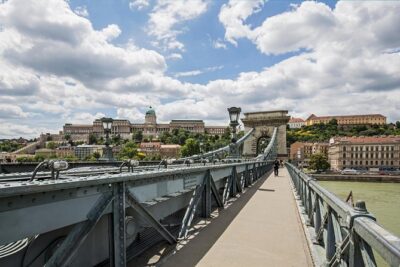
Budapest All in One Small Group Walking Tour with Strudel Stop
Read our review →
Buda Castle District Walking Tour with a Historian
Read our review →Browse the lists this tour appears in