
Reviewed · BUDAPEST COOKING CLASSES
Hungarian Cooking and optional Local Market Tour
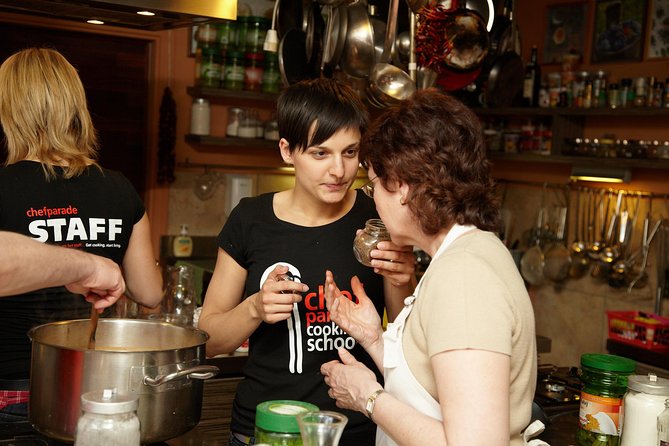
Budapest’s best food lesson may be the one where you stop eating restaurant versions and learn how the dishes work at home. You’ll prepare goulash soup, chicken paprikash with fresh nokedli, and apple strudel, while your instructor explains Hungarian customs, paprika, family cooking, and the rituals around the table. The optional Central Market Hall tour adds local produce, meats, cheese, pastries, and paprika before the cooking begins.
I like the genuine hands-on format, and I like that the class is built around eating what you make rather than watching a chef perform. Instructors such as Vesna, Bernadette, Brigitte, Betty, and Adrienne have been praised for clear teaching and warm conversation. The main caution is practical: the market add-on and return transportation have caused confusion, so confirm exactly what your booking includes.
Key points to know before booking
- You cook three dishes from scratch: The usual menu includes goulash soup, chicken paprikash with nokedli, and apple strudel, though soup and dessert can vary.
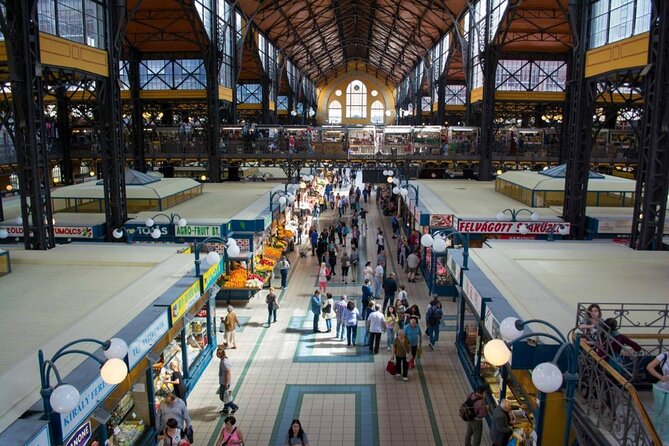
- The market option adds real local context: At Central Market Hall, you can learn about paprika, produce, meats, cheeses, pastries, and Hungarian shopping habits.
- The class is genuinely hands-on: You may chop vegetables, prepare stock, stir the paprikash, make spaetzle-style nokedli, and assemble strudel.
- Small groups make a difference: The maximum is 15 people, and some sessions have been small enough to feel almost private.
- Wine and spirits are part of the meal: Expect local wine and a little pálinka, with Unicum sometimes offered separately.
- Check the finish and transport details: The class can end at Páva Street 13 in Pest or Bécsi Street 27 in Buda, and the basic package may not include a ride back to the market.
What this Budapest cooking class is really about
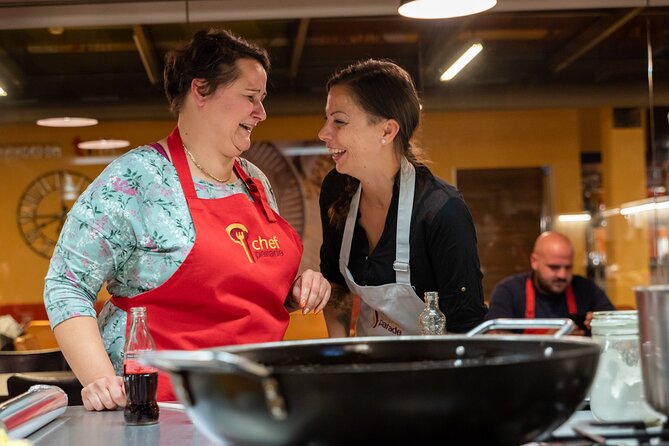
This is not a demonstration where you sit behind a counter and watch someone cook. You take part in the work, then sit down to eat the results. That distinction matters. Hungarian food often looks simple on a menu, but the flavor depends on small choices: how you cook onions, when paprika goes into the pan, how long the chicken simmers, and how you handle the dough.
The class lasts about four hours, including the optional market visit. The cooking portion takes place at Chefparade Cooking School, with English instruction and a maximum of 15 participants. That is large enough for a social meal but small enough for the chef to help with knife work, dough, sauces, and timing.
The tone appears relaxed rather than formal. You cook, taste, ask questions, drink wine, and hear stories about Hungarian life. The food is the center of the experience, but the cultural conversation is what keeps it from feeling like a standard recipe lesson.
More market hall visits in Budapest:
- Budapest Cooking Class & Market Tour with Local Guide & Wines
★ 5.0 · 553 reviews - Budapest: Hungarian Cuisine in the Market Hall (german)
★ 4.8 · 146 reviews - Budapest: Hungarian Cooking Class and Market Walk
★ 5.0 · 91 reviews
Start at Central Market Hall, not at the classroom
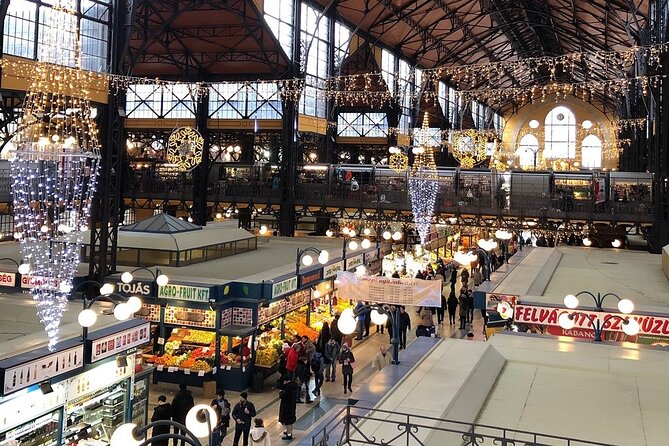
The market option begins at Budapest’s Central Market Hall, listed at the meeting point in the 1093 district. This is a useful place to begin because the building gives you an immediate look at the ingredients behind Hungarian cooking.
A guide such as Vesna may point out different types of paprika, seasonal vegetables, meats, cheeses, pastries, and other local products. The useful part is not simply seeing the stalls. You learn that similar products can vary in quality, and you get a better sense of how Hungarians shop for a meal.
This is also where you may taste some distinctly Hungarian flavors. The market walk is intended to show how the market functions as a social place, not just a grocery stop. You are seeing how people browse, compare, chat, and build a meal.
Allow enough time for the tour, but do not assume it is a long shopping session. One account describes the market portion as just under an hour, which is enough for an introduction but not enough for a leisurely shopping trip. Another experience found the visit rushed, with little opportunity to buy anything. If you want paprika, sausage, sweets, or another souvenir, ask at the start how much free time you will have.
That small point can shape your day. The market tour is best for orientation and tasting. It is less reliable as a dedicated shopping excursion.
The transfer to the cooking school needs attention
The class may take place at Páva Street 13 in Pest or Bécsi Street 27 in Buda. The published meeting information can also make it sound as if the activity ends where it began, while the more detailed instructions say the cooking finishes at the school.
This is the main logistical weakness to watch. The market and school are not necessarily next door, and one group used taxis for the transfer. Some packages sold through other channels have included transportation back to the center, an apron, or a cookbook, while the basic booking may not include those extras.
I would confirm three things before the day begins:
- Which cooking school address applies to your date
- How you will get from the market to the school
- Whether transportation back to Central Market Hall is included
In one poorly coordinated session, the return taxi took more than 20 minutes to arrange. In other sessions, the staff helped participants find their way and arranged a shared taxi. The lesson is simple: do not leave your return plans vague, especially if you have an evening train, flight, or dinner reservation.
Cooking goulash, paprikash, and nokedli
The standard menu begins with goulash soup, a hearty beef soup with vegetables. It is not merely a bowl of liquid before the main course. The vegetables, meat, and paprika create a full, warming dish, and the preparation gives you a useful introduction to Hungarian seasoning.
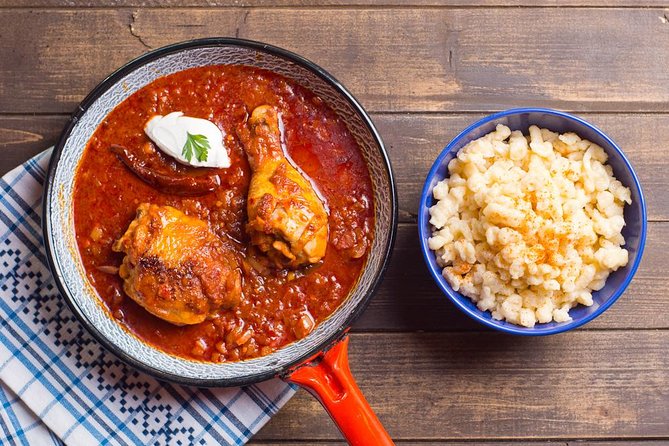
The main course is usually chicken paprikash with nokedli. Paprikash is creamy and paprika-led, but the best version depends on patient cooking. You may help prepare the chicken, stir the sauce, and keep the dish from overcooking. One detailed class involved cooking the chicken for about an hour and preparing the sauce with care rather than rushing it.
Nokedli is the Hungarian answer to small, soft spaetzle-style dumplings. Making it fresh gives you a practical skill you can repeat at home. The class is not simply handing you a plate of finished food. You may prepare the dough, shape the dumplings, and combine them with the sauce.
A mushroom paprikash can replace the chicken version, and a vegetarian menu is available on request. The exact soup and dessert can also change. One class prepared creamy potato soup and palacsinta, a Hungarian pancake, instead of the listed dishes. That flexibility can be helpful, but you should not assume every date follows precisely the same menu.
More cooking classes in Budapest:
- Budapest All in One Small Group Walking Tour with Strudel Stop
★ 5.0 · 1,277 reviews - Budapest: Hungarian Chimney Cake Workshop in the City Center
★ 4.8 · 885 reviews - Chimney Cake Workshop Budapest Downtown – Kürtőskalács Class
★ 5.0 · 220 reviews - Premium Hungarian Home Cooking Experience with Chef Marti
★ 5.0 · 169 reviews
Apple strudel and the pleasure of making dessert
The usual dessert is apple strudel, made with thin pastry and a sweet apple and cinnamon filling. Strudel can look intimidating at first because the pastry needs careful handling, but it is a good ending for a class because the preparation is tactile and easy to remember.
You may leave with leftover strudel, depending on the quantity prepared. Several sessions produced enough food for participants to take some away, though this should be treated as a pleasant possibility rather than a promised extra.
The larger value is that the recipes are supplied for home use. Participants have also bought cookbooks, sweet paprika, and condiments at the school. If you want to recreate the meal, take notes about ingredient substitutions and paprika choices while the instructor is explaining them. That information is often more useful than a recipe card alone.
The instructors make or break the experience
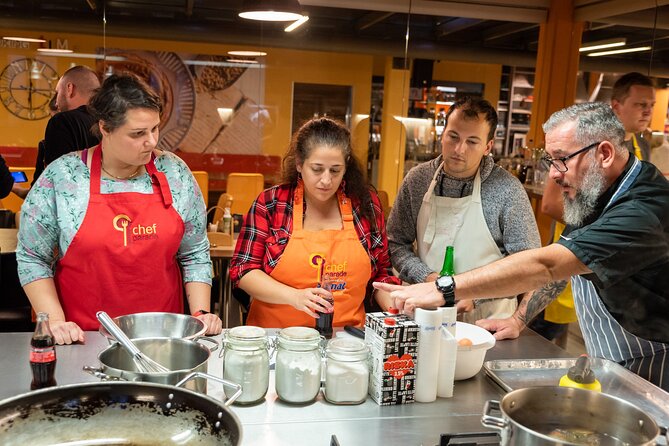
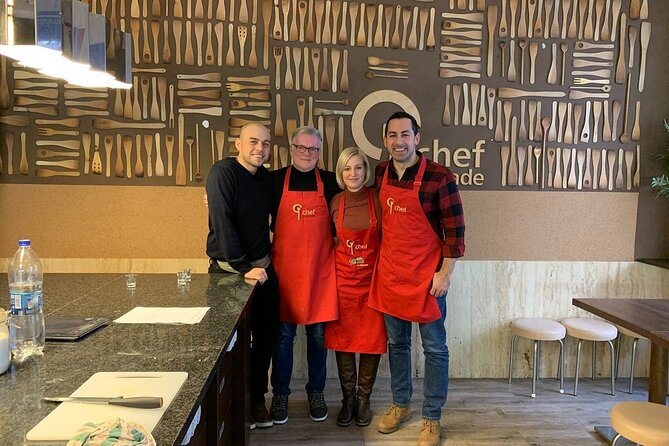
The strongest part of this activity is the teaching. Vesna is repeatedly described as approachable, patient, and skilled at linking the cooking to Hungarian life. She has led both the market visit and the classroom, which gives the day a natural flow.
Bernadette and Brigitte have also been praised for clear English instruction and a relaxed manner. Betty received especially strong praise for explaining techniques in a way that could be used beyond the class menu. Adrienne and other instructors have led sessions with the same focus on traditional methods and culture.
You do not need to be a confident cook. The format suits beginners because you are guided through each stage, and it also gives experienced cooks something to think about. One retired chef found new techniques in the class, especially in the handling of paprikash and the pacing of the meal.
The group setup can vary. You may work on one portion of a recipe with other participants, or the chef may organize the class so everyone takes part in preparing the shared meal. That means the experience is social rather than a private lesson by default. If you expect to cook an individual full plate from start to finish, adjust your expectations.
Wine, pálinka, and the Hungarian table
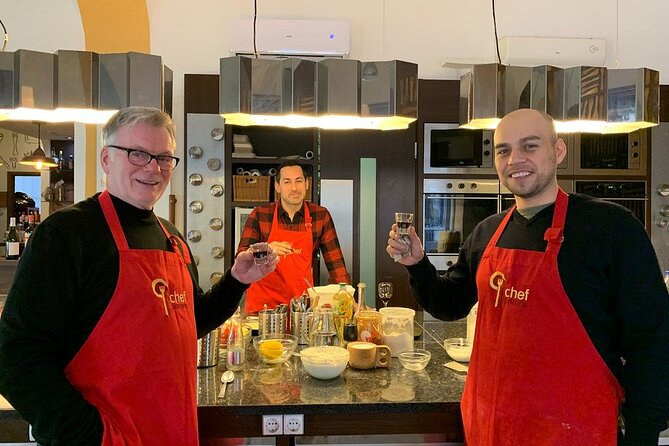
Local wine is served while you cook and with the meal. A little pálinka tasting is also part of the experience. These drinks are not just decoration. They help explain how food, hospitality, and conversation fit together in Hungary.
Pálinka is strong fruit brandy, so take the word little seriously if you are not used to spirits. Unicum has also been offered at the end of at least one session, though it was described as an extra rather than a standard part of the program.
The meal is generally plentiful. You are eating the soup, main course, and dessert created during the lesson, often with enough food that leftovers are possible. The pleasure comes from tasting the result while the preparation is still fresh in your mind.
Is $126.98 a fair price?
At $126.98 per person, this is not the cheapest meal in Budapest. You can eat traditional food in the city for far less. The price makes more sense if you value instruction, market access, drinks, recipes, and several hours of conversation rather than just lunch.
The market option improves the value for anyone who wants help understanding Hungarian ingredients. You learn what to look for and how local products differ. If you already know Central Market Hall well and mainly want to cook, the basic class may be the better choice.
The small-group limit also matters. A class of up to 15 is more personal than a large demonstration, and sessions can sometimes be much smaller. Still, the amount of hands-on time depends on the group and the instructor. Ask how the work will be divided if you are booking mainly for the cooking practice.
The strongest value comes from taking the recipes home and using them. If you plan to cook chicken paprikash, goulash, or strudel again, the fee buys more than one meal. If you want a quick lunch with no interest in cooking, it is a costly way to eat.
Who should book this experience?
I would choose this class if you want a food activity that explains why Hungarian dishes taste the way they do. It suits couples, families with adult children, friends, solo participants comfortable joining a group, and anyone who likes to bring home a practical memory.
It is also a good choice for a final full day in Budapest. You cook, eat, talk about local life, and leave with recipes instead of another souvenir that sits in a drawer.
I would be more cautious if you have strict dietary needs. Vegetarian food is available on request, but the booking information says options for allergies and religious dietary restrictions may be limited. State your requirements when booking and confirm them again before the class.
The experience is also not ideal if your schedule is tight. Four hours is an estimate, and the market, transfer, cooking, meal, and return arrangements can take longer than expected. Keep your next appointment flexible.
Practical details before you reserve
The activity is offered in English and uses a mobile ticket. Confirmation normally arrives at booking, although reservations made within one day of departure may require a later confirmation.
The maximum group size is 15. The experience is near public transportation, but the exact school location matters, since the class may be in Buda or Pest. Wear something comfortable for cooking, and avoid scheduling a rushed connection afterward.
Free cancellation is available up to 24 hours before the start time for a full refund. Changes or cancellations inside that window are not accepted for a refund, and the cut-off follows Budapest local time.
Should you book the Hungarian cooking class?
Yes, if you want to learn rather than simply eat. The class combines real preparation, a full meal, local drinks, recipes, and a useful look at Hungarian food culture. The instructors, especially Vesna, Bernadette, Brigitte, and Betty, appear to be the experience’s greatest strength.
Add the market tour if you want help choosing paprika and other ingredients, or if Central Market Hall is new to you. Skip it if you mainly want classroom time, have limited patience for a guided market walk, or need a simpler schedule.
Before paying, confirm the menu, school address, market transport, and return arrangements. With those details clear, this is a warm, practical way to spend a Budapest morning or afternoon, and one that can keep feeding you long after you leave Hungary.
FAQ
How long does the Hungarian cooking class last?
The full experience takes approximately four hours, including the optional market tour.
What dishes are normally prepared?
The listed menu includes goulash soup, chicken paprikash with nokedli, and apple strudel. A mushroom paprikash may replace the chicken dish, and menus can sometimes include potato soup or palacsinta.
Is the market tour included?
The market visit is optional. It takes place at Central Market Hall and focuses on Hungarian ingredients, shopping customs, tastings, and product quality.
Where does the activity end?
The cooking class ends at the cooking school, which may be at Páva Street 13 in Pest or Bécsi Street 27 in Buda. Confirm the exact address and return transportation before the experience.
Is a vegetarian menu available?
Yes, a vegetarian menu is available upon request. Dietary requirements and allergies should be provided when booking, though options may be limited.
What is the cancellation policy?
You can cancel at least 24 hours before the start time for a full refund. Cancellations or changes made less than 24 hours before the experience are not refundable.
Just added around Budapest
- Budapest: Danube River Views Bike Ride★ 4.8 · 23 reviews
- Budapest: City Bike Tour with Coffee Stop★ 5.0 · 37 reviews
- Budapest: Private Walking Tour with a Local Guide★ 3.6 · 6 reviews
- Budapest: Vacation Photographer to collect great memories★ 5.0 · 49 reviews
- Walk to recent and aged spiritual sanctuaries near Budapest★ 5.0 · 5 reviews
- From Budapest: Guided Tour of Eger with Wine Tasting★ 4.5 · 6 reviews
- True Crime Walking Tour in the Buda Castle district★ 5.0 · 26 reviews
- Audio visual multi-sensory chefs journey dinner experience★ 5.0 · 3 reviews
Budapest Cooking Classes, compared.

Budapest All in One Small Group Walking Tour with Strudel Stop
Read our review →
Hungarian Chimney Cake Workshop in the City Center
Read our review →
Budapest Cooking Class & Market Tour with Local Guide & Wines
Read our review →
Chimney Cake Workshop Budapest Downtown – Kürtőskalács Class
Read our review →
Premium Hungarian Home Cooking Experience with Chef Marti
Read our review →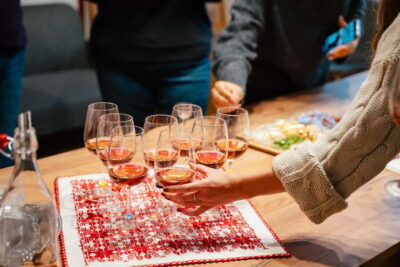

Hungarian Strudel Making Class: Stretch & Fill Two Ways
Read our review →
Private Budapest All In One Walking Tour with Strudel Stop
Read our review →Browse the lists this tour appears in