
Reviewed · BUDAPEST WALKING TOURS
Budapest Walking Tour with a Professional Local Guide
Budapest’s story is not just about grand buildings and river views. It is also about revolutions, Nazi and Communist rule, sudden urban growth, and the hard work of becoming a modern democracy. This three-hour walk links St. Stephen’s Basilica, Parliament, and Buda Castle into one useful first look at the city.
I like the short walking distance, about 1.5 kilometers, and the way public transport is used to cross the river rather than forcing you into a long, tiring hike. I also like the focus on 20th-century Hungary, including personal stories about life under Communist rule. The main consideration is that you will need four public transport tickets, costing 1,400 HUF per person, and the tour gives you exterior views rather than a full visit inside every major building.
Key points to know before booking
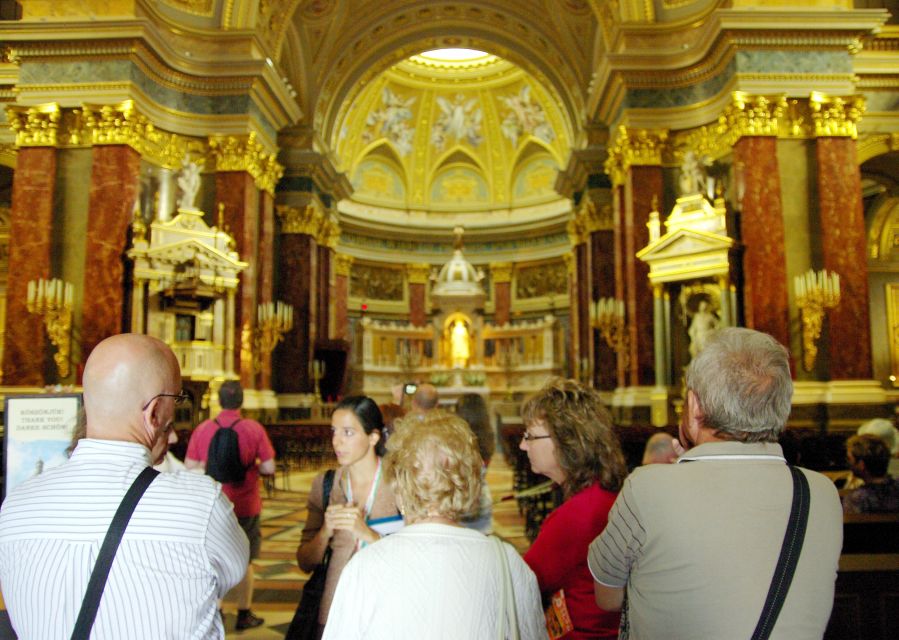
- A compact route through both sides of Budapest: Start near St. Stephen’s Basilica in Pest, then cross the Danube by public transport to reach the Buda side.
- A useful history lesson: The guide connects medieval royal Budapest with 19th-century expansion, dictatorship, revolution, and democratic change.
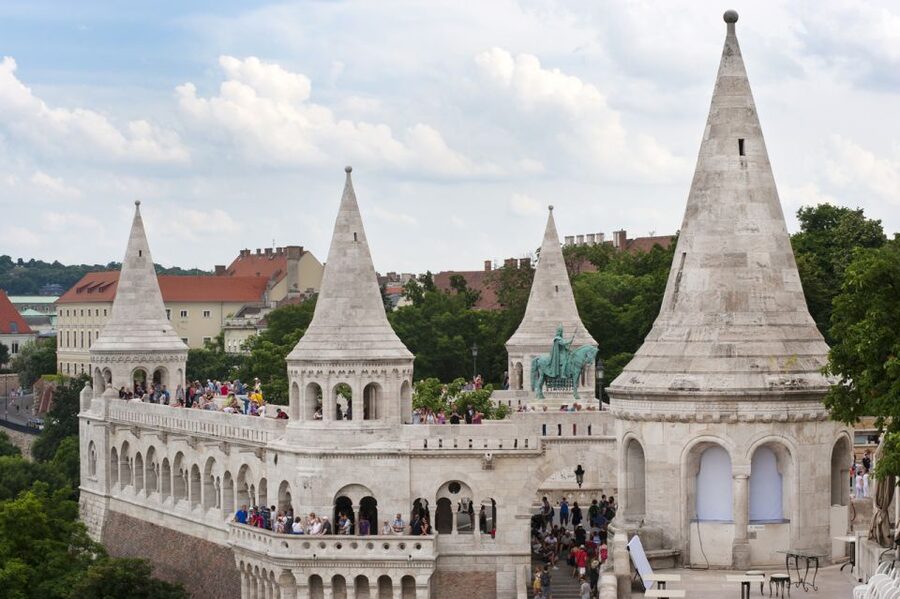
- Major sights without a long trek: See the Basilica, Hungarian Parliament, Buda Castle, and Matthias Church during roughly 1.5 kilometers of walking.
- Strong guide-led storytelling: Guides including Alexandra, Dominik, Dominic, Dalia, Oliver, and Vikki have been praised for clear explanations, humor, and patience.
- Good for a first visit: The tour gives you a city overview before you decide which sights deserve more of your time.
- Small-group or private options: A smaller group can make it easier to ask questions about Hungarian history and daily life.
Starting beside St. Stephen’s Basilica
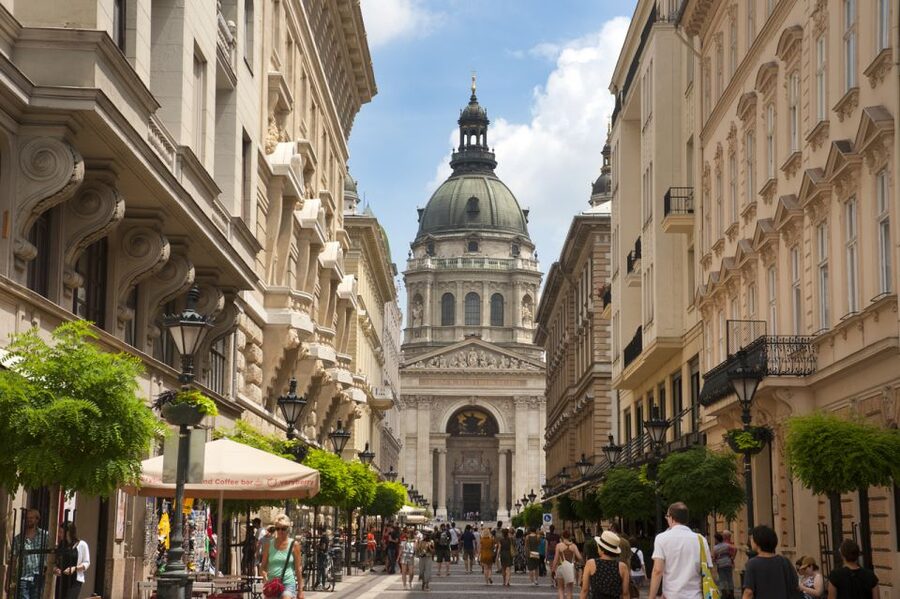
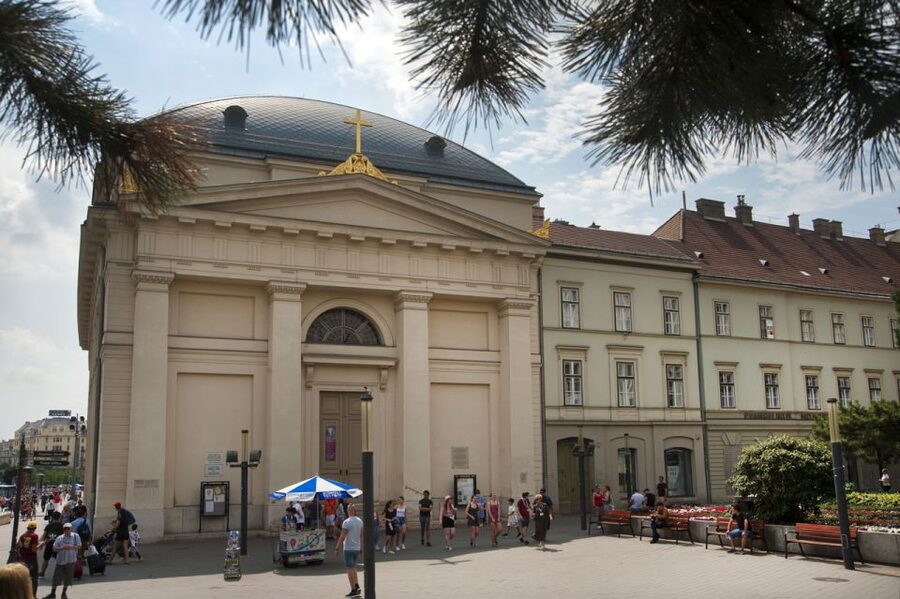
Your meeting point is beside St. Stephen’s Basilica, in front of the California Coffee Company coffee shop. This is a sensible place to begin because the Basilica puts you right in the middle of central Pest, surrounded by some of Budapest’s most impressive urban architecture.
The Basilica is one of the city’s major religious landmarks. Even if you do not go inside, its monumental scale gives the guide an easy opening point for discussing Hungary’s Catholic tradition, the role of religion in public life, and the way Budapest developed as a major European capital.
I would arrive a little early. The meeting point is specific, but a busy central square can still be confusing if you are rushing. Finding the coffee shop first gives you a fixed landmark and lets you begin calmly.
From here, the guide sets the tone for the whole experience. This is not simply a walk from one photogenic building to another. You will hear how different political eras left their mark on Budapest, and how the same city can look grand, damaged, controlled, and renewed depending on the period being discussed.
More walking tours in Budapest:
- Budapest: Buda Castle Walk with Saint Stephen’s Hall
★ 4.5 · 3,012 reviews - Big Bus Budapest Hop-On Hop-Off Bus and Walking Tour
★ 3.5 · 2,206 reviews - Budapest: Buda Castle District Walking Tour
★ 4.6 · 2,108 reviews
Seeing Pest through architecture and politics
The Pest section is where the tour introduces Budapest as a fast-growing 19th-century capital. Its grand public buildings and broad streets reflect a period when the city was expanding quickly and looking toward the great capitals of Western Europe.
The route includes the exterior of the Hungarian Parliament building. Parliament is one of the most recognizable sights in Budapest, and seeing it with a guide adds context that a quick photograph cannot provide. You will learn about its place in Hungarian public life and how the building fits into the city’s political story.
Do not expect a long interior visit here. The value is in the setting, the architecture, and the explanation. If Parliament is high on your list, you may still want to arrange a separate interior visit, but this tour helps you understand where it belongs in the city.
The guide also introduces the difficult chapters of the 20th century. Hungary’s experience of dictatorship was not treated as a footnote in the tour description, and that matters. You can expect attention to the Nazi period, Communist rule, and the changes that came with Hungary’s return to democracy.
That historical focus is one of the best reasons to choose this walk. Budapest can be easy to reduce to thermal baths, cafés, and handsome buildings. The tour gives you the political and human background needed to read the city more clearly.
Crossing the Danube without wearing yourself out
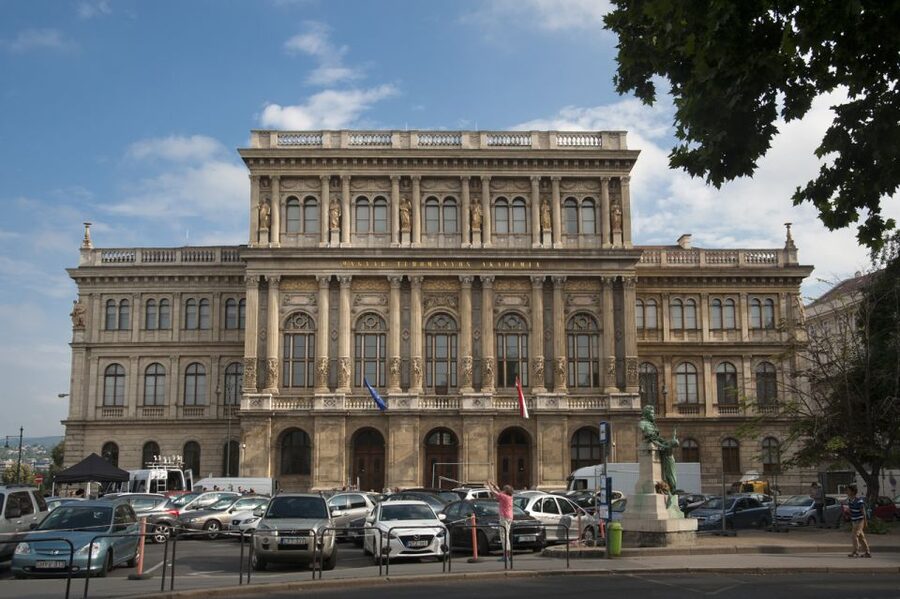
The route uses public transport to cross the river. You will need four tickets per person, currently listed at 1,400 HUF in total. That extra cost is modest, but it should be part of your budget because transportation is not included in the tour price.
This arrangement is practical. Budapest’s two halves are close on a map, but the hills on the Buda side can make a continuous walk more demanding than it first appears. Using public transport keeps the walking distance near 1.5 kilometers and leaves more energy for the sights and conversation.
It also gives the tour a useful change of pace. You begin in the flatter Pest district, then shift across the Danube toward Buda’s historic hill area. The guide can use that transition to explain how the two sides developed differently before becoming one capital.
The tour is described as moving at a comfortable pace. That makes it a reasonable choice if you want a broad introduction without a hard march. Still, this is a walking tour, and Buda Castle and Matthias Church are in a historic hilltop district. Anyone with mobility concerns should ask the provider for current route details before booking.
Buda Castle and the royal side of the city
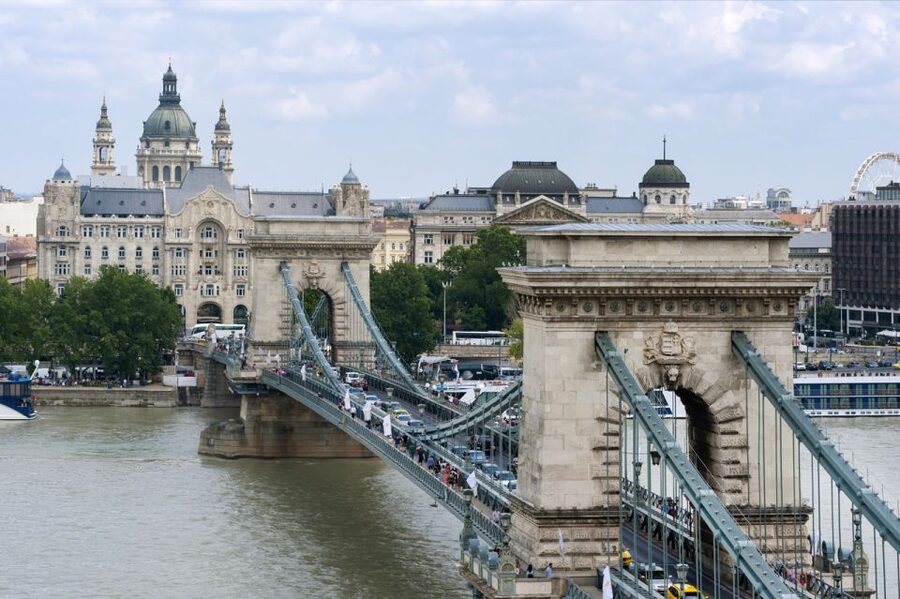
Buda Castle brings the medieval and royal parts of Budapest into view. The castle district is not just another stop on a sightseeing checklist. It shows how important Buda was as a seat of power before Budapest became the large modern capital you see today.
Expect the guide to connect the castle area with Hungary’s medieval royal past and later political changes. The tour’s strength is the link between periods. You are not hearing isolated facts about a church, a palace, or a street. You are getting a basic timeline for how the city changed.
The castle area also provides a useful contrast with Pest. Pest feels more like the 19th-century city of administration, commerce, and grand urban planning. Buda offers a different sense of age and authority, with the historic district shaped by royal power and later rebuilding.
Because the tour lasts three hours, you should think of Buda Castle as a guided introduction rather than a full museum visit. The experience is best for seeing the setting, understanding its role, and deciding if you want to return for more time.
Same city, a completely different sort of day:
- Budapest: City Highlights Cruise with Welcome Drink
★ 4.6 · 35,610 reviews - Budapest: Unlimited Prosecco, Beer and Aperol Spritz Cruise
★ 4.8 · 25,310 reviews - Budapest: Széchenyi Spa Day Ticket with Optional Upgrades
★ 4.3 · 23,911 reviews - Budapest: Nighttime or Daytime Sightseeing Cruise
★ 4.2 · 21,062 reviews
Matthias Church and Budapest’s artistic character
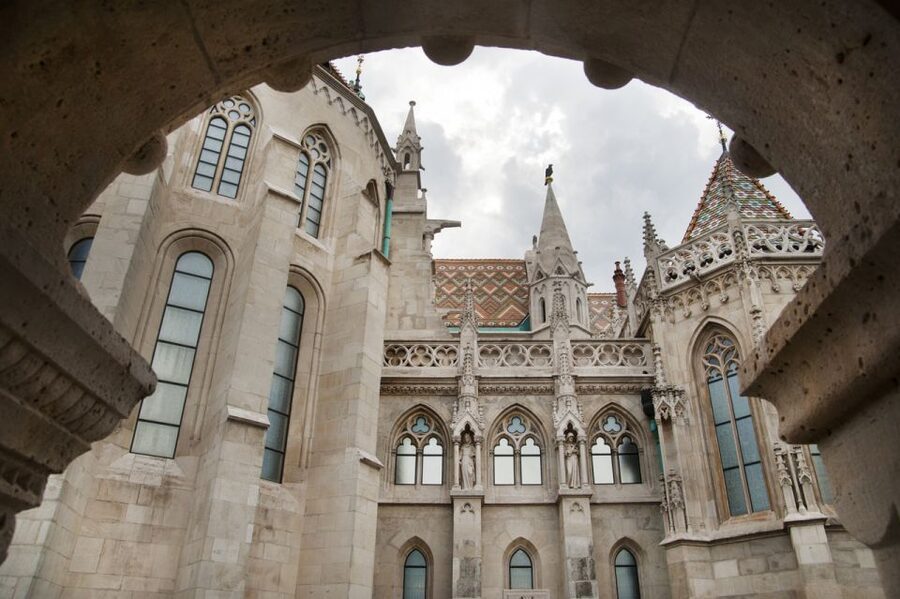
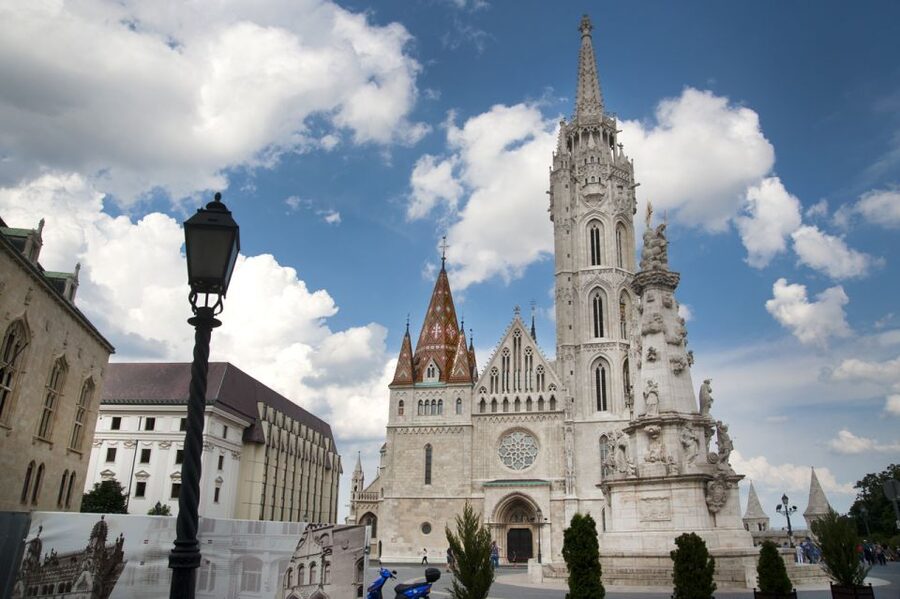
Matthias Church is one of the tour’s strongest visual stops. Its Gothic character gives the guide a natural way to discuss religious architecture, royal ceremonies, and Budapest’s artistic life.
The tour also presents Budapest as the Paris of the East, a nickname tied to its architecture and cultural ambitions. That phrase can sound grand, but it makes more sense when you are looking at the city’s major churches, civic buildings, and artistic traditions together.
I would pay attention to how the guide explains the buildings rather than only collecting photographs. A good explanation can show you why Budapest looks different from other Central European capitals and how its architecture reflects several periods at once.
The tour does not promise a full interior visit at every church or monument. If you want extended time inside Matthias Church, check the day’s arrangements and opening conditions separately. The guided exterior explanation still gives you a useful foundation before a return visit.
The guides and the quality of the storytelling
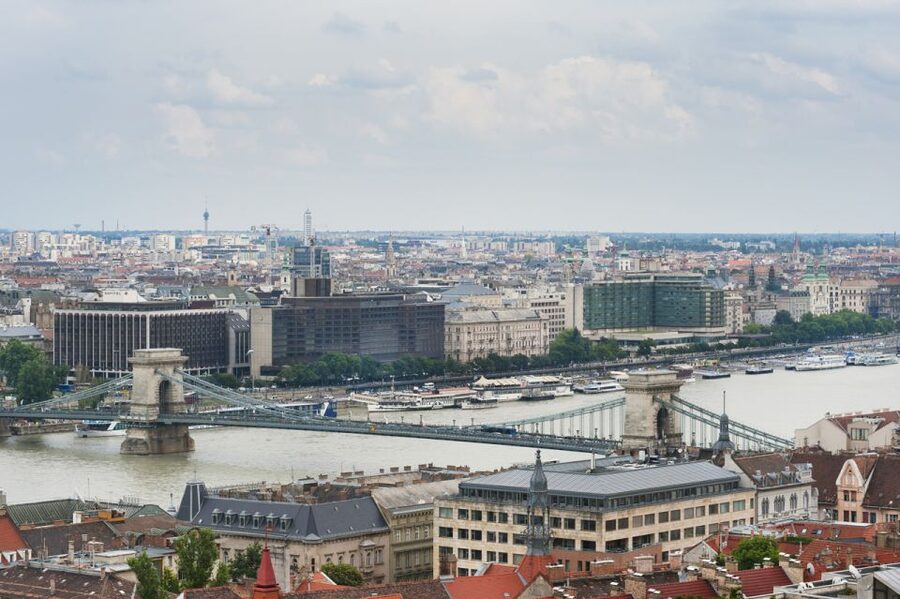
The guide is the most important part of a history-heavy walking tour, and the feedback here is unusually consistent. Alexandra is praised for lively explanations, local details, friendliness, and patience with questions. Dominik and Dominic are described as clear, engaging, and able to keep the tour going even in heavy rain.
Z is noted for humor and enthusiasm. Dalia is remembered for spending extra time with her group and showing strong passion for Budapest’s past. Oliver is described as pleasant and well informed, while Vikki kept a group interested during a bitterly cold day.
Those details tell you what kind of experience to expect. The tone is not a dry lecture. Guides use stories, humor, and personal knowledge to make difficult subjects easier to follow. Several comments also point to a comfortable pace, which is helpful when the tour includes a lot of information.
The subject matter can be heavy. Hungary’s 20th-century story includes dictatorship, violence, war, and political repression. A guide who can explain those subjects clearly without turning the tour into a grim recitation adds real value.
You should also expect plenty of information in a short period. One participant noted that there was so much to remember. That is both a strength and a small weakness. You get a lot from three hours, but you may want to jot down names or places you would like to explore later.
What $41 buys you
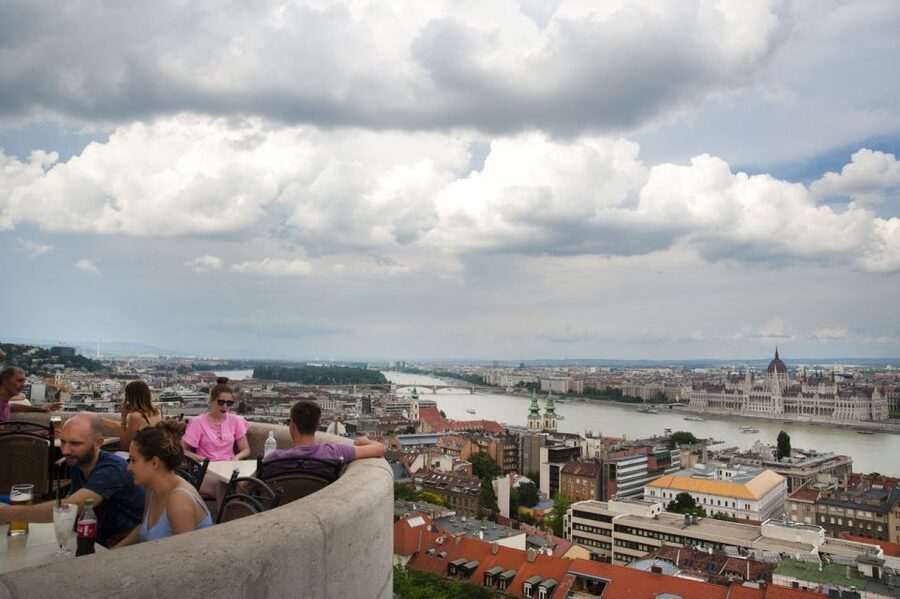
At $41 per person, the tour is not the cheapest way to see Budapest, but the price can make sense if you value a local guide and want a structured first look at both sides of the city.
The price includes the guide but not the four public transport tickets, which cost 1,400 HUF per person. You are paying mainly for interpretation, route planning, and the ability to ask questions as you go. That is more useful than it may sound in a city where a quick look at a building rarely explains its place in Hungarian life.
The tour is especially good value for a short Budapest stay. If you have only a day or two, you can cover several major areas without spending half your visit figuring out the transport system or reading scattered guidebook entries.
Private and small-group options are available. A private tour usually makes the most sense for families, couples with very specific interests, or anyone who wants to ask many questions about Communist-era life and local culture. A small group should give you a more personal feel without the full cost of arranging a private guide.
Weather, pace, and practical comfort
The tour runs outdoors, so Budapest weather matters. Guides have continued with the experience in heavy rain and bitter cold, but that does not mean you should arrive unprepared. Wear comfortable shoes and bring suitable rain or cold-weather gear when the forecast calls for it.
The route is not designed as an endurance test. The listed walking distance is about 1.5 kilometers, and public transport handles the river crossing. Still, you will spend three hours outside, stop near major monuments, and visit the Buda Castle district, so sensible footwear remains important.
The comfortable pace suits people who want time to listen and ask questions. It may feel slow if you only want quick photo stops, but the slower rhythm is exactly what lets the guide explain the city’s political and cultural background.
The activity is offered in English. The published information does not specify a fixed starting time, so you need to check availability for your date. Free cancellation is available up to 24 hours before the tour, and you can reserve now and pay later, which is useful when your Budapest plans are still moving around.
Who should book this walk
I would recommend this tour to first-time visitors who want a clear overview before choosing which museums, churches, and historic districts deserve a longer visit.
It also suits you if you care about modern European history. The discussion of Nazi and Communist rule gives the tour more weight than a standard monument walk, and the personal stories about life under Communist dictatorship help connect politics with everyday experience.
Families with older children and teenagers may find the format easier than a full museum visit. The route is short, the sights change, and the guide can answer questions as they arise.
This is less suitable if you want long interior visits, a food-focused walk, or a detailed tour of only Buda Castle. It is also not the best choice for someone who wants to avoid public transport or prefers to explore entirely at their own speed.
Should you book the Budapest walking tour?
Book it if you want to see the main central sights while learning how Budapest moved from medieval royal capital to 19th-century metropolis, dictatorship-era society, and modern democracy.
The strongest parts are the skilled guiding, the manageable walking distance, and the attention to hard subjects that many sightseeing tours skip. Guides such as Alexandra, Dalia, Dominik, Dominic, and Vikki have shown the warmth, clarity, and patience this kind of tour needs.
Allow for the extra 1,400 HUF transport cost, dress for the weather, and treat the tour as an orientation rather than a complete visit to every monument. At $41, it offers solid value when your time is short and you want Budapest explained, not merely displayed.
FAQ
Where does the Budapest walking tour begin?
The meeting point is next to St. Stephen’s Basilica, in front of the California Coffee Company coffee shop.
How long does the tour last?
The tour lasts three hours.
How much walking is involved?
The walking distance is approximately 1.5 kilometers, or about one mile. Public transport is used to cross the river.
Does the tour cover both Pest and Buda?
Yes. The route begins in central Pest and continues to the Buda side, including the Buda Castle area.
Which major sights are included?
The tour includes St. Stephen’s Basilica, the exterior of the Hungarian Parliament building, Buda Castle, and Matthias Church.
Is public transportation included in the price?
No. You need four public transport tickets per person, listed at 1,400 HUF in total.
What language is the tour offered in?
The live tour guide speaks English.
Is this a private tour?
Private and small-group options are available. Check the available format when selecting your date.
Can I cancel the booking?
You can cancel up to 24 hours in advance for a full refund.
Can I reserve now and pay later?
Yes. You can reserve your place and pay later, keeping your plans flexible.
Just added around Budapest
- Budapest: Danube River Views Bike Ride★ 4.8 · 23 reviews
- Budapest: City Bike Tour with Coffee Stop★ 5.0 · 37 reviews
- Budapest: Private Walking Tour with a Local Guide★ 3.6 · 6 reviews
- Budapest: Vacation Photographer to collect great memories★ 5.0 · 49 reviews
- Walk to recent and aged spiritual sanctuaries near Budapest★ 5.0 · 5 reviews
- From Budapest: Guided Tour of Eger with Wine Tasting★ 4.5 · 6 reviews
- Audio visual multi-sensory chefs journey dinner experience★ 5.0 · 3 reviews
- Budapest: 3-Hour Trabant Sightseeing Tour★ 4.7 · 28 reviews
Budapest Walking Tours, compared.
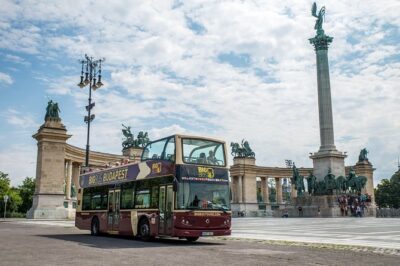
Big Bus Budapest Hop-On Hop-Off Bus and Walking Tour
Read our review →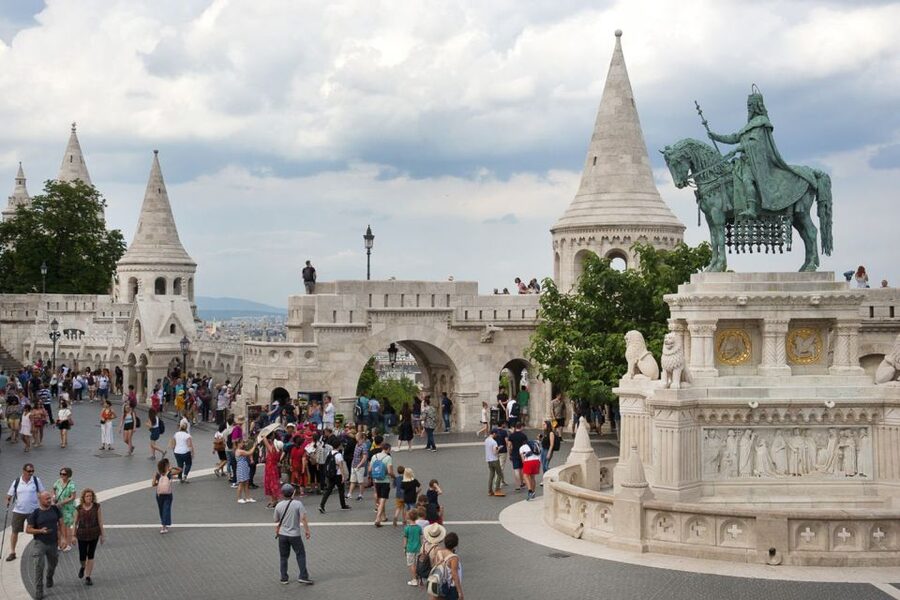
3-Hour Orientation Walking Tour of Buda and Pest
Read our review →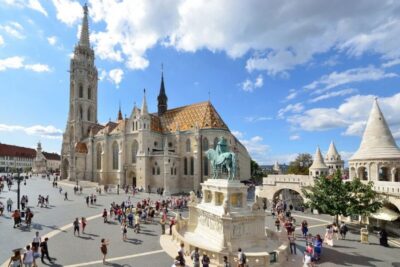
Budapest Historical Sightseeing – Free Walking Tour
Read our review →
Budapest All in One Small Group Walking Tour with Strudel Stop
Read our review →
Buda Castle District Walking Tour with a Historian
Read our review →Browse the lists this tour appears in