
Reviewed · BUDAPEST WALKING TOURS
Budapest : Highlights & Hidden Gems Walking Tour
Budapest gives you two cities for the price of one: flat Pest on one side of the Danube, hilltop Buda on the other. This private walking tour links the big sights between them, from Parliament and the Chain Bridge to Buda Castle, Matthias Church, and Fisherman’s Bastion. You also get a local guide who can adjust the route instead of delivering the same speech to a large crowd.
I like the personal format and the chance to ask practical questions as you go. I also like the useful mix of grand architecture, royal Buda, political history, and memorials such as the Shoes on the Danube Bank. The main caution is time: fitting this many famous places into three hours makes for a brisk outing, and some stops may be viewed from outside rather than explored at length.
Key points to know before booking
- A private group keeps the tour flexible: You can shape the visit around architecture, history, photography, or first-day orientation.
- The route crosses both sides of Budapest: Expect Parliament, the Chain Bridge, Buda Castle, and major Pest sights in one outing.
- The three-hour schedule is ambitious: You will see a lot, but this is an overview rather than a slow museum visit.
- Guides speak several languages: English, French, Italian, and Spanish are available.
- Specific guides have earned strong praise: Ferenc Vass is noted for excellent Italian, while Benjamin, Anikó Dömötör, and Alix are praised for clear explanations and personal recommendations.
- Public transport may be part of the route: Wear comfortable shoes and allow for a moving, citywide experience rather than a short neighborhood stroll.
Starting at Szervita tér and getting your bearings
The meeting point is in front of the Immaculata kegyoszlop at Szervita tér. This gives you a central starting place in Pest and makes sense for a route that moves toward the Danube and then over to Buda.
Your guide is not simply there to point at buildings. The best use of the first few minutes is to explain what you care about most. Tell the guide if you want more architecture, more political history, better photo stops, or advice for the rest of your stay. The tour can be customized, and that matters on a short schedule.
The private setup is especially useful for couples, families, or small groups with different interests. You can ask for a pause, request a photo, or change the balance of the tour without holding up a busload of people. Feedback about guides taking photographs, staying longer, and adjusting the pace suggests that this flexibility can be more than a promise on the booking page.
More walking tours in Budapest:
- Budapest: Buda Castle Walk with Saint Stephen’s Hall
★ 4.5 · 3,012 reviews - Big Bus Budapest Hop-On Hop-Off Bus and Walking Tour
★ 3.5 · 2,206 reviews - Budapest: Buda Castle District Walking Tour
★ 4.6 · 2,108 reviews
Parliament and the Danube: Budapest’s grand opening scene
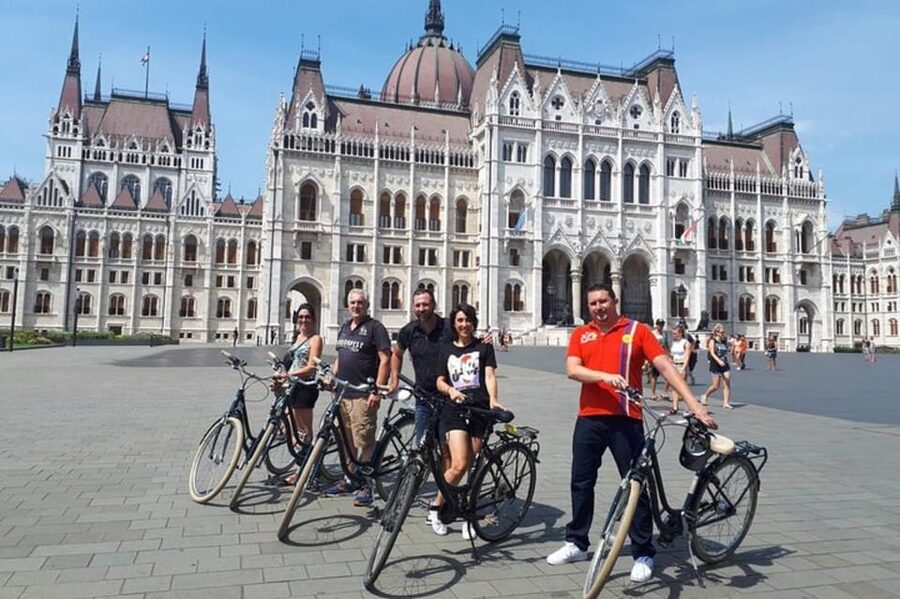
The Hungarian Parliament Building is an excellent first major stop. Its Gothic Revival design, riverfront setting, and role in Hungarian public life give your guide plenty to explain before you have even crossed the water.
The tour includes a guided visit to the Parliament area, but the information provided does not promise entry inside the building. Keep that distinction in mind. If you want an interior visit, ask the company to help arrange tickets, a service included for desired visits, rather than assuming the three-hour walk includes a full Parliament tour.
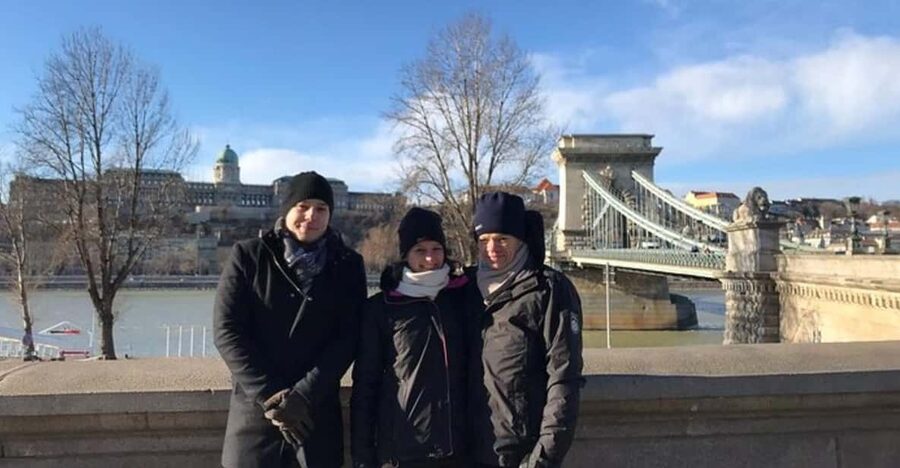
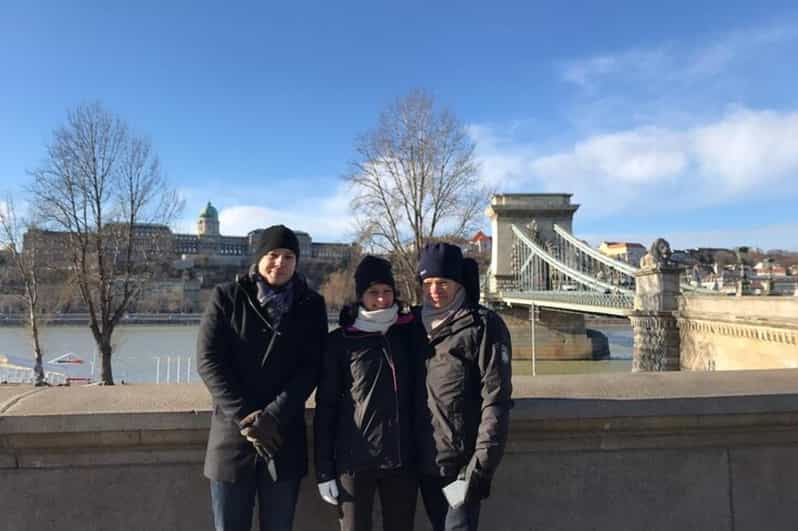
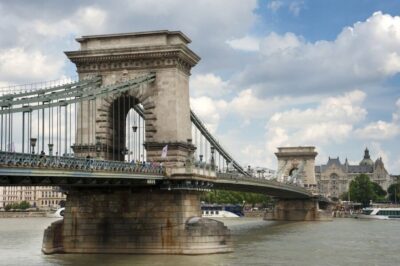
From here, the route continues toward the Chain Bridge. The bridge is one of Budapest’s clearest visual links between Pest and Buda, with the Danube below and the castle district rising ahead. It is also a useful lesson in the city’s layout. You can understand the basic shape of Budapest in one crossing: commercial Pest behind you, historic Buda in front.
A bridge crossing can take longer than it looks once you stop for views and photographs. In winter, the exposed riverfront can feel cold. One Italian guest described a guide continuing through snow to finish the route, but you should still dress for weather rather than count on heroic endurance.
Buda Castle and the climb into royal Budapest
Buda Castle shifts the mood from central-city grandeur to old royal territory. The palace complex sits above the river and gives your guide a natural place to explain Budapest’s changing rulers, wars, rebuilding, and the relationship between the castle district and the modern city below.
The stop is listed as a guided visit, but again, the tour details do not guarantee admission to every interior. You should think of this part as an introduction to the castle area, its setting, and its past. If you want museums or palace interiors, ask about tickets before the day of the tour.
The biggest value here is orientation. Budapest can feel like a collection of striking buildings until someone connects the river, the hills, the castle, and the boulevards. A private guide can answer the questions that arise naturally as you walk, such as why the royal district is on the hill or how Buda and Pest developed as separate urban centers.
The drawback is physical pace. The itinerary covers a large section of the city, and Buda is not flat. The activity is marked wheelchair accessible, but the exact route and any use of public transport are worth confirming if you have mobility needs.
Matthias Church and Fisherman’s Bastion

Matthias Church adds a more decorative note to the castle district. Its position in the heart of Buda makes it a strong stop for both architecture and religious history. The church is named in the itinerary as a guided stop, though the supplied details do not say that an interior ticket is included.
Nearby Fisherman’s Bastion is the classic viewpoint of the day. Its neo-Romanesque forms frame broad views over the Danube and Pest, including the Parliament area you saw earlier. This is where the route comes together visually. You have crossed from Pest, climbed into Buda, and can now look back at the city from above.
I would plan your expectations carefully. Fisherman’s Bastion is not a quiet secret, and its popularity is easy to understand. The value of having a guide here is not just finding the viewpoint. It is learning how to read the view, identifying the major buildings, and understanding why this side of the river became such a powerful symbol of Budapest.
Photography can also shape the pace. If pictures matter to you, say so at the start. The private format gives you a better chance of pausing than a fixed group tour would.
Same city, a completely different sort of day:
- Budapest: City Highlights Cruise with Welcome Drink
★ 4.6 · 35,610 reviews - Budapest: Unlimited Prosecco, Beer and Aperol Spritz Cruise
★ 4.8 · 25,310 reviews - Budapest: Széchenyi Spa Day Ticket with Optional Upgrades
★ 4.3 · 23,911 reviews - Budapest: Nighttime or Daytime Sightseeing Cruise
★ 4.2 · 21,062 reviews
Returning to Pest for St. Stephen’s Basilica
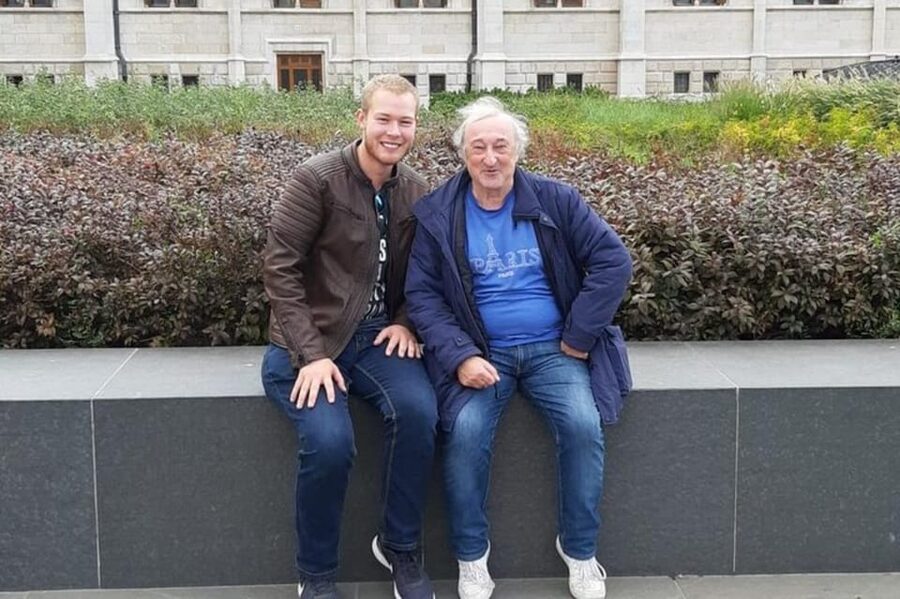
St. Stephen’s Basilica brings the route back into Pest and gives you another major architectural anchor. It is a Roman Catholic basilica named for Hungary’s first king, so the stop connects national identity, religion, and the city center.
The itinerary describes a guided stop, not a guaranteed interior visit. That is important because a quick exterior explanation and a full basilica visit are two different experiences. Ask your guide what can fit on the day, especially if you want time inside.
At this stage, you may notice the tour’s central challenge. Parliament, Buda Castle, Matthias Church, Fisherman’s Bastion, and the basilica are not next-door stops. Public transport is included in the standard format when needed, but the experience is still a walking tour. You are covering ground, not lingering at each landmark for an hour.
That makes the basilica particularly useful as part of a first look at the city. You get enough context to decide which places deserve a separate visit later.
Liberty Square and Budapest’s political story

Liberty Square adds a useful change of subject. It is a public square surrounded by business and residential buildings, and it gives the guide space to discuss modern Budapest rather than only royal monuments and churches.
This stop can be valuable because grand architecture often dominates a first visit. A square shaped by public life, government, and memory helps you see how Budapest works beyond its postcard views. Your guide can also help connect the square to the wider political story of Hungary.
The itinerary labels this stop Liberty Square, Novi Sad. Novi Sad is a city in Serbia, so the wording appears inconsistent with the rest of the Budapest route. The intended stop is likely Liberty Square in Budapest, but I would confirm the exact meeting and route details before booking if this point matters to you.
That small uncertainty does not erase the value of the stop, but it is a reason to ask a clear question. A private tour should be the easiest kind of experience to clarify because your guide can adapt the day around the places you actually want to see.
Andrassy Avenue and the city’s grand boulevard

Andrassy Avenue gives you a different view of Budapest. Instead of a single monument, you get a long urban composition of Neo-Renaissance mansions and townhouses. It is the kind of place where a guide helps you notice proportions, façades, and the way a boulevard was designed to project status.
This is also where the tour may feel less like a checklist. The avenue shows how Budapest presents itself as a capital city through scale and architecture. You can compare its formal buildings with the tighter lanes of the castle district and the open spaces beside the Danube.
The itinerary includes Andrassy Avenue as a guided stop, but does not specify how much of the boulevard you will walk. With only three hours, it will probably be an overview rather than a full-length stroll. If this is a priority, ask the guide to give it more time and accept that another stop may receive less attention.
The Shoes on the Danube Bank memorial

The Shoes on the Danube Bank memorial is one of the most serious moments of the route. The installation honors people killed during the Arrow Cross rule, using iron shoes placed along the riverbank as a reminder of those who were forced to remove their footwear before being shot.
This is not a decorative sightseeing stop. It asks you to pause and consider one of Hungary’s darkest periods, and it gives the riverfront a human meaning that architecture alone cannot provide. A guide can provide essential context and help you approach the memorial with the respect it deserves.
There is a small planning issue here: the main itinerary lists the memorial in the experience description but does not include it among the numbered stops. Since it is an important part of the stated route, confirm that it is included on your chosen version of the tour. A customized private tour makes that request straightforward.
What the three-hour format really delivers
Three hours is enough to get your bearings, learn the basic shape of Budapest, and collect ideas for the rest of your stay. It is not enough for long interior visits at Parliament, Matthias Church, St. Stephen’s Basilica, and Buda Castle, plus relaxed walks at every stop.
I would treat this as a city overview with a personal guide, not a museum tour. You will likely gain more from the explanations, route planning, and local advice than from the length of time spent inside any one building.
The experience includes walking and public transport unless you choose another option. Food and drinks are not included, so plan to eat before or after. Since the route crosses a wide section of Budapest, comfortable shoes are a sensible choice even if you intend to use transport for part of the day.
The language choice is a real advantage. Tours are offered in English, French, Italian, and Spanish. Ferenc Vass has been singled out for excellent Italian, while Benjamin is praised for giving clear information and answering questions. Anikó Dömötör is described as precise and clear, and Alix is noted for taking time with history and offering recommendations suited to the group’s interests.
Those details point to the most useful feature of the tour: the guide can shape the experience around you. If you are visiting for the first time, ask for practical advice on what to do next. If you already know the major sights, use the private format to request more context, better viewpoints, or places that match your interests.
Is $35 a fair price?
At $35 per person, the price is attractive for a private three-hour outing, especially if your group is small. You are paying for a guide who can customize the route, answer questions in real time, and help arrange tickets for visits you want to add.
The value depends on how you use the time. A private tour costs more than joining a large free walk, but it gives you more control and avoids a one-size-fits-all script. For a first morning in Budapest, the local advice may save you time later by helping you choose which sights deserve a separate visit.
Do not read the price as proof that every major building includes entry. Food and drinks are excluded, and the supplied information does not promise admission to the interiors of Parliament, Matthias Church, St. Stephen’s Basilica, or Buda Castle. Ask about ticket costs and availability if entering these places is important to you.
Cancellation is flexible up to 24 hours before the start for a full refund, and you can reserve now and pay later. The tour is offered as a private group, and wheelchair access is listed, though route details should be confirmed in advance.
Who should book this Budapest walk?
I would recommend it most strongly for a first visit, a short stay, or anyone who wants an efficient introduction before exploring alone. Families and small groups will benefit from the private format, especially when different people want different amounts of history, photography, or walking.
It also suits returning visitors who want to hand the planning over to a local for three hours. Tell the guide which parts of Budapest you have already seen and ask for a different emphasis.
I would hesitate if your main goal is a slow, detailed interior tour of the Parliament or castle museums. The route covers too much ground for that. I would also confirm the Liberty Square wording and the inclusion of the Shoes memorial before booking, since those details are presented inconsistently.
Final verdict: a useful first look with the right expectations
Book this tour if you want to see Budapest’s major landmarks in one private outing and come away with a clearer plan for the rest of your time. The combination of Parliament, the Chain Bridge, Buda Castle, Fisherman’s Bastion, St. Stephen’s Basilica, Andrassy Avenue, and the Danube memorial gives you a strong first picture of the city.
The best reason to choose it is the guide. Ferenc Vass, Benjamin, Anikó Dömötör, and Alix are praised for language skills, clear history, patience, photography help, extra time, and personal recommendations. Just remember that three hours moves quickly. Confirm the exact route, request your priorities early, and treat the experience as a smart introduction rather than the last word on Budapest.
FAQ
Where does the Budapest walking tour start?
The meeting point is in front of Immaculata kegyoszlop at Szervita tér.
How long does the tour last?
The tour lasts three hours. Starting times depend on availability.
Is the tour private?
Yes. The tour is private and exclusive, so no one else will be added to your group.
Which languages are available?
The live guide option is available in English, French, Italian, and Spanish.
Are food and drinks included?
No. Food and drinks are not included in the tour price.
Can the tour be canceled for a full refund?
Yes. You can cancel up to 24 hours in advance for a full refund. You can also reserve now and pay later.
Just added around Budapest
- Budapest: City Bike Tour with Coffee Stop★ 5.0 · 37 reviews
- Budapest: Private Walking Tour with a Local Guide★ 3.6 · 6 reviews
- Budapest: Danube River Views Bike Ride★ 4.8 · 23 reviews
- Budapest: Vacation Photographer to collect great memories★ 5.0 · 49 reviews
- Walk to recent and aged spiritual sanctuaries near Budapest★ 5.0 · 5 reviews
- From Budapest: Guided Tour of Eger with Wine Tasting★ 4.5 · 6 reviews
- Audio visual multi-sensory chefs journey dinner experience★ 5.0 · 3 reviews
- Budapest: 3-Hour Trabant Sightseeing Tour★ 4.7 · 28 reviews
Budapest Walking Tours, compared.
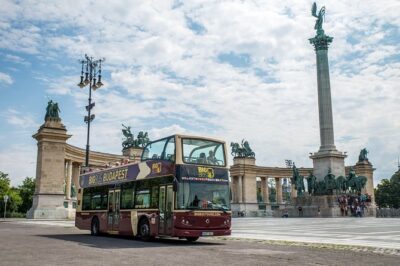
Big Bus Budapest Hop-On Hop-Off Bus and Walking Tour
Read our review →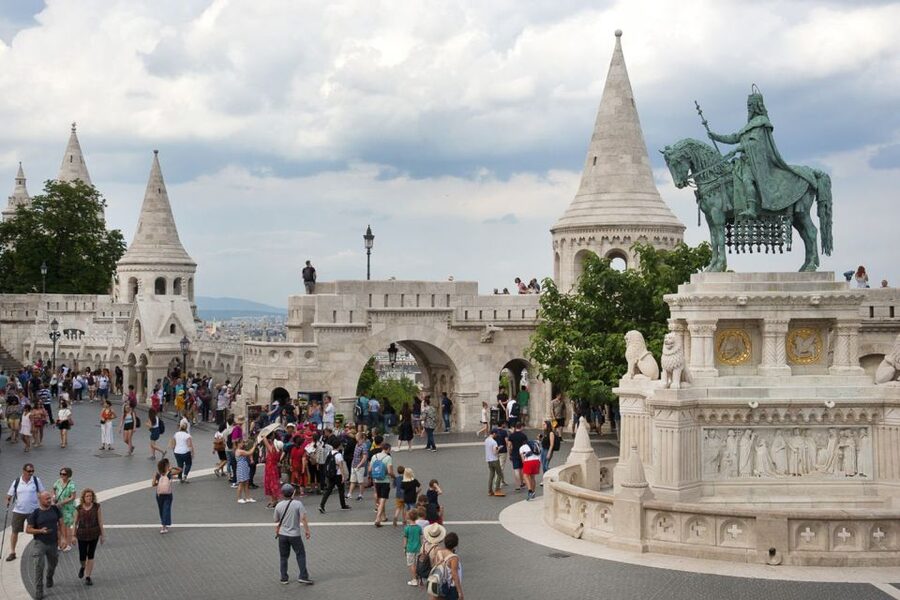
3-Hour Orientation Walking Tour of Buda and Pest
Read our review →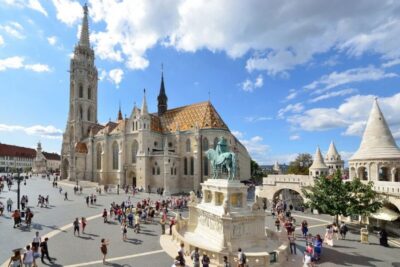
Budapest Historical Sightseeing – Free Walking Tour
Read our review →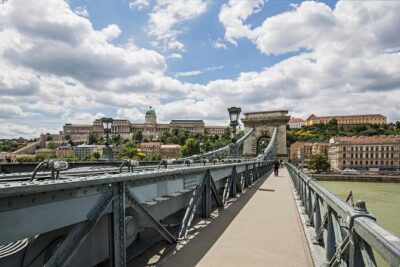
Budapest All in One Small Group Walking Tour with Strudel Stop
Read our review →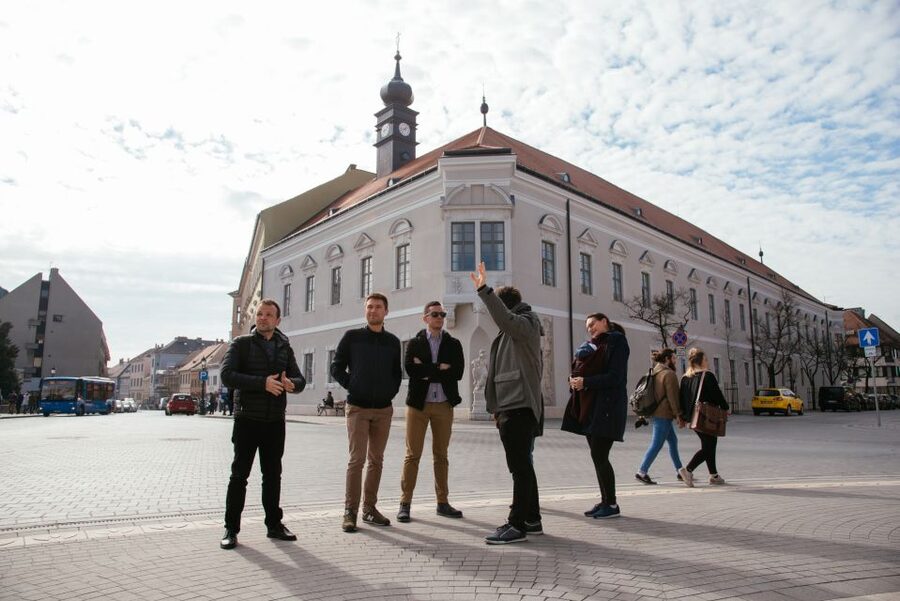
Buda Castle District Walking Tour with a Historian
Read our review →Browse the lists this tour appears in