
Reviewed · BUDAPEST WALKING TOURS
Alternative Budapest Walking Tour
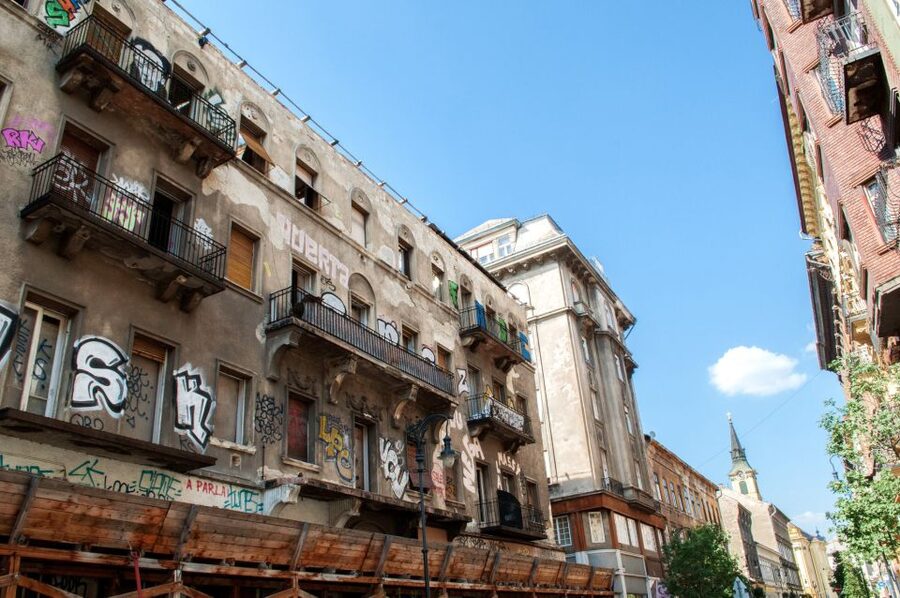
Budapest’s alternative culture is easiest to understand on foot, one mural, courtyard, café, and ruin bar at a time. This tour leads you away from the grand sights and into the Jewish Quarter, where old buildings now hold galleries, design shops, music spaces, cafés, and informal cultural centers. It is less about checking off monuments and more about seeing how Budapest is changing.
I like the small groups of up to 10, which give you room to ask questions and shape the conversation. I also like the practical local advice: guides such as Petra, Raymond, Krisztián, Anna, and Ray have helped visitors understand not only the art, but also where to go for drinks, music, food, and further exploring. The main drawback is price. At $67 per person, this is not a bargain walking tour, especially since drinks and any entrance fees are extra.
Key points to know before you book
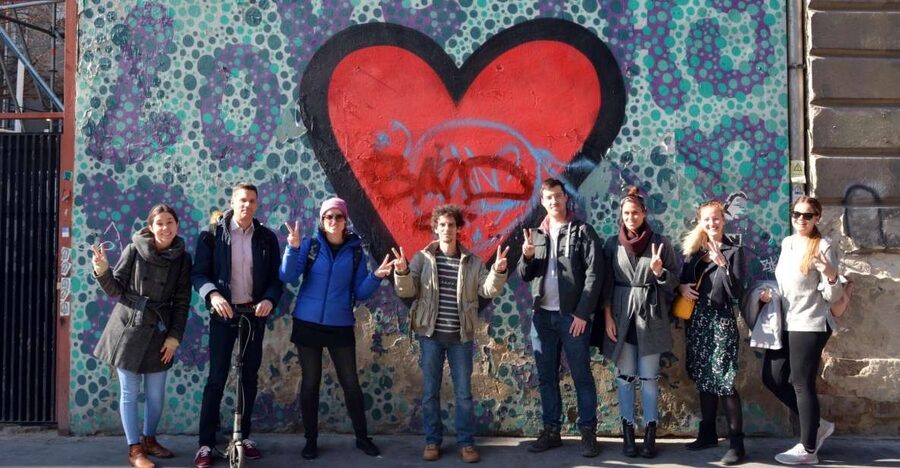
- The Jewish Quarter is the main stage: Expect street art, old buildings, cafés, galleries, design shops, and ruin bars in one of Budapest’s most changing districts.
- The focus is modern Budapest: The tour explains underground music, fashion, art, local politics, and community spaces, with history used to make the present easier to understand.
- Groups stay small: A maximum of 10 people makes conversation with the guide much easier than on a large city walk.
- Ruin bars are treated as cultural spaces: You may see more than a place to have a drink, including workshops, photography, art, and community activity.
- Good guides shape the experience: Past tours have been led by Petra, Raymond, Ray, Anna, Bella, Antonia, Zsophia, and Krisztián, among others.
- Wear sensible shoes: This is a 2.5-hour walking tour with no hotel pickup, and it is not suitable for wheelchair users or people with mobility impairments.
Why this Budapest walk feels different
Most first visits to Budapest concentrate on the Danube, Parliament, Buda Castle, thermal baths, and grand nineteenth-century architecture. Those sights deserve their place, but they tell only part of the city’s story.
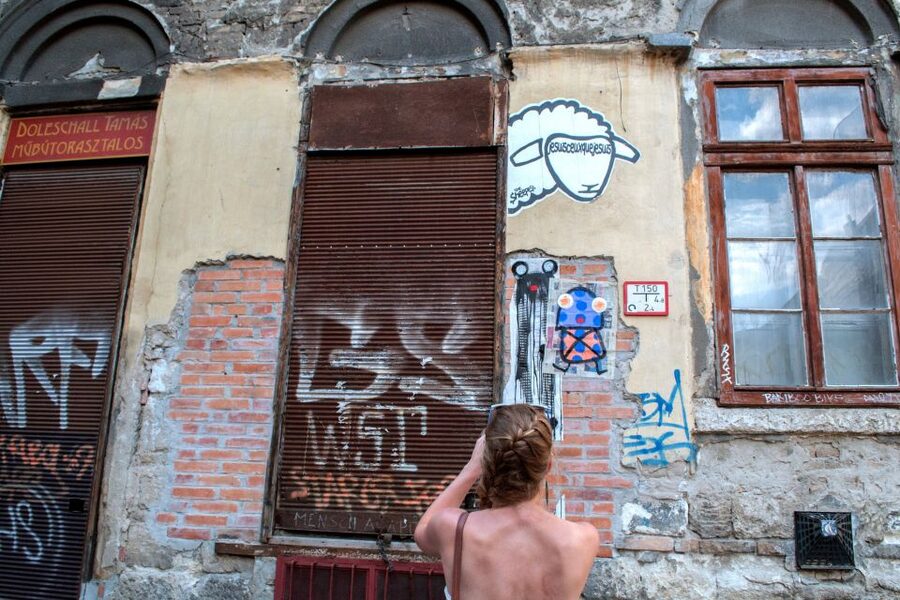
This walk turns your attention to the streets where older buildings have been reused by artists, small businesses, musicians, and community groups. The result is a more current view of Budapest. You learn how neglected districts became desirable, how street art can comment on public life, and why a ruin bar may function as more than a nightclub.
I like that the tour does not simply point at a mural and move on. The guide explains local artists, graffiti writers, architecture, and the social changes behind the district. One guide has even explained why paint appears on sidewalks and how Hungarians approach architecture differently. Details like that give you a better way to read the city after the tour ends.
The experience is conducted in English, and the strongest part is the conversation. The guides are described as friendly, casual, funny, and easy to understand. That matters here because alternative culture is not a subject with a fixed list of sights. A good guide connects the pieces and answers the questions that occur to you as you walk.
More walking tours in Budapest:
- Budapest: Buda Castle Walk with Saint Stephen’s Hall
★ 4.5 · 3,012 reviews - Big Bus Budapest Hop-On Hop-Off Bus and Walking Tour
★ 3.5 · 2,206 reviews - Budapest: Buda Castle District Walking Tour
★ 4.6 · 2,108 reviews
Starting near the pale yellow Lutheran Church
The meeting point is in front of the pale yellow Lutheran Church, on the church steps. You should arrive with comfortable shoes, comfortable clothing, and clothing suited to the weather. Hotel pickup and drop-off are not included, so plan your route to the meeting point before setting out.
The tour lasts about 2.5 hours, although the description also refers to a three-hour format. Allow at least that amount of time, and a little extra if the group stops for a drink or continues chatting at the end. Starting times vary, so check the selected date carefully.
A small group changes the mood right away. You can hear the guide without straining, and it is practical to ask about a café, a club, a neighborhood, or a place to return to later. Several guides have been praised for making the walk feel personal rather than scripted. One group even stayed together for a drink after the official tour ended.
Reading street art in the Jewish Quarter
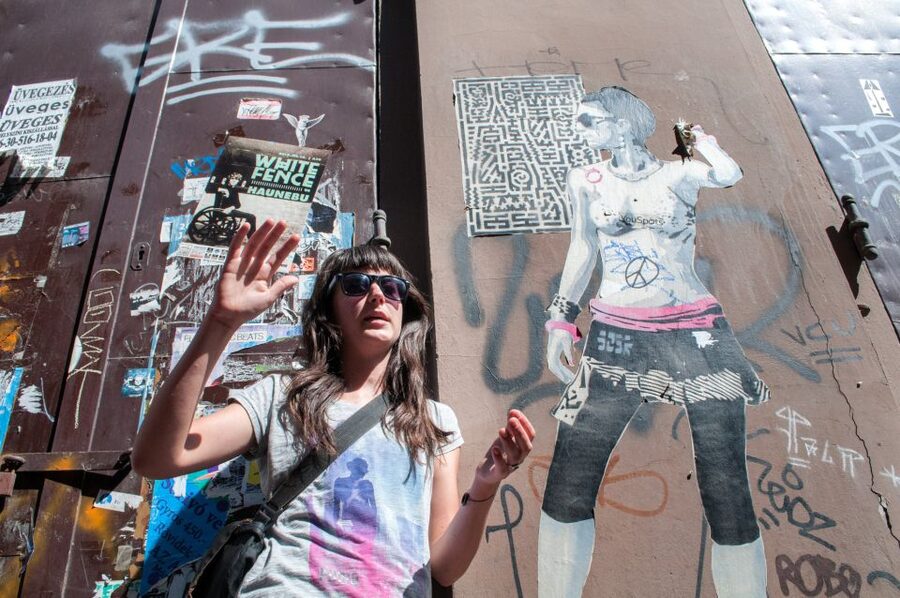
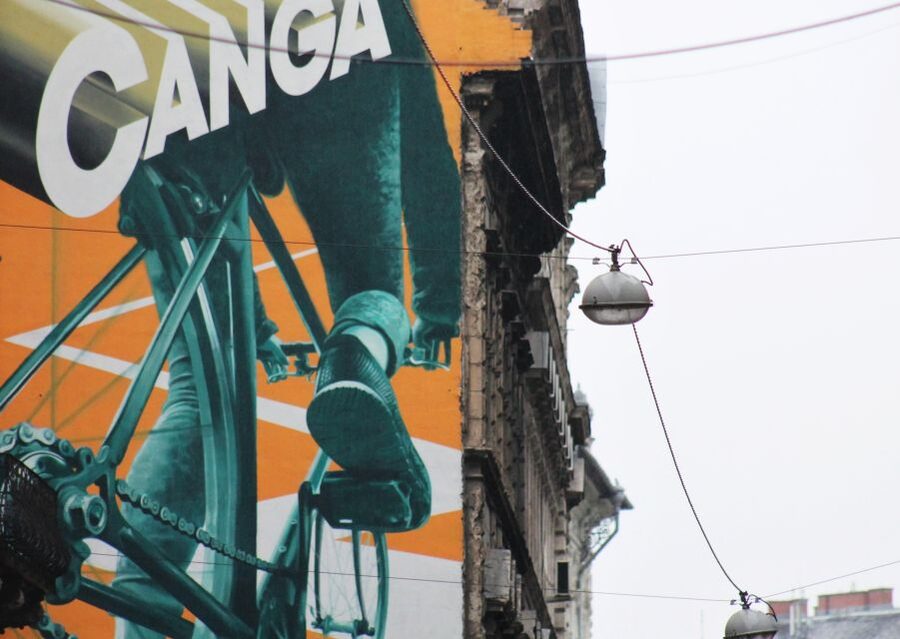
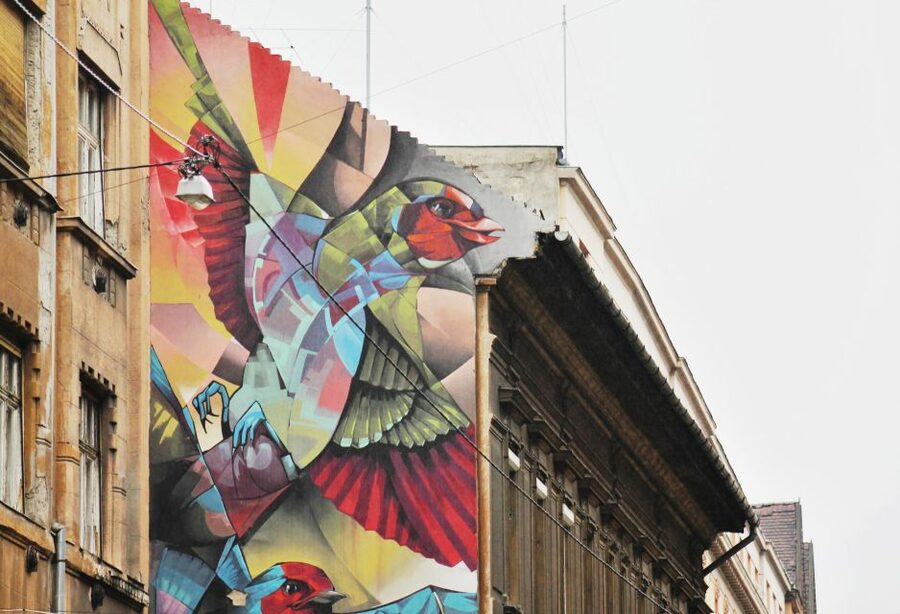
The Jewish Quarter, particularly the old seventh district, is central to this experience. You will see murals and other forms of street art, but the point is not simply to photograph colorful walls. The guide explains how the art fits into Budapest’s local culture and how the district has changed.
This is a useful contrast with a standard history walk. You may hear about the older Jewish community, abandoned synagogues, wartime damage, postwar neglect, and later renewal, but the emphasis remains on what the district has become. Restaurants, cafés, bars, design shops, galleries, and studios now occupy spaces that once stood empty or underused.
That contrast is one of the tour’s best teaching tools. A worn façade can reveal more than its appearance suggests. A mural may reflect politics, memory, humor, or a local artist’s response to the city. The guide helps you connect what you see on the wall with the street around it.
The art is also changing. A painted wall may be covered, altered, or replaced, so the exact stops cannot be treated as permanent attractions. That is a strength as much as a limitation. The walk presents Budapest as a living scene, not an outdoor museum frozen in place.
From graffiti writers to independent design shops
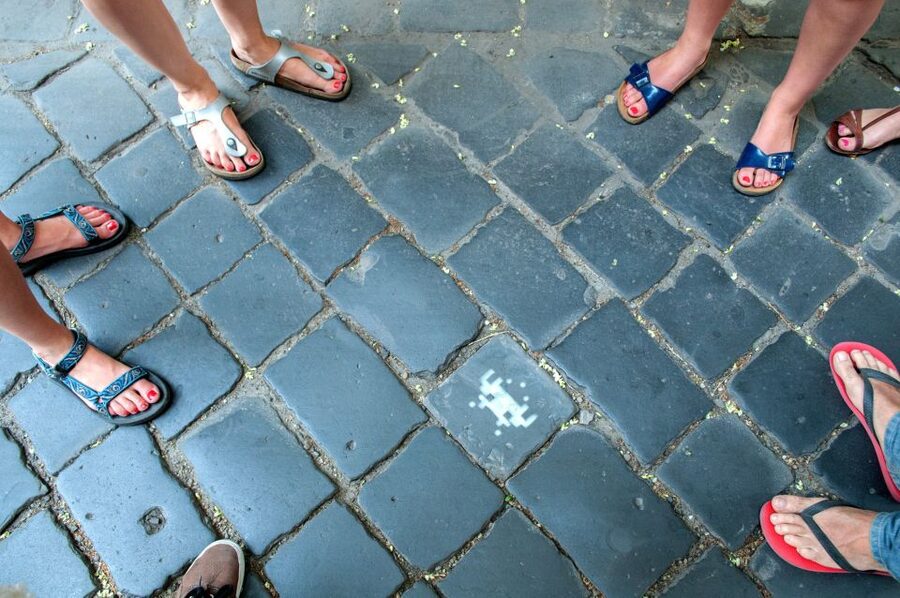
The tour also reaches beyond large murals. Expect smaller-scale creative places such as design shops, bookshop cafés, studios, and art galleries. One stop has included Printa, an eco-design shop where the group could pause for coffee. Another outing included a bookshop café.
These stops give the walk a useful rhythm. Two and a half hours of street walking can feel long, especially in cold weather, but an indoor pause makes the experience more comfortable. A past winter group stopped for coffee and mulled wine, which is a sensible reminder to dress for the forecast rather than for the calendar.
The shops and cafés matter because they show how local creativity becomes part of ordinary city life. You are not only looking at finished art. You are seeing places where people sell designs, meet friends, work on projects, or build small businesses.
Do not expect a long shopping session or guaranteed purchases at every stop. The tour is primarily a walking and conversation experience. The value comes from context and access to places you might not notice on your own, not from a formal gallery program or included tastings.
Same city, a completely different sort of day:
- Budapest: City Highlights Cruise with Welcome Drink
★ 4.6 · 35,610 reviews - Budapest: Unlimited Prosecco, Beer and Aperol Spritz Cruise
★ 4.8 · 25,310 reviews - Budapest: Széchenyi Spa Day Ticket with Optional Upgrades
★ 4.3 · 23,911 reviews - Budapest: Nighttime or Daytime Sightseeing Cruise
★ 4.2 · 21,062 reviews
Understanding ruin bars beyond the nightlife
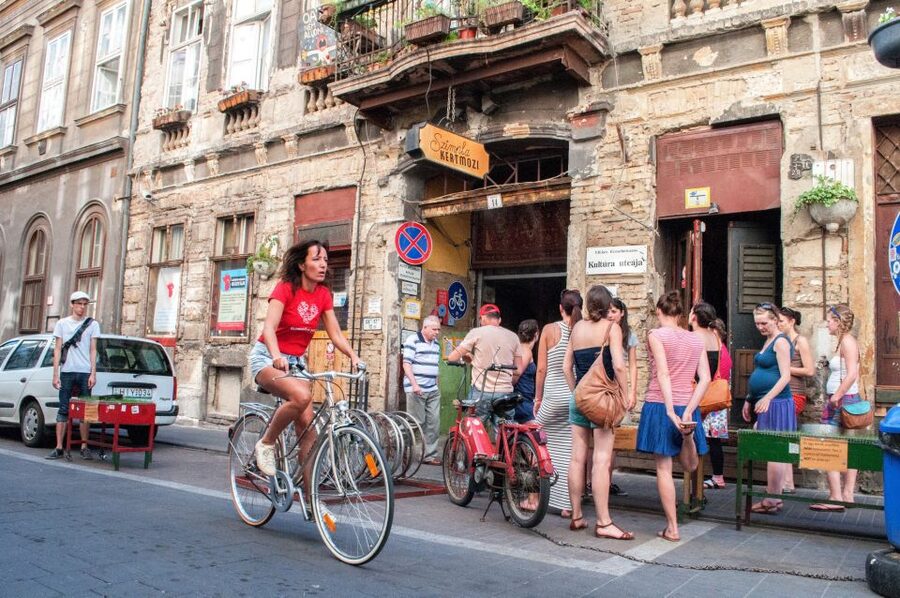
Ruin bars are one of Budapest’s best-known alternative attractions, and this tour places them in a wider setting. Szimpla Kert has been a featured stop, with rooms arranged around a courtyard and filled with mismatched objects, including a Trabant turned into seating. It is an unusual place even if you are not interested in nightlife.
The useful point is that ruin bars are not presented only as places for tourists to drink. The tour explains their role in the revival of the entertainment district and may connect them with community activity, workshops, art, photography, and local gatherings. A ruin bar can be noisy and crowded later in the evening, but seeing one during a daytime walk gives you a chance to notice its layout and details.
The experience may also include a ruin bar that works as a community center, bike workshop, and analogue photography gallery. Exact stops can change, which is important to understand before booking. You are buying access to the district’s alternative culture, not a guaranteed list of named venues.
Drinks are not included. If you stop for coffee or beer, you pay separately. I see this as a modest extra cost, but you should remember it when comparing the $67 tour price with a basic free walking tour.
Music, politics, and the Budapest of today
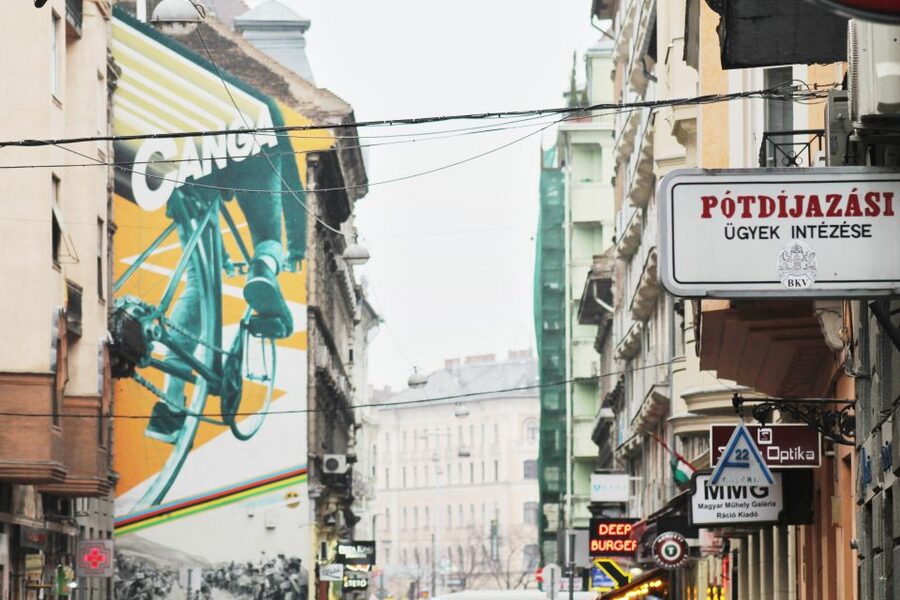
This walk is at its best when it explains the forces behind the places you visit. Guides have discussed underground music, local politics, architecture, and everyday life. One outing included a visit to the A38 ship bar and venue during a sound check, though you should not assume that this particular venue will be part of every departure.
That example shows the range of the subject. The tour is not only about murals in the Jewish Quarter. It may touch on music spaces, independent artists, youth culture, changing neighborhoods, and the way Budapest’s residents use old buildings for new purposes.
The historical background remains important. The guide may explain the Jewish community and the district’s past, but this is not designed as a full Jewish heritage tour. If your main goal is a detailed account of religious sites, deportation history, or synagogue architecture, choose a specialist Jewish Quarter tour instead. Here, history supports the discussion of modern culture.
I appreciate that balance. The past is not ignored, but it does not swallow the present. You leave with a clearer sense of why this part of Budapest looks the way it does now.
How the guides shape the walk
The guide makes a major difference because the route is flexible and the subject is broad. Petra has been praised for her warmth and energy. Raymond and Ray have led groups through murals, shops, ruin bars, and old Jewish Quarter streets while adding background stories. Krisztián has been particularly useful for groups wanting to ask many questions, and Anna has been noted for adding stops or information beyond the basic route.
Other named guides have included Bella, Antonia, Zsophia, and Bogi. The strongest pattern is not a single personality or presentation style. It is the combination of local knowledge, an informal manner, and a willingness to talk with the group.
You should use that opportunity. Ask where to hear live music, which ruin bars feel less commercial, which cafés are worth returning to, or what neighborhood to explore next. The tour is often most valuable when you treat it as an orientation session for the rest of your stay.
English ability has generally been strong, but the tour does require you to follow an English-speaking guide for several hours. One older assessment specifically advised that you need very good English. If you prefer a quiet, visual walk with little explanation, this may feel talk-heavy.
What the $67 price buys you
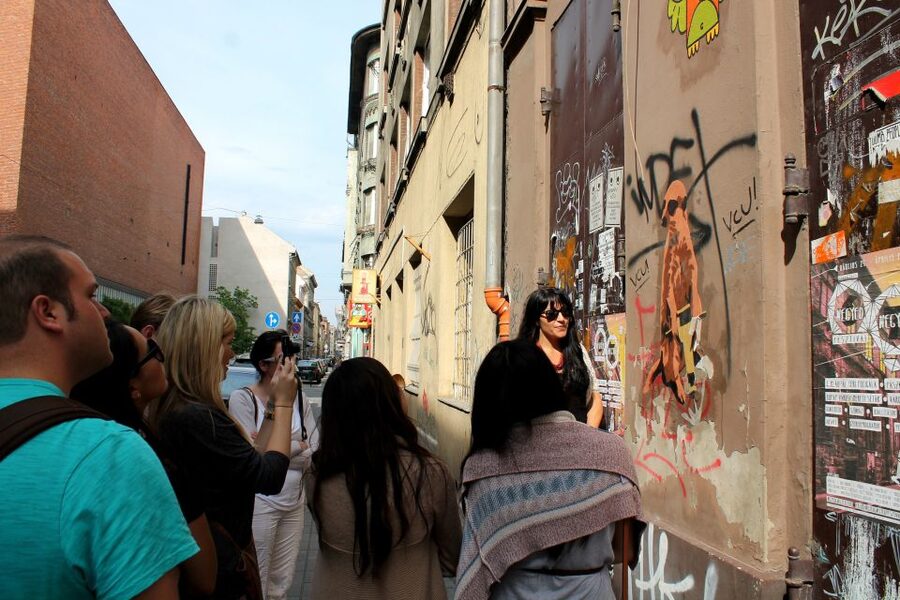
At $67 per person, the price is higher than a simple orientation walk. You are paying for a small group, a professional local guide, and access to a more specialized subject. The limit of 10 people is important. It allows questions, keeps the group together in narrow streets, and makes a café or bar stop more manageable.
The value is strongest if you are curious about contemporary Budapest and would otherwise spend hours trying to find these places yourself. A local guide can explain what you are looking at and save you from confusing a genuine cultural space with a venue designed mainly for tourists.
The value is weaker if you mainly want famous landmarks, included food, or a structured museum-style tour. There are no entrance fees included, and food and drinks are extra. The tour also does not provide transportation or hotel pickup.
I would book it early in a short Budapest visit, ideally near the beginning. That way, the advice about cafés, galleries, bars, shops, and music venues can guide the rest of your time. If you are already familiar with street art and independent culture, the walk may offer less new material, although the district context and local stories can still make it worthwhile.
Weather, walking, and access
This is an outdoor walking experience, so weather matters. Wear shoes you can use comfortably for 2.5 hours and bring a coat, rain layer, or warm clothing when needed. Cold conditions have not stopped the tour, but indoor pauses become especially welcome in winter.
The route is not suitable for people with mobility impairments or wheelchair users. The information provided does not give a detailed step count, pavement description, or route profile, so ask the local partner before booking if you have concerns about stairs, uneven surfaces, or long periods of walking.
There is no included meal. A coffee or beer may be part of the atmosphere, but you should carry money for anything you want to buy. The tour ends with you better oriented in the district, not with transport back to your hotel.
Cancellation is flexible up to 24 hours before the start for a full refund, and you can reserve now and pay later. Those terms help if your Budapest plans are still shifting.
Who should book this walk?
I recommend the Alternative Budapest Walking Tour to you if you enjoy street art, independent shops, live music, informal cultural spaces, and neighborhood stories. It also suits repeat visitors who have already seen the main sights and want a current view of the city.
It is a particularly good choice for anyone who likes asking questions. The small group and local guide make the experience more useful than a fixed speech delivered to a crowd. Couples, friends, and solo visitors can all fit comfortably into the format, provided they are happy walking and listening in English.
I would choose a different tour if you want a full survey of Budapest’s major monuments, a dedicated Jewish heritage program, or a tour with food and admission fees included. The alternative culture here is the subject, not a side note.
Should you book the Alternative Budapest Walking Tour?
Book it if you want Budapest beyond Parliament, Buda Castle, and the standard postcard views. The strongest reasons are the small group, the changing street-art route, and the chance to learn how ruin bars, cafés, galleries, music venues, and creative shops fit into the city’s recent life.
The price is the main question. At $67, it asks more than a basic city walk, so I would book only if the subject genuinely interests you. For the right person, the guide’s local advice and the access to Budapest’s less obvious cultural spaces can shape the rest of the trip. Start with it early, bring good shoes, and treat the route as a guided introduction to a city that keeps changing.
FAQ
Where does the Alternative Budapest Walking Tour meet?
Meet the guide on the steps in front of the pale yellow Lutheran Church in central Budapest.
How long does the tour last?
The listed duration is 2.5 hours. The description also refers to a three-hour walking tour, so allow roughly three hours in your schedule.
What language is the tour conducted in?
The live tour guide speaks English.
How many people are in the group?
The group is limited to 10 participants.
Is food or drink included?
No. Food and beverages are not included, and any coffee, beer, or other purchases are paid for separately.
Is the tour suitable for wheelchair users?
No. The activity is not suitable for wheelchair users or people with mobility impairments.
Can I cancel the booking?
Yes. You can cancel up to 24 hours in advance for a full refund. The reserve-now, pay-later option is also available.
Just added around Budapest
- Budapest: Danube River Views Bike Ride★ 4.8 · 23 reviews
- Budapest: City Bike Tour with Coffee Stop★ 5.0 · 37 reviews
- Budapest: Private Walking Tour with a Local Guide★ 3.6 · 6 reviews
- Budapest: Vacation Photographer to collect great memories★ 5.0 · 49 reviews
- Walk to recent and aged spiritual sanctuaries near Budapest★ 5.0 · 5 reviews
- From Budapest: Guided Tour of Eger with Wine Tasting★ 4.5 · 6 reviews
- True Crime Walking Tour in the Buda Castle district★ 5.0 · 26 reviews
- Audio visual multi-sensory chefs journey dinner experience★ 5.0 · 3 reviews
Budapest Walking Tours, compared.

Big Bus Budapest Hop-On Hop-Off Bus and Walking Tour
Read our review →
3-Hour Orientation Walking Tour of Buda and Pest
Read our review →
Budapest Historical Sightseeing – Free Walking Tour
Read our review →
Budapest All in One Small Group Walking Tour with Strudel Stop
Read our review →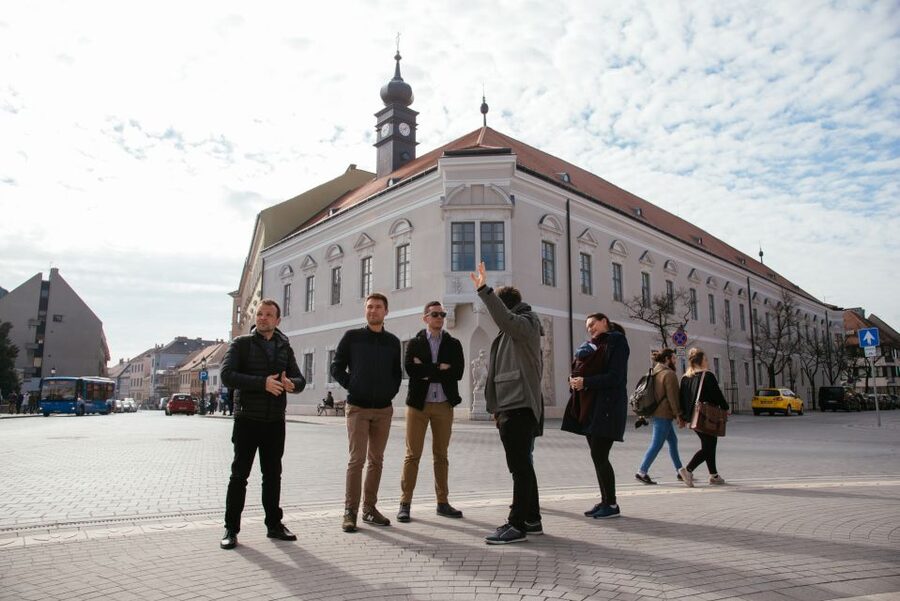
Buda Castle District Walking Tour with a Historian
Read our review →Browse the lists this tour appears in