
Reviewed · BUDAPEST MARKET HALL TOURS
Budapest: Central Market Hall Guided Food Tour with Tastings
Budapest’s Central Market Hall is at its best when you stop treating it as a place to buy souvenirs and start tasting your way through it. This short tour leads you from stall to stall with Hungarian salami, sausage, cheese, paprika and three kinds of honey, then explains the country’s wines on a large 3D map. The food is the main event, not a lecture in disguise.
I like the tour’s compact design and its useful take-home advice. In 40 minutes, you get a quick introduction to Hungarian eating, plus a digital 12-site restaurant guide, a small Hungarian recipe book and a WineGuide. I also like that the tasting focuses on products you can recognize and buy later, rather than serving one anonymous plate. The main catch is that it is in German, and warm dishes such as goulash and wines are not included.
Key points at a glance
- Taste five classic food categories: Hungarian salamis and sausages, cheese, paprika and three local honeys.
- Use the 3D map of Hungary: The wine discussion connects regional wine areas with the country’s geography.
- Learn the local drink vocabulary: Pálinka and fröccs are explained, but wine itself is not part of the tasting.
- Keep the timing short: The tour lasts about 40 minutes, making it easy to add before or after other central Budapest plans.
- Meet at the correct entrance: Go to the side entrance at Sóház utca 2 and look for the guide’s red GastroGuides Budapest sticker.
- Know the limits: This is a cold-food tasting in German and is only partly suitable for vegetarians or vegans.
Why the Central Market Hall makes a useful classroom
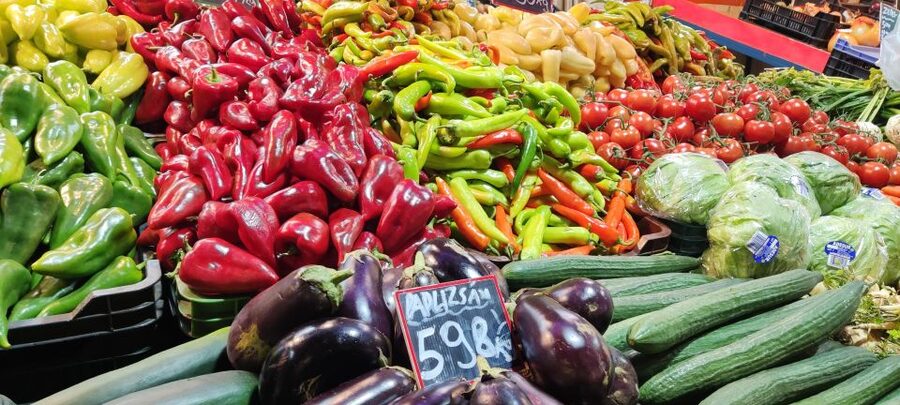
The Central Market Hall was built in 1895, and the setting gives the tasting a practical sense of place. You are not sitting in a restaurant waiting for a prepared menu. You move through the hall, stopping at different shops and looking at the products in the same kind of setting where locals buy food.
That matters because Hungarian cuisine can seem broader than the usual goulash-and-paprika shorthand. Here, you get a fast look at preserved meats, dairy, spices, sweeteners and drinks. The tour does not try to serve a full meal. Instead, it gives you a vocabulary for the market and for later restaurant visits.
I would think of this as an introduction rather than a long food crawl. The 40-minute length keeps the commitment small, which is useful if you are fitting the market between other sights. It also means the guide has to keep moving. You should expect focused explanations and several samples, not a leisurely afternoon of eating.
More market hall visits in Budapest:
- Budapest Cooking Class & Market Tour with Local Guide & Wines
★ 5.0 · 553 reviews - Budapest: Hungarian Cuisine in the Market Hall (german)
★ 4.8 · 146 reviews - Hungarian Cooking and optional Local Market Tour
★ 4.5 · 98 reviews
Beginning at Sóház utca 2
The meeting point is the side entrance of the market at Sóház utca 2. This detail is worth taking seriously because the hall has more than one entrance, and arriving at the wrong side can cost precious minutes on a short tour.
Look for the guide carrying a red sticker marked GastroGuides Budapest. The activity ends back at the same meeting point, so you do not need to plan a separate return route. The guide is identified as Gábor Glasner, and the tour language is German. If you need an English-language experience, this is not the right booking.
A short tour benefits from a prompt arrival. I would give myself enough time to locate Sóház utca 2 before the start, particularly because a missed first few minutes could mean missing the explanation of the market or the first tasting.
Salami, sausage and the role of meat
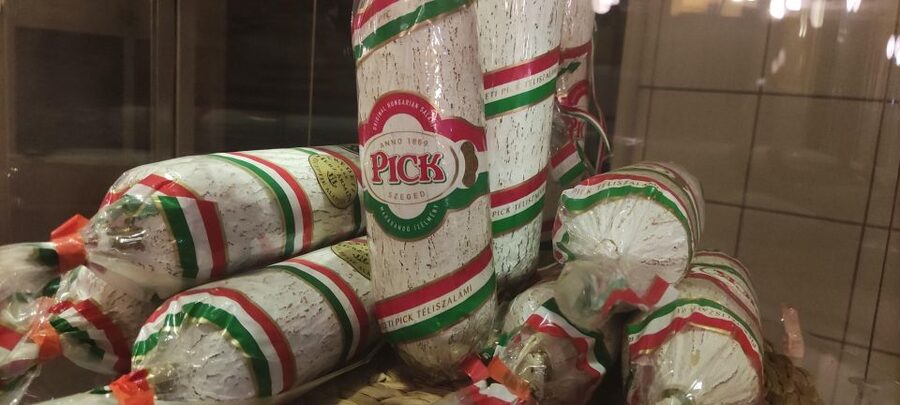
The first food stops focus on Hungarian salamis and sausages. These are a sensible starting point because preserved meats are central to the country’s everyday food culture and easy to taste in small portions.
You can compare products as you walk, rather than trying to remember a single sample at the end. The format also helps you notice the difference between food sold as a market product and a cooked dish served in a restaurant.
This part is less suitable for vegetarians and vegans. Meat plays an important role in Hungarian cuisine, and the tour is only partly suited to people avoiding it. The description does not promise plant-based alternatives, so I would not book this expecting a vegetarian tasting with a few substitutions.
For meat eaters, the value is practical. You can learn what kinds of sausage and salami are worth looking for, then use that knowledge while shopping or ordering elsewhere. The cold format also makes the tasting quick and easy to manage within the 40-minute schedule.
Paprika beyond the red powder
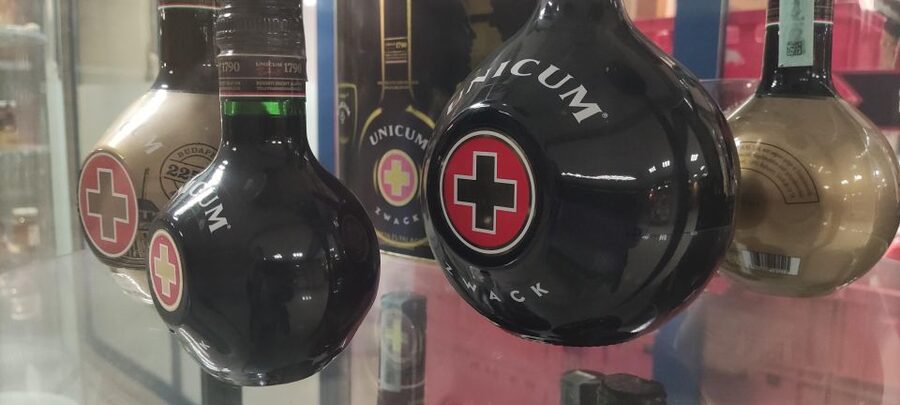
Paprika is one of Hungary’s most familiar food symbols, but the tour treats it as more than a bright red decoration. You taste different types and learn how they fit into Hungarian cooking.
That is useful because paprika can mean several things in a kitchen. A mild seasoning, a stronger pepper, and a product bought as a gift do not all serve the same purpose. Tasting more than one type gives you a better sense of what you are buying when you see rows of paprika at the market.
This is also one of the tour’s strongest shopping advantages. A market can be visually crowded, and packaged spices often look similar. A guide can help you connect the labels and colors with actual flavor before you spend money on a packet to take home.
The tasting remains simple rather than elaborate. You should expect samples of typical products, not a cooking demonstration or a lesson in preparing paprikash. For that purpose, the paprika stop works well.
More food tours in Budapest:
- Budapest: Guided Foodie Walking Tour with Food and Drinks
★ 4.9 · 453 reviews - Budapest Food Tour: Market to Tavern with 14+ Tasters & Wines
★ 5.0 · 434 reviews - Budapest Culinary & Wine Walk
★ 5.0 · 397 reviews - Budapest Guided Food Tour with Drinks Included
★ 4.8 · 320 reviews
Three honeys and a taste of Hungary’s sweet side
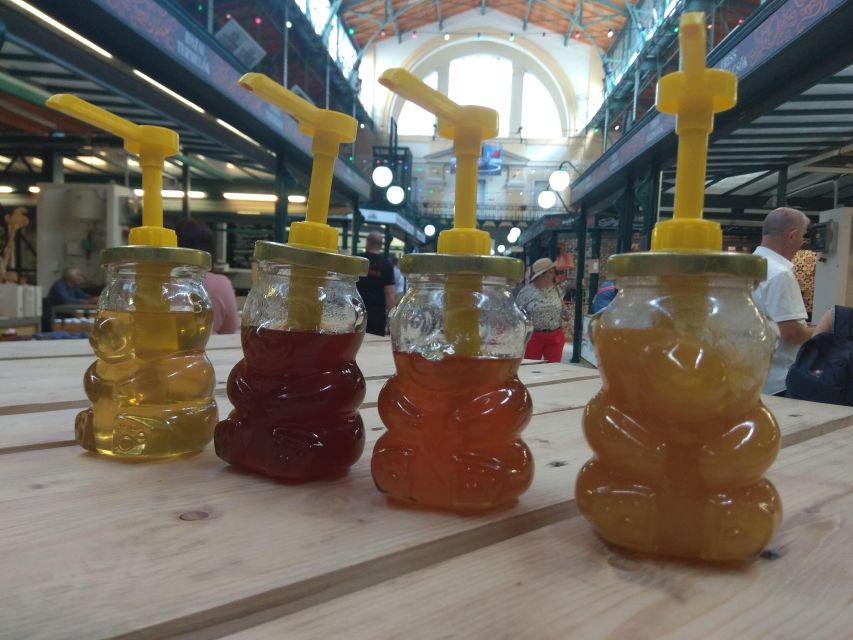
The tour includes three different local honeys. This gives the sweet portion of the tasting more range than a single spoonful would provide.
I like this detail because honey is easy to overlook beside sausage and paprika. Comparing three versions lets you pay attention to differences in taste and texture, while also showing another side of Hungarian food production. The samples may be small, but they add balance to a tasting otherwise weighted toward savory foods.
The honey stop is also friendly to people who do not want a large meal. You get a sweet sample without changing the tour into a dessert stop. Still, the overall experience is not designed around vegetarian or vegan eating, so vegans should check their own comfort with the full selection rather than rely on the honey tasting alone.
Cheese, the wine map and local drinking traditions
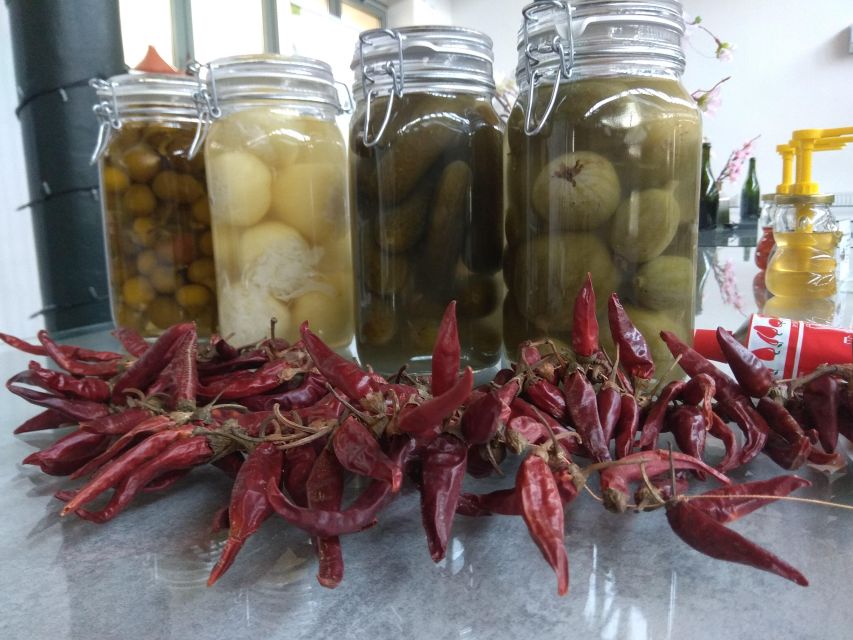
Hungarian cheese is included among the tastings, adding a dairy sample to the salami, sausage, paprika and honey. The supplied information does not specify the cheese varieties, so you should expect typical Hungarian cheese rather than a named cheese flight.
The drink portion is educational rather than a tasting session. A large 3D map of Hungary is used to explain the country’s wine regions and wines. This visual approach is helpful because wine regions can otherwise become a list of unfamiliar names. Seeing them placed across the country gives the discussion a geographic frame.
Wine is not included in the price, so do not book this expecting pours. You learn about local wine and wine regions, but the included food tasting consists of cold dishes and products. That distinction is important for anyone comparing this with a full wine-and-food tour.
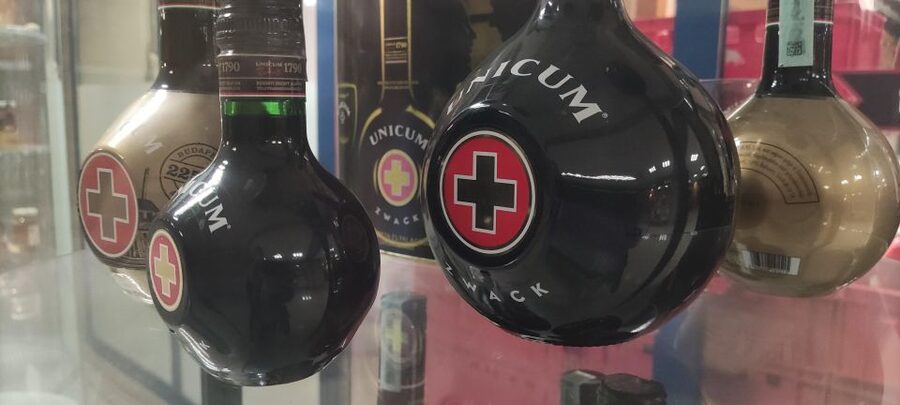
The guide also explains pálinka, the Hungarian fruit brandy, and fröccs, wine mixed with soda water. These details are valuable because they prepare you for drink menus and local conversations later in your trip. You get the background without paying for a separate alcohol tasting.
What the 40-minute format really delivers
Forty minutes is enough time for a brisk introduction to the market and a set of tastings. It is not enough time for a full meal, a slow market wander and a detailed history of every product.
I see that as a trade-off rather than a flaw. The short format suits you if you want a primer before exploring Budapest on your own. It also works well on a busy sightseeing day, when you want a food-focused stop without giving up half a day.
The pace may feel quick if you like lingering over each sample or asking many questions. You walk from one store to the next through the market hall, and the guide needs to keep the group moving. If your ideal food tour includes several warm courses and long conversations at a table, choose a longer experience.
The focus on cold foods keeps the tour efficient. You avoid waiting for kitchen service, and you see products in their market setting. The downside is clear: there is no goulash or other warm Hungarian dish included.
What you receive after the tasting
The digital extras add value, especially at a price of $15 per person. You receive a 12-site Budapest restaurant guide, a small Hungarian recipe book and a WineGuide in digital form.
I would not treat these downloads as a reason to book on their own. Their real value comes after the tour, when you are deciding where to eat or trying to make sense of a Hungarian wine list. The restaurant guide can help turn a short tasting into a starting point for the rest of your visit.
The recipe book may appeal if you want to recreate a dish at home, while the WineGuide gives you a reference for future ordering. Since the tour explains pálinka and fröccs as well, the material can help you recognize more than just food names.
The guide’s advice on what is worth eating in Budapest is perhaps the most useful takeaway. It is easy to leave a market with a bag full of attractive packages and no idea how to use them. A few clear recommendations can save you from buying based only on colorful labels.
Is $15 a fair price?
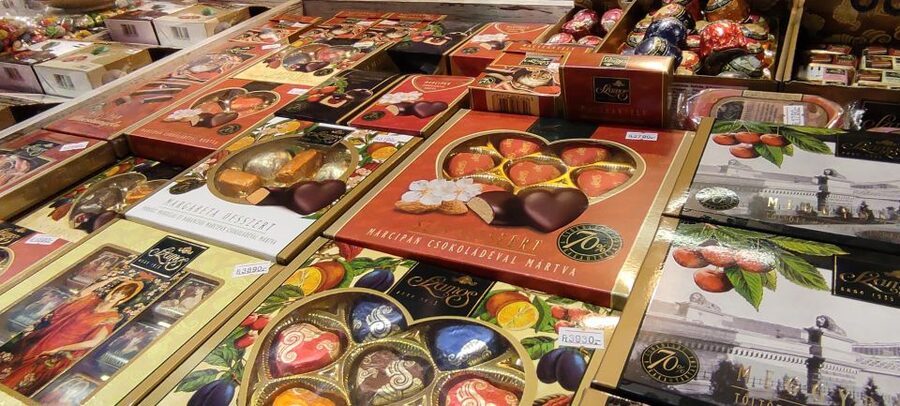
At $15 per person, the tour is priced as a short orientation rather than a full meal. The value is good if you care about tasting several Hungarian products, getting market context and receiving practical food advice afterward.
You should compare the price with what it does not include. Warm food is excluded. Wine is excluded. The tasting is limited to cold dishes and market products. If you want a sit-down lunch, you will need to budget for that separately.
Still, the cost stays modest because the tour is short and focused. You are paying for a guide, a series of tastings and a way to understand the market, not for a large quantity of food. I would see it as a useful first food stop, followed by your own lunch or dinner based on what you learned.
The free-cancellation policy allows cancellation up to 24 hours before the tour for a full refund, and you can reserve while paying later. Those booking terms make it easier to fit the experience into a changeable Budapest schedule.
Who will get the most from this market tour?
I would recommend it most strongly to German-speaking visitors who want a quick introduction to Hungarian food. It suits first-time visitors who are curious about what to buy, what to order and how the country’s food traditions connect with its drinks.
It is also a good match for people who prefer tasting small portions instead of committing to a long lunch. The market setting gives you something to look at between samples, and the experience ends where it began.
Families and groups with different food preferences should check the meat emphasis before booking. Vegetarians may find some suitable elements in the cheese, paprika and honey portions, but the tour is only partially suitable for vegetarians and vegans. Wheelchair users should also note that the activity is not suitable for wheelchair access.
This is not the best pick if you need English, want a warm meal, or expect wine samples. It is also not a full cooking class. Its strength is the compact combination of market walking, product tasting and food guidance.
My booking advice
Book this tour if you speak German and want to understand Hungarian food before making your own choices in Budapest. The salami, paprika, cheese and three honeys give you a useful cross-section, while the 3D wine map, pálinka and fröccs discussion add local context without turning the experience into a long seminar.
Skip it if you need a substantial meal, alcohol tastings or a vegetarian-focused menu. At $15, it offers solid value as a short market introduction, but you should plan another stop for goulash or other warm food. Arrive at Sóház utca 2, find the red GastroGuides Budapest sticker and treat the tour as your guide to what comes next.
FAQ
Where does the tour meet?
Meet at the side entrance of the Central Market Hall at Sóház utca 2. The guide has a red sticker marked GastroGuides Budapest.
Where does the tour end?
The activity ends back at the meeting point at Sóház utca 2.
How long does the tour last?
The tour lasts about 40 minutes. Starting times vary, so check availability when booking.
What food is included?
The tasting includes Hungarian salamis and sausages, typical Hungarian cheese, different types of paprika and three local honeys. The included food is served cold.
Are wine and warm dishes included?
No. Wine is not included, and warm dishes such as goulash are not part of the tour.
What language is the tour in?
The live tour guide speaks German. The tour is not described as being available in other languages.
Is the tour suitable for vegetarians, vegans or wheelchair users?
The tour is only partly suitable for vegetarians and vegans because meat is an important part of Hungarian cuisine. It is not suitable for wheelchair users.
Just added around Budapest
- Budapest: Private Walking Tour with a Local Guide★ 3.6 · 6 reviews
- Budapest: Danube River Views Bike Ride★ 4.8 · 23 reviews
- Budapest: City Bike Tour with Coffee Stop★ 5.0 · 37 reviews
- Budapest: Vacation Photographer to collect great memories★ 5.0 · 49 reviews
- Walk to recent and aged spiritual sanctuaries near Budapest★ 5.0 · 5 reviews
- From Budapest: Guided Tour of Eger with Wine Tasting★ 4.5 · 6 reviews
- Audio visual multi-sensory chefs journey dinner experience★ 5.0 · 3 reviews
- Budapest: 3-Hour Trabant Sightseeing Tour★ 4.7 · 28 reviews
Budapest Market Hall Tours, compared.
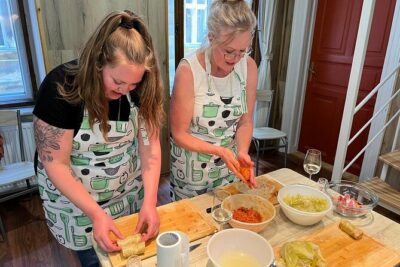
Budapest Cooking Class & Market Tour with Local Guide & Wines
Read our review →
Hungarian Cooking and optional Local Market Tour
Read our review →
Easy Cooking Class Budapest – with Market Walk (local wine & pálinka included)
Read our review →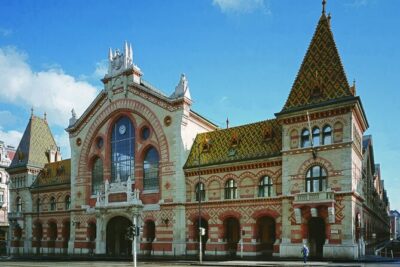
Budapest Great Market Hall Chef‑Led Private Tasting Tour
Read our review →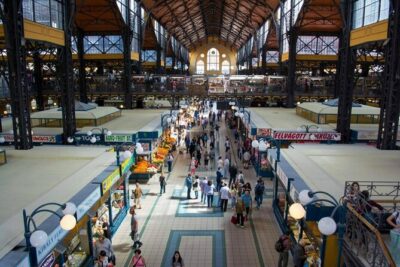
Budapest Market Tour & Home Cooking Class with local Chef & Guide
Read our review →
Budapest Christmas Market Tour with Basilica visit & Chimney cake
Read our review →Browse the lists this tour appears in