
Reviewed · BUDAPEST COOKING CLASSES
Hungarian Home Cooking Class with Chef Marti
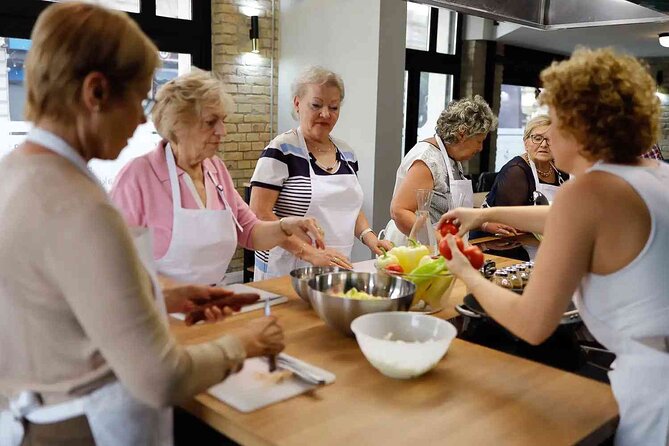
Hungarian food makes more sense when you cook it yourself. With Chef Marti, you work in a cozy Budapest apartment, taste local paprika and sausage, and learn why dishes such as chicken paprikash and goulash matter in everyday Hungarian life. I especially like the hands-on cooking and the chance to ask about customs, family recipes, and changing ingredients. The small-group setting also gives you real time with your guide, not a quick demonstration from across the room.
I also like that the menu can be adjusted, including vegetarian, gluten-free, lactose-free, and nut-free needs if you tell the host ahead of time. Hotel pickup and drop-off add ease, particularly after an evening class. The main consideration is the price, $106.92 per person, which is fair for a private-style meal and lesson but more than a simple Budapest restaurant dinner. The class also requires at least four participants to run.
Key points to know before you book
- Chef Marti teaches by doing: You chop, stir, shape, and cook rather than simply watch.
- The food lesson doubles as a Budapest culture chat: Expect stories about paprika, family customs, daily life, and changing recipes.
- You cook in a historic apartment: The class takes place in a private, upper-middle-class Budapest building rather than a restaurant kitchen.
- The menu has several possible Hungarian classics: Options include goulash soup, chicken paprikash with dumplings, stuffed cabbage, and a Hortobagy-style savoury crepe.
- The experience is capped at 10 people: A minimum of four is needed for the class to operate.
- You leave with recipes and practical advice: You can recreate the food at home and ask for restaurant or shopping tips in Budapest.
Why a Hungarian cooking class belongs in your Budapest plans
Budapest has grand buildings, thermal baths, and enough museums to fill several days. Food gives you a different way to understand the city. In this class, you do not just order a bowl of goulash and move on. You learn how paprika, dairy, flour, meat, and homemade techniques fit together in a Hungarian kitchen.
I like this approach because the food is not treated as a museum piece. Chef Marti talks about how ingredients and methods have changed over the years, which helps you see Hungarian cooking as something living and practical. You hear about customs and ordinary life while preparing lunch or dinner, depending on the scheduled time.
The class lasts about two and a half hours. That is long enough to cook a full dish, taste several local bites, sit down to eat, and have a proper conversation. It is not an all-day culinary course, so you can still fit it into a busy Budapest itinerary.
The experience is offered in English and includes all ingredients, kitchen tools, and equipment. You do not need to bring cooking supplies or worry about finding a specialty market before class. The point is to show you how the food works, then send you home with recipes you can use.
More cooking classes in Budapest:
- Budapest All in One Small Group Walking Tour with Strudel Stop
★ 5.0 · 1,277 reviews - Budapest: Hungarian Chimney Cake Workshop in the City Center
★ 4.8 · 885 reviews - Budapest Cooking Class & Market Tour with Local Guide & Wines
★ 5.0 · 553 reviews
Arriving at Kiraly Street and entering the apartment
The listed meeting point is Budapest, Kiraly u. 77, in the 1077 postal district. The activity ends at the same meeting point. Public transportation is nearby, and hotel pickup and drop-off are included, so you have two useful ways to handle the journey.
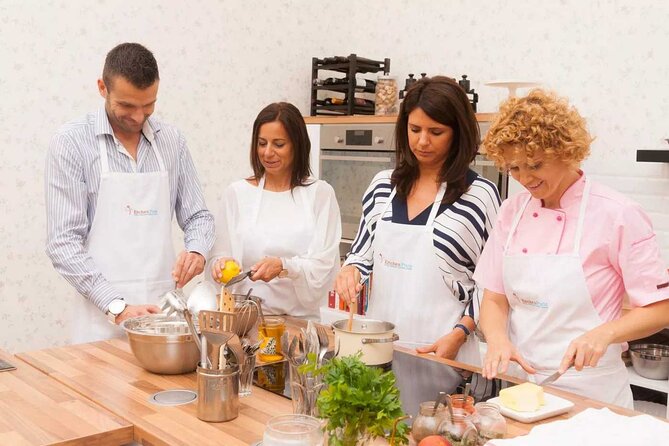
The cooking takes place in a cozy studio apartment inside a historic upper-middle-class building. That setting matters. A restaurant can teach you what a finished dish tastes like, but an apartment gives you a better sense of how food connects to home life. You sit down in a comfortable dining room after cooking, rather than being rushed away when the bill arrives.
One practical note: an apartment building can be less obvious than a restaurant entrance. Pay close attention to the apartment or door number supplied for your booking. A previous class participant had a moment of confusion because the building contained several apartments. If you use the pickup service, make sure the hotel details are correct when you reserve.
The apartment setup also makes the class feel personal. The maximum is 10 people, and the private guide format gives the host room to respond to questions. On some dates, the group may be smaller. One couple even received what amounted to a private lesson after another booking was canceled, though you should not assume that will happen for your session.
Starting with paprika, sausage, and Hungarian bites
Chef Marti begins with local tastes while the cooking gets underway. The starter is described as a Hungarian farmer’s plate, with items such as different paprikas, sausage, and a spicy curd cheese spread. One named example is korozott, a seasoned mixture made with cheese and paprika.
This opening is more useful than a random snack plate. Hungarian paprika comes in different forms, and tasting it directly helps you notice the difference between sweet, hot, and more strongly seasoned varieties. You also get a first look at ingredients that turn up throughout the meal.
I like that the food lesson begins with tasting, not just preparation. You can ask about the ingredients while your palate is fresh, then see how those flavors appear in the cooked dishes. Homemade soft drinks, mineral water, Hungarian wine, and the starter are included.
The wine makes the meal feel generous, but the class is not described as a wine tasting. The emphasis remains on cooking and food culture. If you do not drink alcohol, mineral water and homemade soft drinks are available.
Choosing a main dish and learning the methods
The sample menu presents several well-known Hungarian choices. The exact selection can be adjusted to your preferences, and the class can accommodate some dietary needs when you advise the host during booking.
Same city, a completely different sort of day:
- Budapest: City Highlights Cruise with Welcome Drink
★ 4.6 · 35,610 reviews - Budapest: Unlimited Prosecco, Beer and Aperol Spritz Cruise
★ 4.8 · 25,310 reviews - Budapest: Széchenyi Spa Day Ticket with Optional Upgrades
★ 4.3 · 23,911 reviews - Budapest: Nighttime or Daytime Sightseeing Cruise
★ 4.2 · 21,062 reviews
Goulash soup
Goulash soup is listed with beef and celery. It is one of the dishes most closely associated with Hungarian cooking, but preparing it yourself gives you more context than ordering it from a menu. You can see how the ingredients come together and ask about the role of paprika and traditional seasoning.
For a first introduction to Hungarian food, this is a strong choice. It is familiar in name but often varies in preparation. The only limitation is that a soup may feel less like a full cooking project than a dish involving dough, stuffing, or layered assembly.
Chicken paprikash with small dumplings
Chicken paprikash is one of the clearest examples of home-style Hungarian food. The dish is served with small dumplings, and the recipe includes dairy, egg, and flour. A previous class participant especially enjoyed learning to prepare the dumplings, which were described as a new discovery rather than a routine side dish.
This is a good choice if you want a recipe that can become part of your regular cooking at home. It is familiar enough to understand, but the dumplings make it more distinctive than a simple chicken stew. Keep the dairy, egg, and flour in mind if you have food restrictions.
One point worth noting is that the standard menu can use a fair amount of butter. If you prefer lighter cooking or need to avoid dairy, tell Chef Marti ahead of time rather than waiting until you arrive.
Stuffed cabbage
Stuffed cabbage includes pork, dairy, and egg. The dish requires more assembly than chicken paprikash, so it can give you a better sense of the time and care involved in traditional home cooking.
It is also the option that may appeal most to people curious about festive or family-style Hungarian food. The trade-off is that cabbage, pork, and dairy are not suitable for every diet. The host can adjust some menus, but you need to make your needs clear before the class.
Hortobagy-style savoury meat crepes
The Hortobagy-style savoury meat crepe combines meat with dairy, egg, and flour. It is a less obvious choice than goulash or paprikash, which makes it appealing if you want to learn something you are less likely to order by instinct.
The crepe also gives the class another useful technique to discuss. You are not just simmering a pot. You are working with a batter or pastry-like element and a savory filling, then bringing the parts together. Ask about this option if your main goal is to learn a dish that will surprise your family at home.
What the hands-on format is really like
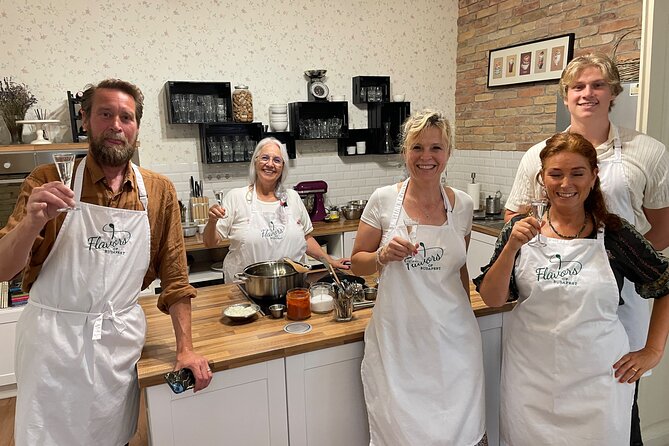
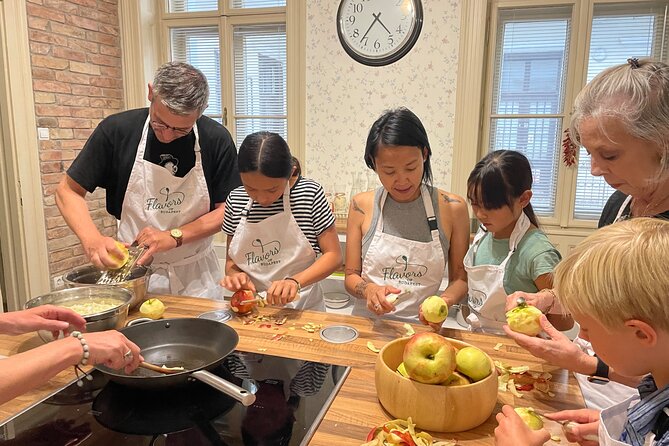
The class is designed for participation. You help prepare the ingredients and follow the cooking steps rather than sitting through a chef’s performance. That distinction matters because cooking classes vary widely. Some are mainly demonstrations with a few minutes of chopping. Here, the supplied details point to active preparation from start to finish.
You can expect Chef Marti to guide you through techniques, explain ingredients, and share cooking tips as the meal develops. One especially useful feature is the chance to ask how recipes have changed over time. Traditional food is rarely fixed, and that kind of conversation can help you decide which parts of a recipe are essential and which can be adapted.
The class also gives you room to talk about Budapest beyond food. Chef Marti offers suggestions for restaurants and places to visit, and advice about where to buy certain products. I would arrive with a short list of questions, especially if you plan to spend several days in the city.
The maximum group size of 10 keeps the experience from becoming a large cooking demonstration. Still, a group of 10 can feel different from a private lesson. If personal attention is your top concern, confirm the group arrangement and pickup details before booking.
Sitting down to eat what you prepared
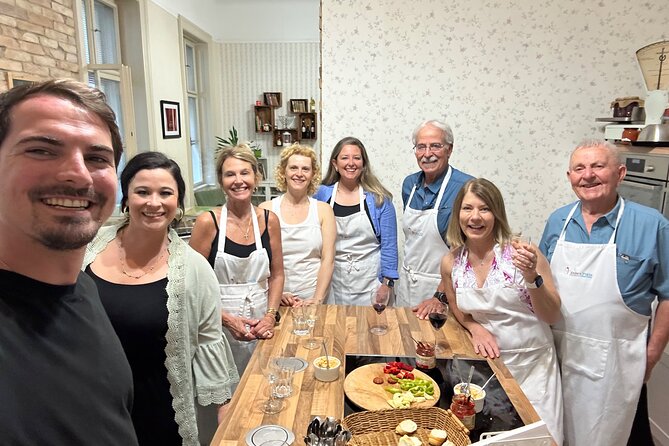
After the cooking, you eat the homemade Hungarian dish in the apartment’s dining room. This is the payoff, but it is also part of the lesson. You can taste the result while the methods are still fresh in your mind and ask why a texture or seasoning turned out a certain way.
The meal includes a Hungarian dish and starter, along with wine, homemade soft drinks, and mineral water. You should think of this as both a cooking lesson and a substantial meal. It can replace one restaurant outing, though the value depends on how much you care about learning the recipe rather than simply eating.
The apartment setting makes the meal more relaxed than a scheduled restaurant table. You have time for conversation about Hungarian customs, food, and everyday life. The host’s personal stories are a major part of the experience, so this suits you if you enjoy talking with a local as much as trying the food.
If you are looking for a polished, formal culinary school, this may feel informal. If you want a warm meal with a local and the chance to do the work yourself, the setting is a better match.
Price, pickup, and the practical value
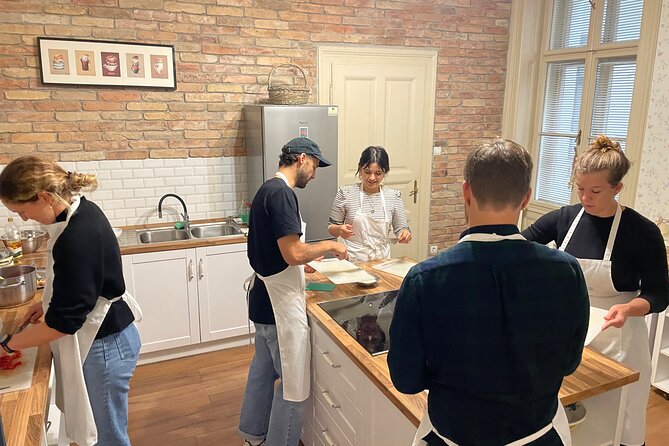
At $106.92 per person, this is not the cheapest way to eat Hungarian food in Budapest. You can find a restaurant meal for much less, and a quick market snack will cost only a fraction of the price.
The value comes from the combination of services. You receive about two and a half hours of instruction, all ingredients and equipment, a full homemade dish, tasting plates, drinks, recipes, cultural conversation, and hotel pickup and drop-off. You are paying for access to a local home-style setting and personal guidance, not just the food on your plate.
The price makes the most sense for couples, families, and small groups who will actually use the recipes after returning home. It also works well if you want one Budapest activity that combines a meal, a local conversation, and a practical skill.
It is less suitable if you have no interest in cooking, want a quick food tour, or are mainly trying to keep daily costs low. You should also remember that the class needs at least four participants to run. Book early if the date matters to you, since the average booking time is about 99 days in advance.
Free cancellation is available up to 24 hours before the start time. Changes or cancellations inside that window are not accepted for a refund, so check your plans before the cutoff.
Who will enjoy Chef Marti’s cooking class most
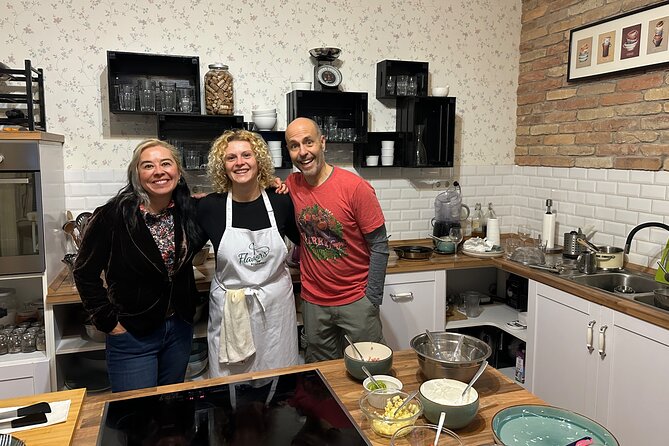
I would recommend this class to you if you fit one or more of these groups:
- You want to understand Hungarian food beyond the usual restaurant order.
- You enjoy cooking with a guide instead of watching a demonstration.
- You are traveling as a couple, family, or small group and want a private-feeling activity.
- You like hearing about ordinary life, family traditions, and local customs.
- You want recipes you can prepare for friends and family at home.
- You need a class that can address vegetarian or selected food restrictions.
Families should find the activity workable because it is listed as family-friendly, though the best fit will depend on the ages and attention spans of your children. The two-and-a-half-hour length is manageable for many families, but cooking requires patience and participation.
Food-focused visitors will get the most from the class. You do not need to be an experienced cook. The point is to learn by following the steps, tasting ingredients, and asking questions.
Should you book this Budapest cooking class?
Book it if you want a personal, useful introduction to Hungarian home cooking and you like the idea of sitting down to eat food you helped make. Chef Marti’s class offers more than a recipe: you get context about paprika, changing ingredients, customs, and daily life, plus advice that can help with the rest of your Budapest stay.
I would think twice if your budget is tight, if you prefer a standard restaurant meal, or if the minimum four-person requirement makes your date uncertain. Also contact the host in advance about vegetarian, gluten-free, lactose-free, or nut-free needs, and ask how the menu will be adjusted.
For most people who enjoy food and conversation, the strongest reason to book is what you take home. The printed recipes let the experience continue after Budapest, and chicken paprikash, dumplings, goulash, stuffed cabbage, or a savoury Hortobagy-style crepe can give your kitchen a direct connection to Hungary.
FAQ
Where does the Hungarian cooking class take place?
The meeting point is Budapest, Kiraly u. 77, 1077 Hungary. The cooking takes place in a cozy studio apartment inside a historic upper-middle-class building, and the activity ends at the meeting point.
How long does the experience last?
The cooking experience lasts approximately 2 hours and 30 minutes.
Is hotel pickup and drop-off included?
Yes. Free hotel pickup and drop-off are included.
What language is the class offered in?
The activity is offered in English.
What dishes might I prepare?
The sample menu includes goulash soup with beef and celery, chicken paprikash with small dumplings, stuffed cabbage, and a Hortobagy-style savoury meat crepe. The menu can be adjusted to your preferences.
Can the class accommodate dietary needs?
Yes. Vegetarian, gluten-free, lactose-free, and nut-free options can be requested. You should advise the host when booking.
How many people can join, and how does cancellation work?
The class has a maximum of 10 participants and requires at least four participants to run. You can cancel for a full refund up to 24 hours before the start time. Changes or cancellations made less than 24 hours before the start time are not accepted for a refund.
Just added around Budapest
- Budapest: Danube River Views Bike Ride★ 4.8 · 23 reviews
- Budapest: City Bike Tour with Coffee Stop★ 5.0 · 37 reviews
- Budapest: Private Walking Tour with a Local Guide★ 3.6 · 6 reviews
- Budapest: Vacation Photographer to collect great memories★ 5.0 · 49 reviews
- Walk to recent and aged spiritual sanctuaries near Budapest★ 5.0 · 5 reviews
- From Budapest: Guided Tour of Eger with Wine Tasting★ 4.5 · 6 reviews
- Audio visual multi-sensory chefs journey dinner experience★ 5.0 · 3 reviews
- Budapest: 3-Hour Trabant Sightseeing Tour★ 4.7 · 28 reviews
Budapest Cooking Classes, compared.

Budapest All in One Small Group Walking Tour with Strudel Stop
Read our review →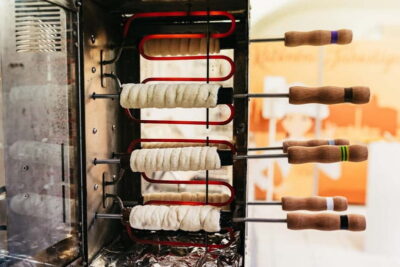
Hungarian Chimney Cake Workshop in the City Center
Read our review →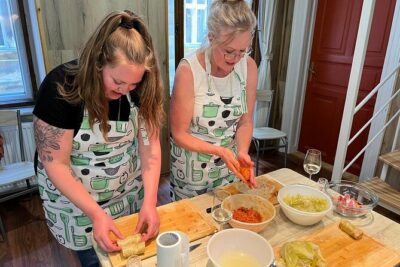
Budapest Cooking Class & Market Tour with Local Guide & Wines
Read our review →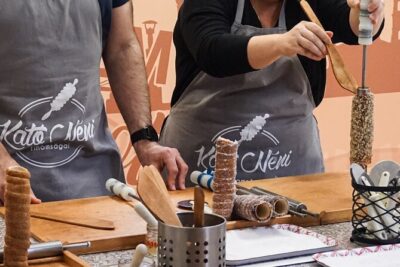
Chimney Cake Workshop Budapest Downtown – Kürtőskalács Class
Read our review →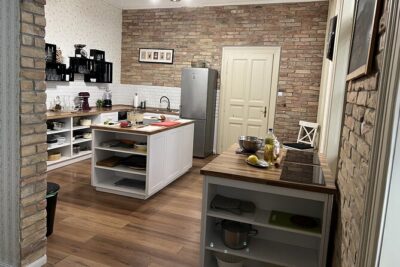
Premium Hungarian Home Cooking Experience with Chef Marti
Read our review →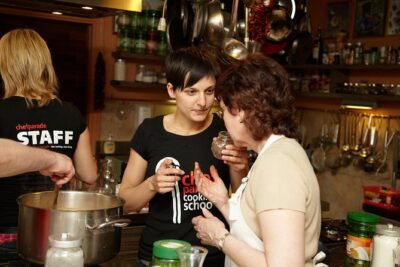
Hungarian Cooking and optional Local Market Tour
Read our review →

Hungarian Strudel Making Class: Stretch & Fill Two Ways
Read our review →Browse the lists this tour appears in