
Reviewed · COFFEE EXPERIENCES
Budapest Urban Treats – Cake and Coffee House Tour
Budapest’s café culture is the real star here. Over about two and a half hours, you move from opulent coffee houses to modest pastry shops, tasting cakes, coffee, retro sweets, strudel, chimney cake, and the curious black soup. It is a food walk with a cultural thread, not just a sugar rush.
I like two things right away: the four stops are described as plentiful, so you should arrive hungry, and the tour aims for local cafés rather than a single polished showcase. Guide Bianka, also spelled Bianca in the tour information, adds a personal touch with her interest in how the treats and coffee are made. The main drawback is the price: at $104.11 per person, this makes sense only if several tastings and Budapest’s café story matter to you.
Key points at a glance
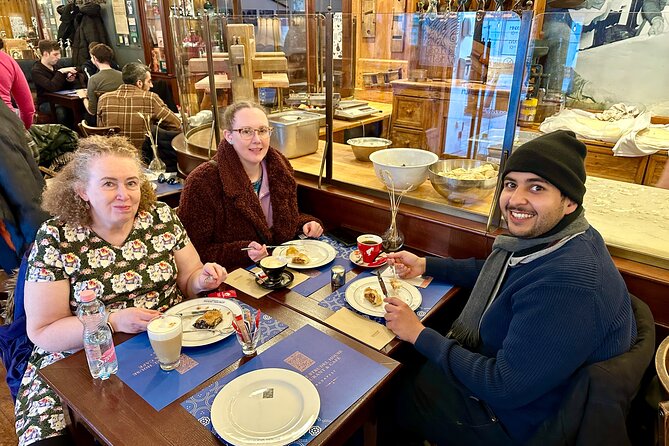
- Four generous tasting stops: Plan for coffee, cakes, snacks, strudel, retro treats, chimney cake, and other local specialties.
- A look at Budapest’s café culture: The tour connects pastries and coffee with Hungarian customs and history.
- A mix of grand and modest places: You visit opulent coffee houses as well as less showy local confectionaries.
- A guide-led food walk: Bianka, also listed as Bianca, leads the experience and explains the treats and how some are made.
- A small group setting: The maximum is 15 people, which should make questions and conversation easier.
- Simple central meeting point: Start and finish at the Hungarian State Opera on Andrássy út.
Why Budapest cake culture deserves two and a half hours
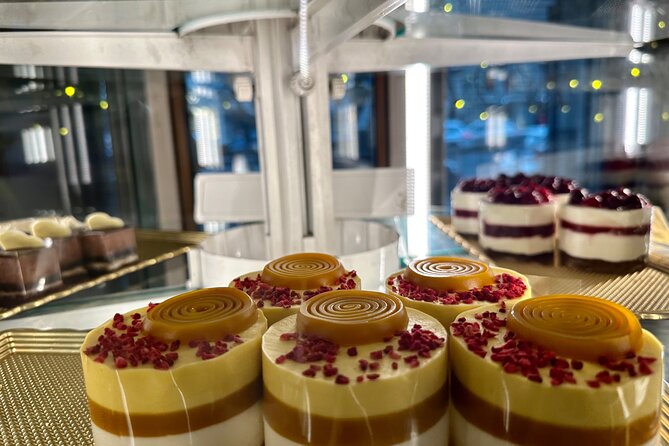
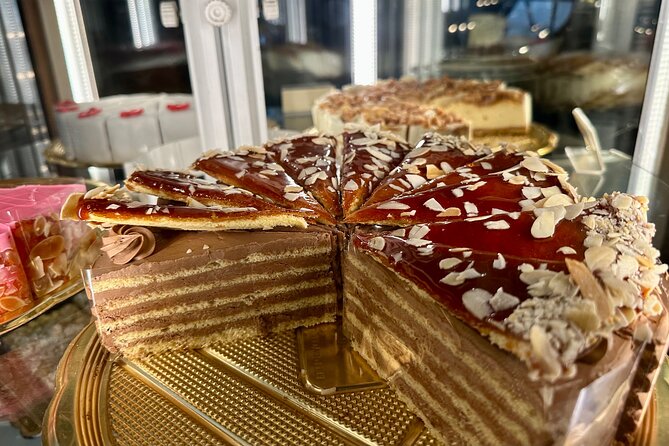
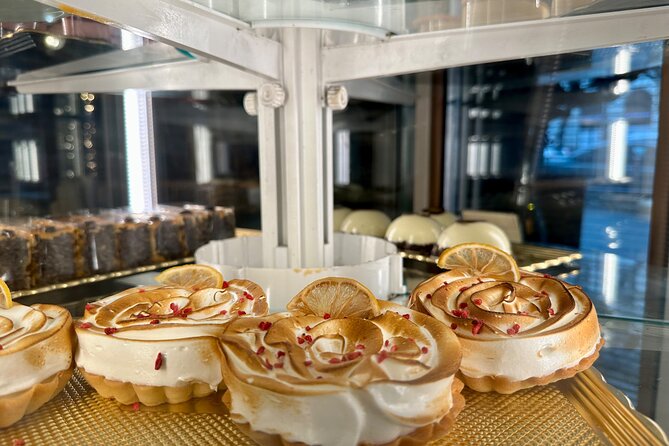
Budapest is famous for its coffee houses, but a quick stop for coffee and cake only gives you the surface. This tour lets you compare different parts of the tradition: grand rooms, old-fashioned confectionaries, rustic pastry making, and popular street-style sweets.
That range matters. A lavish café can show you the public face of Budapest’s coffee culture, while a small retro confectionary can feel closer to everyday local life. The tour is built around that contrast. You are not simply ordering one pastry, taking a photo, and leaving. You are moving through several settings and learning why coffee, cakes, and conversation have such a place in Hungarian life.
I also like the way the tour uses food as an entry point to culture. Cakes are easy to understand, but they can open a door to subjects such as social habits, old café customs, and local tastes. You do not need to be a food expert. You only need to be willing to try several small servings and listen as Bianka explains what is in front of you.
The pace should feel manageable for most people. The tour lasts around 2 hours and 30 minutes, long enough for several tastings without taking up your entire day. Since it begins and ends at the same place, it is also easy to fit into a larger Budapest sightseeing plan.
More coffee and cake stops in Budapest:
- Grand Segway Tour of Budapest – Private Tour with Coffee Stop
★ 5.0 · 163 reviews - Budapest: City Bike Tour with Coffee Stop
★ 5.0 · 37 reviews - Castle District tour with Matthias Church Ticket & Cake & Coffee
★ 5.0 · 31 reviews
Meeting at the Hungarian State Opera
The walk begins at the Hungarian State Opera, at Andrássy út 22. This is a useful starting point because it gives you a clear, central place to meet, and the tour finishes there as well.
A same-place return is handy in a city day. You can leave luggage or extra planning out of the picture and arrange your next activity from the Opera area. The meeting point is near public transportation, so you do not need hotel pickup. That service is not included, but for a central walking tour, its absence is not a major problem.
Bring an appetite rather than a full breakfast. One of the strongest practical details here is the warning to go hungry and have a solid sweet tooth. The four stops are said to be generous, so this is not the best choice immediately after a large meal.
The tour operates in all weather. Budapest weather can shift, so dress for walking and outdoor time between cafés. Comfortable shoes are sensible, even though the food is the focus.
Grand coffee houses and the old café tradition
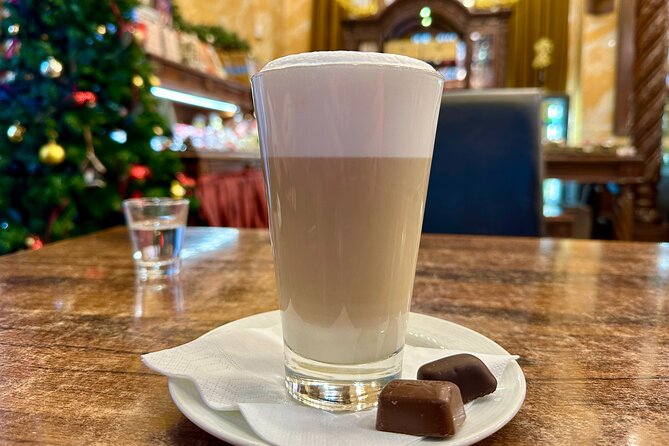
One part of the route introduces you to Budapest’s opulent coffee houses. These places offer more than a warm drink and a pastry. Their interiors help explain why cafés became important social spaces, where people met, read, talked, and spent time over coffee.
The value here is context. You can visit a famous café on your own, but you may not know what to notice beyond the decoration. A local guide can point out how the café fits into Budapest’s wider culture and why coffee houses remain such a strong part of the city’s identity.
Do not expect the entire tour to be a grand-interior parade. The appeal comes from the variety. The polished coffee house is one chapter, not the whole story. You will also visit quieter and more modest places, which keeps the experience from feeling like a simple tour of expensive rooms.
Coffee is included, along with cakes and other treats. The supplied details do not specify the exact coffee style or serving size, so arrive ready for a tasting rather than assuming you will receive a full café meal. Tea is also included as an option.
Retro confectionaries and familiar Hungarian sweets
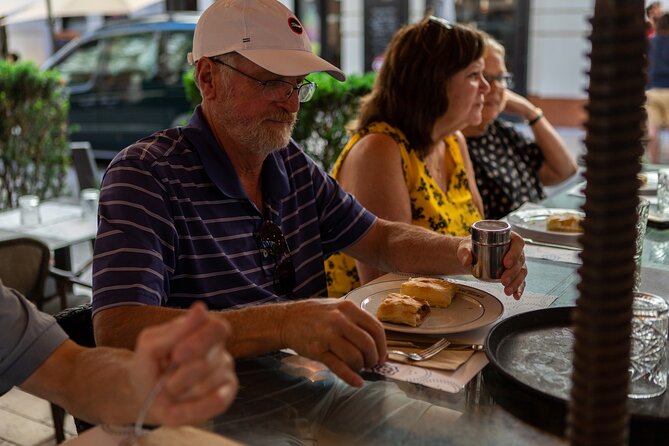
The retro confectionary stops give the tour a different mood. These places are described as hidden local confectionaries, meaning the experience moves beyond the most obvious café circuit and into shops with an older, less polished feel.
That can be valuable if you want more than Budapest’s postcard sights. Retro sweets often carry a sense of place because they reflect what local people grew up eating. The tour presents fancy pastries and old-fashioned treats side by side, giving you a chance to notice the difference between formal pastry culture and familiar everyday desserts.
You may find that not every sweet suits your taste. This is a tasting tour, and the point is variety, not a carefully controlled menu built around one style. Some treats may be very sweet, rich, or unfamiliar. That is part of the fun, but it is also why a strong dislike of desserts would make this a poor match.
Dietary needs should be provided at booking. The tour information specifically asks you to share them in advance. That is important because several tastings are spread across different food stops, and last-minute changes may be harder to arrange.
Same city, a completely different sort of day:
- Budapest: City Highlights Cruise with Welcome Drink
★ 4.6 · 35,610 reviews - Budapest: Unlimited Prosecco, Beer and Aperol Spritz Cruise
★ 4.8 · 25,310 reviews - Budapest: Széchenyi Spa Day Ticket with Optional Upgrades
★ 4.3 · 23,911 reviews - Budapest: Nighttime or Daytime Sightseeing Cruise
★ 4.2 · 21,062 reviews
The rustic strudel shop
Strudel brings a more rustic side of Hungarian pastry making into the route. The stop is not described in enough detail to promise a particular filling or preparation, so I would treat it as an introduction to the shop’s style rather than expect a full cooking demonstration.
What makes this stop useful is the contrast with the grand coffee houses. A strudel shop can show you a simpler, more direct relationship with pastry. You get the chance to focus on the dough, filling, and way the sweet is served, while Bianka explains the local angle.
The tour also includes information about how some of the treats are made. That does not mean you should expect a formal baking class. Instead, think of short, practical explanations that help you understand what you are eating.
Chimney cake and Budapest’s sweeter street side
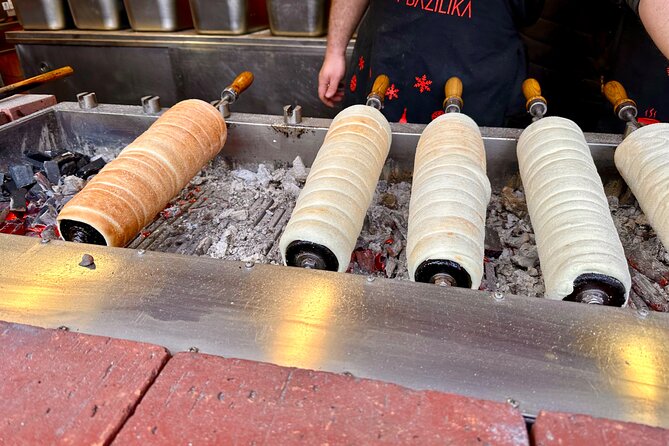
Chimney cake is another highlight. This spiral-shaped sweet is one of the most recognizable treats associated with Hungary, and the tour promises to take you to some of the best spots for it.
The route’s treatment of chimney cake is useful because it balances café culture with a more casual pastry tradition. You are not confined to silver-service surroundings. The experience moves through several ways Budapest eats sweets, from ornate coffee houses to quick, familiar treats.
The supplied information does not state the exact flavor, topping, or preparation at the stop. You can expect chimney cake to be part of the tasting, but the precise version may depend on the place visited and the day’s arrangements.
Again, pace yourself. Four generous stops can add up quickly, especially when cakes, coffee, strudel, and chimney cake all appear in the same short walk. I would rather take small bites, ask questions, and enjoy the differences than rush through every serving.
The mysterious black soup
The tour description adds one unusual clue: the mysterious black soup. It is presented as part of the experience, but no ingredients or explanation are provided in the available details. That means you should see it as a small surprise, not book the tour expecting a full account of what it is.
This detail gives the tour a little edge. A walk devoted only to familiar cakes could become predictable. An unfamiliar item encourages curiosity and gives Bianka a chance to explain another part of local food culture.
If you have allergies or firm dietary limits, tell the operator when you book and ask about this item. The tour accepts specific dietary requirements when advised in advance, but the information does not confirm that every tasting can be replaced.
Guide Bianka and the small-group feel
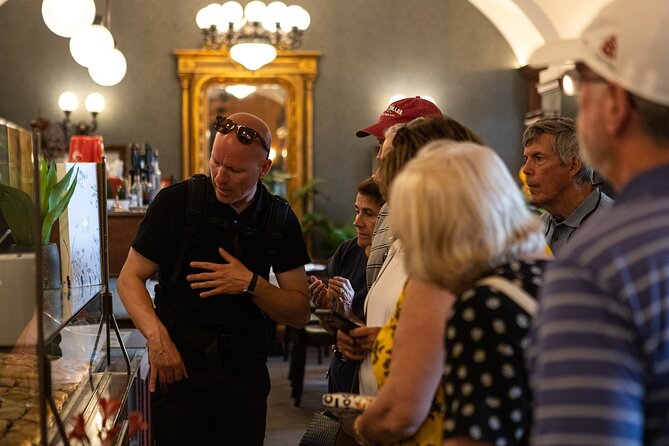
The guide is central to the experience. Bianka, spelled Bianca in one part of the tour information, is described as warm, approachable, and well informed about both the area and the food. Those qualities matter on a tasting walk because you want explanations that feel conversational rather than like a lecture.
The best part of this format is the chance to ask questions as you go. You can ask how a pastry is made, why a café matters, or what a certain sweet means in Hungarian culture. A guide who enjoys coffee and desserts can make those small details more memorable.
The group limit is 15 people. That is not a private tour, but it is small enough to keep the walk from feeling like a large procession. It should also be easier to hear the guide and stay involved at each stop. Group discounts are available, which may improve the value if you are booking with family or friends.
The tone is intended to feel like a friend showing you favorite places. Keep in mind that this is still a structured paid experience, so the route and tastings are arranged in advance. The friendly style is an advantage, but it does not mean the schedule is completely open-ended.
Is $104.11 a fair price?
At $104.11 per person, this is an expensive coffee break. It becomes easier to justify when you consider what is included: coffee, tea, cakes, snacks, and other treats at several places, plus a guided walk and local recommendations.
The price is strongest for someone who would otherwise spend money sampling several cafés without knowing which places or pastries to choose. You are paying for food, but also for the route, explanations, and the time saved from planning your own tasting trail.
It is less attractive if you only want one cake and a coffee, or if you are comfortable researching Budapest’s cafés on your own. You might spend much less by choosing one or two cafés independently. The tour earns its price through variety and guidance, not through a large meal.
Maps and further recommendations are included. That gives the experience some value beyond the two and a half hours, especially if you use the suggestions for later café visits. Still, the tour does not include hotel pickup and drop-off, so you should add your own transport planning if your hotel is not near the city center.
Who should book this food walk?
I would choose this tour for a visitor who plans sightseeing around food, likes trying local desserts, and wants cultural context without committing to a full-day food tour. It also suits people who enjoy café interiors, old-fashioned sweets, and friendly conversation with a local guide.
It is a particularly good fit for couples, small groups, and families with older children who enjoy desserts. The group discount may help when several people book together, though the strong sweet focus may be too much for anyone who prefers savory food.
You should think twice if you have a serious allergy, a very limited diet, or little interest in coffee and cake. Dietary requirements can be shared in advance, but the available information does not promise a fully customized menu.
The tour is also not designed for people seeking a cooking lesson. You will learn about the treats and how some are made, but the main activity is tasting and walking.
Booking, weather, and cancellation details
Confirmation arrives when you book, and the tour is available with a mobile ticket. It runs in all weather, so bring suitable clothing and shoes for the conditions.
The experience is limited to a maximum of 15 people, and most people can participate. Service animals are allowed. The activity begins and ends at the Hungarian State Opera, with no hotel pickup or drop-off.
Free cancellation is available if you cancel at least 24 hours before the start time. Cancellations made less than 24 hours before the scheduled start are not refunded, and changes inside that window are not accepted. The cut-off uses Budapest local time.
Should you book Budapest Urban Treats?
Book it if you want Budapest explained through pastries, coffee, and cafés rather than only through monuments. The mix of grand coffee houses, retro confectionaries, a rustic strudel stop, chimney cake, and the mysterious black soup gives the two-and-a-half-hour route useful variety.
I would skip it if $104.11 feels high for tastings, or if you prefer choosing cafés at your own pace. For the right person, though, the value is in the four stops, the generous portions, Bianka’s personal guidance, and the cultural background that turns each sweet into part of the city’s story.
FAQ
Where does the Budapest Urban Treats tour begin?
The tour begins at the Hungarian State Opera, Budapest, Andrássy út 22, 1061 Hungary.
Where does the tour end?
The activity ends back at the Hungarian State Opera meeting point.
How long does the tour last?
The tour lasts approximately 2 hours and 30 minutes.
What food and drinks are included?
Coffee, tea, cakes, snacks, and other treats at various stops are included.
How many people can join the tour?
The maximum group size is 15 people.
Is hotel pickup included?
No. Hotel pickup and drop-off are not included.
Can I cancel for a full refund?
Yes. You can receive a full refund if you cancel at least 24 hours before the experience start time. Cancellations or changes made less than 24 hours before the start are not accepted.
Just added around Budapest
- Budapest: Danube River Views Bike Ride★ 4.8 · 23 reviews
- Budapest: City Bike Tour with Coffee Stop★ 5.0 · 37 reviews
- Budapest: Private Walking Tour with a Local Guide★ 3.6 · 6 reviews
- Budapest: Vacation Photographer to collect great memories★ 5.0 · 49 reviews
- Walk to recent and aged spiritual sanctuaries near Budapest★ 5.0 · 5 reviews
- From Budapest: Guided Tour of Eger with Wine Tasting★ 4.5 · 6 reviews
- Audio visual multi-sensory chefs journey dinner experience★ 5.0 · 3 reviews
- Budapest: 3-Hour Trabant Sightseeing Tour★ 4.7 · 28 reviews
Coffee Experiences, compared.
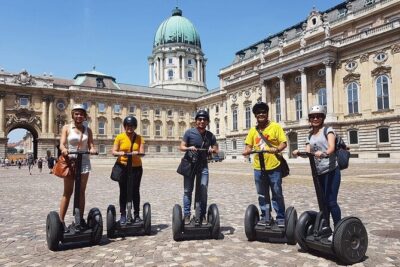
Grand Segway Tour of Budapest – Private Tour with Coffee Stop
Read our review →
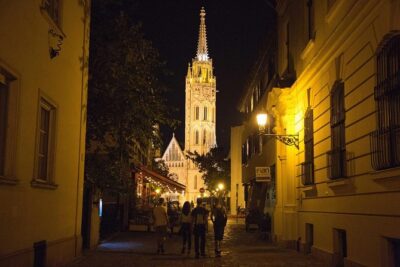
Castle District tour with Matthias Church Ticket & Cake & Coffee
Read our review →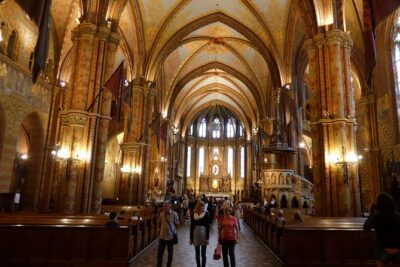
Buda Castle Walking Tour with Matthias church entry, Cake&Coffee
Read our review →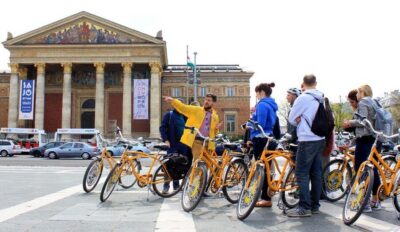
Born Under The Red Star – Communist tour with Coffee in a Retro Bar
Read our review →
Budapest Urban Walk – Budapest City Tour with Cake & Coffee
Read our review →
Private Budapest Walking Tour with Cake & Coffee
Read our review →Browse the lists this tour appears in