
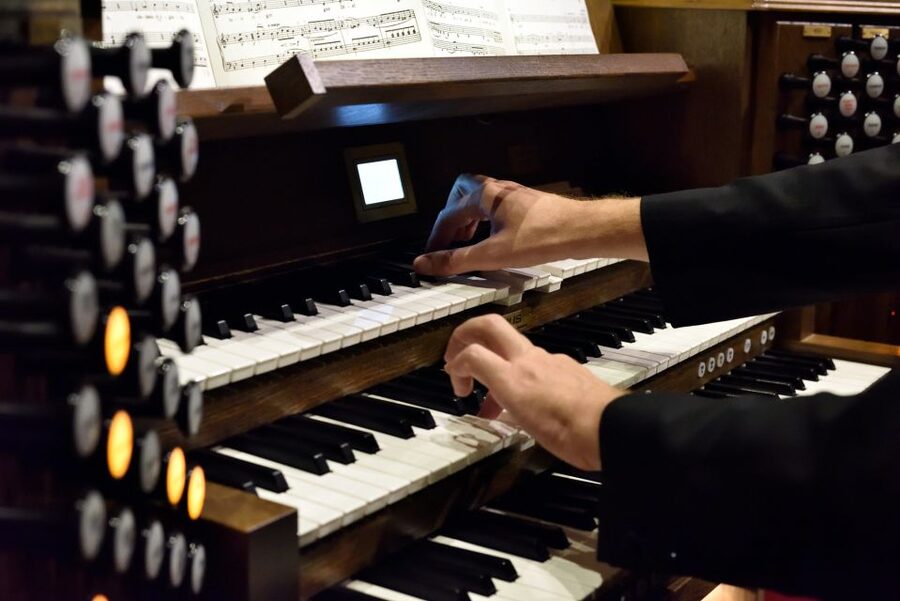
Reviewed · ST STEPHEN'S BASILICA TOURS
Budapest: Organ Concert in St. Stephen’s Basilica
The main draw here is simple: you hear serious classical music inside St. Stephen’s Basilica, one of Budapest’s most striking neo-classical buildings. The setting gives the organ, voice, and flute a strong sense of occasion without requiring a full evening tour or a long trip outside central Budapest.
I like the mix of musicians, especially the contrast between Miklos Teleki’s organ playing and Kolos Kováts’s trained concert voice. I also like the program’s range, from Mozart and Bach to Verdi, Liszt, and Saint-Saëns. The main consideration is that the experience is a concert only. Your ticket includes admission, but not transport, and the seating category you choose will affect how close you are to the performance.
Key points to know before you book
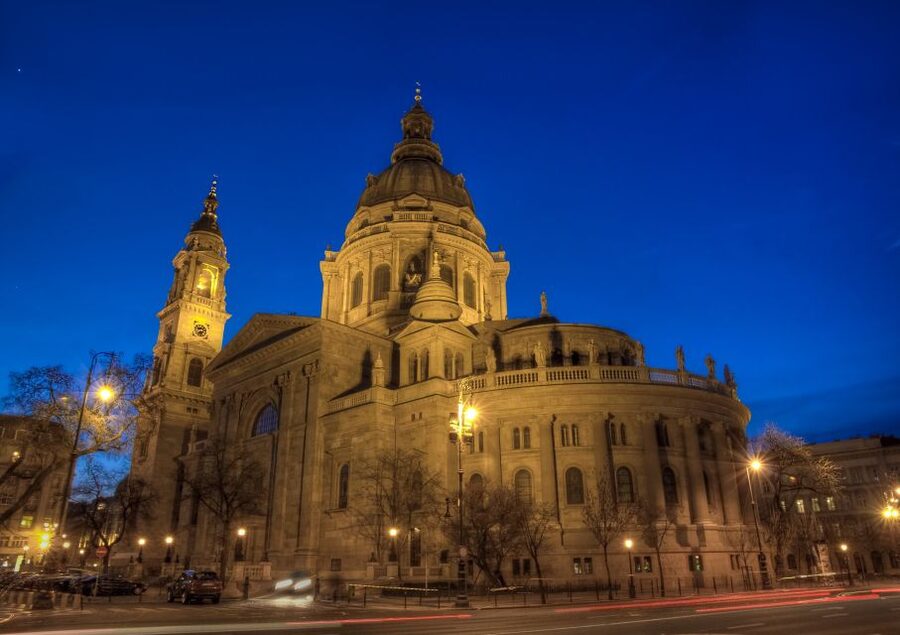
- The basilica is part of the experience: You listen to the program inside Budapest’s grand St. Stephen’s Basilica.
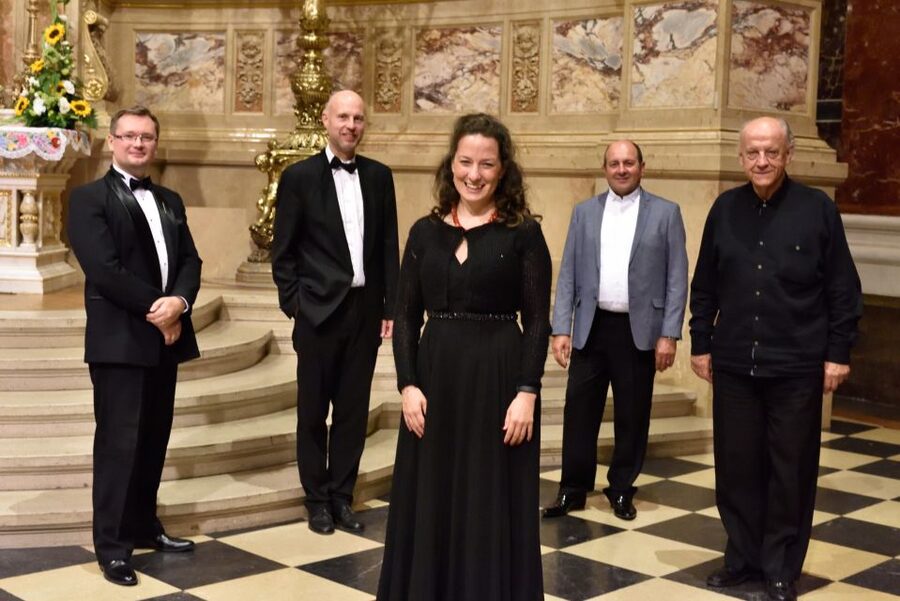
- Three performers share the evening: Miklos Teleki plays organ, Kolos Kováts performs the vocal arias, and Eleonóra Krusic plays flute.
- The music covers several periods: The program moves from Mozart and Baroque works to Romantic and operatic pieces.
- Seat categories are clearly divided: Category I covers rows 1 to 6, Category II rows 7 to 16, and Category III rows 17 to 26.
- The meeting time is 19:40: You make your own way to St. Stephen’s Basilica, with pickup and drop-off available for an additional cost.
- The concert suits music-focused evenings: It is a good choice when you want culture in a fixed setting, rather than a guided sightseeing route.
Why St. Stephen’s Basilica changes the concert
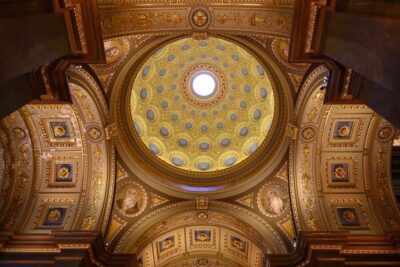
A concert in a basilica is not the same as hearing the same program in a modern hall. St. Stephen’s Basilica gives the evening its visual and acoustic character. The building’s neo-classical design creates a formal backdrop for the music, and the organ has the sort of setting that makes large, resonant works feel at home.
I like that the location does not need much explanation once you arrive. The basilica itself is a major Budapest sight, so the concert combines architecture and music in one stop. If your Budapest plans already include central landmarks, this is an easy way to add an evening performance without committing to a large guided outing.
The setting can also shape your expectations. A basilica is built for ceremony and sound, not for the close, dry acoustics of a small recital room. Organ notes may carry broadly through the space, while a solo voice or flute can take on a more reflective quality. If you prefer intimate chamber music where every small detail feels close, a church concert may feel less precise. If you want scale and atmosphere, the venue works in your favor.
More visits to St Stephen's Basilica in Budapest:
- Budapest: St. Stephen’s Basilica Entry with Terrace Option
★ 4.5 · 6,399 reviews - Budapest: Buda Castle Walk with Saint Stephen’s Hall
★ 4.5 · 3,012 reviews - Budapest: Classical Music Concerts in St Stephen’s Basilica
★ 4.7 · 1,479 reviews
Meet at 19:40 and plan your own arrival
The stated meeting time is 19:40 at St. Stephen’s Basilica. The ticket does not include pickup or drop-off, so you are responsible for reaching the venue unless you arrange the optional transport service at an additional cost.
This setup gives you flexibility. You can organize your own evening around the concert rather than following a bundled route. It also means you should pay close attention to the meeting time. There is no scheduled sightseeing portion described before the music, so arriving at the basilica is the central practical task.
I would keep the evening uncomplicated. Know the location before you set out, allow enough time to reach the basilica, and have your ticket ready. Since the experience provider is Hungaria Koncert Ltd., the concert is designed as a straightforward admission-based event rather than a personal walking tour with a guide.
The lack of included transport is not automatically a weakness. For some people, it keeps the cost focused on the music. For others, especially anyone who prefers door-to-door arrangements, the extra-cost pickup and drop-off may be worth considering.
Three performers, three different musical colors
The program uses three types of performance: organ, singing, and flute. That variety gives the evening more shape than an organ recital made up of one instrument alone.
Miklos Teleki handles the organ works. The program includes Mozart’s Fantasie in F minor, Tomaso Albinoni’s Adagio, and Bach’s Toccata and Fugue in D minor. Those selections give the organ much of the evening’s dramatic weight, from Mozart’s expressive writing to Bach’s famous, forceful opening work.
Kolos Kováts performs the vocal arias. He is described as one of Hungary’s leading concert and oratorio singers, and his awards include the Liszt Ferenc Prize, the Merit of Art, and the Kossuth Prize. The vocal selections include Alessandro Stradella’s Pietà Signore and Verdi’s Prayer of Fiesco from Simon Boccanegra.
That pairing gives you two very different forms of expression. The organ can fill the basilica with sound, while the aria places the human voice at the center. If you enjoy opera but do not want to book a full opera production, the vocal portion offers a shorter concert-style taste of that tradition.
Eleonóra Krusic adds flute to the program. Her background includes performances with orchestras in Hungary and abroad, according to the supplied information. Her flute performance helps break up the heavier organ and vocal sections, giving the program a lighter instrumental voice.
Reading the program before you go
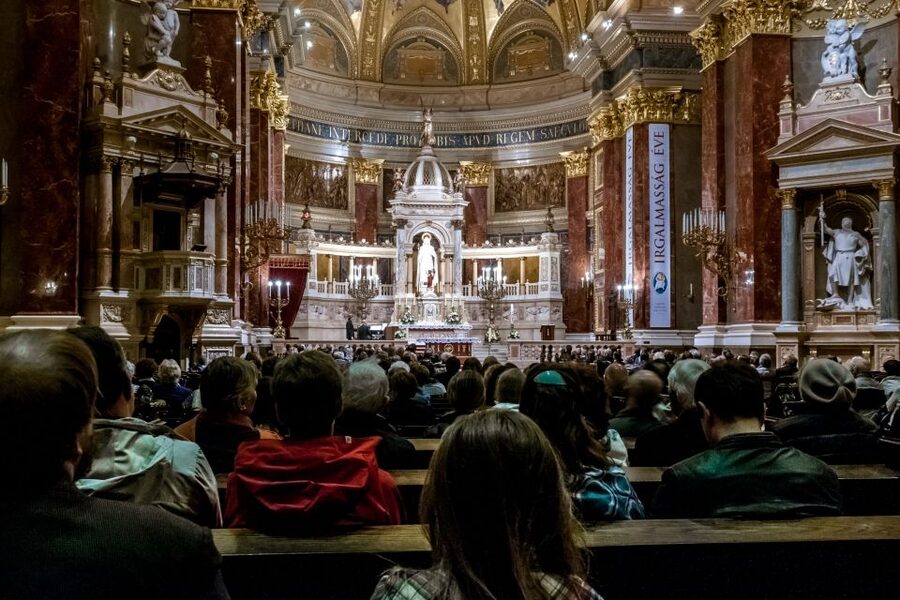
The music list is useful because it shows how broad the evening will be. You are not getting a single composer or one narrow musical period.
The program includes:
- Wolfgang Amadeus Mozart, Fantasie in F minor, K. 506
- Alessandro Stradella, Pietà Signore
- Tomaso Albinoni, Adagio
- Liszt and Camille Saint-Saëns, Legend in A major, based on St. Francis of Assisi’s sermon to the birds
- Giuseppe Verdi, Prayer of Fiesco from Simon Boccanegra
- Johann Sebastian Bach, Polonaise, Minuet and Badinerie from the Suite in B minor, BWV 1067
- Johann Sebastian Bach, Toccata and Fugue in D minor, BWV 565
I like the way the program alternates between familiar names and less familiar pieces. Bach’s Toccata and Fugue in D minor is likely to be the most instantly recognizable work for many listeners, while the Stradella and Verdi selections place more attention on the singer.
The Liszt and Saint-Saëns work is also an interesting inclusion. Its subject, St. Francis of Assisi’s sermon to the birds, gives the program a more pictorial idea, rather than focusing only on formal church or concert music. The Bach suite excerpts provide another change of pace, with the Polonaise, Minuet, and Badinerie offering a lighter, more rhythmic character.
Because the complete running time is not provided, I would not plan another fixed appointment immediately afterward. The exact balance between organ works, arias, and flute performance may affect how long the evening lasts.
More concerts and organ recitals in Budapest:
- Budapest Danube Cruise and Dinner Options, Live Music and Dance
★ 4.5 · 7,428 reviews - Budapest: Evening Cruise including Drinks and Live Music
★ 4.1 · 5,512 reviews - Budapest: Candlelit Dinner River Cruise with Live Music
★ 4.7 · 2,154 reviews - Budapest: Dinner Cruise with Live Music and Folk Dance Show
★ 4.4 · 2,090 reviews
Choosing between rows 1 to 26
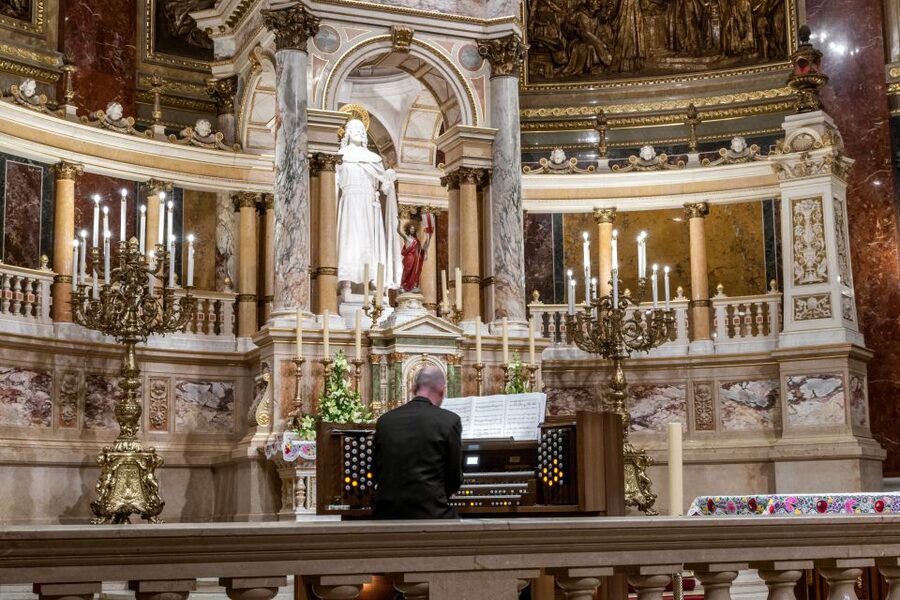
Your ticket category determines the seating range:
- Category I: rows 1 to 6
- Category II: rows 7 to 16
- Category III: rows 17 to 26
The information does not specify the exact view from each row, the number of seats in the basilica, or the price of each category. Still, the structure tells you how to think about the choice.
Category I is the natural pick if seeing the performers clearly matters most to you. It places you in the first six rows and is likely to be the strongest choice for someone who wants the closest available concert view.
Category II offers a middle position. You are farther back than the first category but still within rows 7 to 16. This may be the sensible balance if you want a reasonable position without choosing the most expensive seating tier.
Category III covers rows 17 to 26. It is the farthest listed section, but it still gives you a ticket to the same program in the same basilica. If the setting and music matter more than a close view, this category may provide better value, depending on the price difference.
Since no ticket prices are supplied, I cannot say which category is the best bargain in cash terms. My practical advice is to compare the price gap rather than assuming the front section is automatically necessary. For organ music, the sound and scale of the basilica are important parts of the experience, so a rear seat may still suit you well.
What makes the evening good value
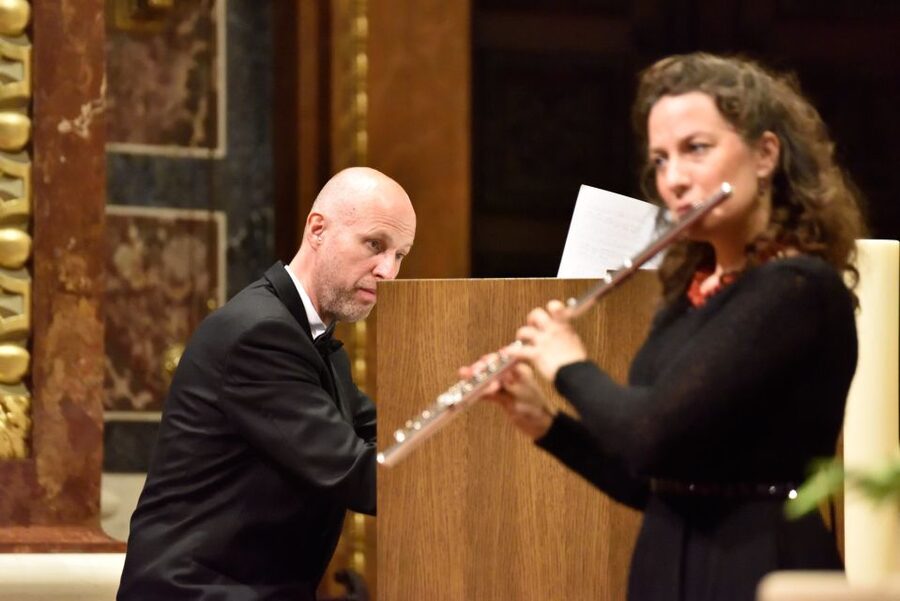
The value here comes from combining three things in one ticket: a prominent Budapest building, a varied classical program, and several established performers. You are not paying for a full city tour, dinner, or transport package. The ticket is focused on the concert itself.
That narrow focus can be a strength. If you already know what you want to do before and after the performance, you can arrange the rest of your evening independently. You also avoid spending time on attractions that do not interest you.
The tradeoff is that the ticket includes concert admission only. Pickup and drop-off cost extra, and no meal, guide, or additional sightseeing is included in the supplied details. I would compare the ticket price with other Budapest concert options by asking what matters most to you: the basilica setting, the organ, the vocal soloist, the seat location, or simple convenience.
For a music lover, the combination may justify a higher ticket than a standard sightseeing stop. For someone mainly interested in seeing the basilica, a daytime visit or exterior stop might be enough, and the concert would be a separate choice rather than an essential purchase.
Who should choose this concert
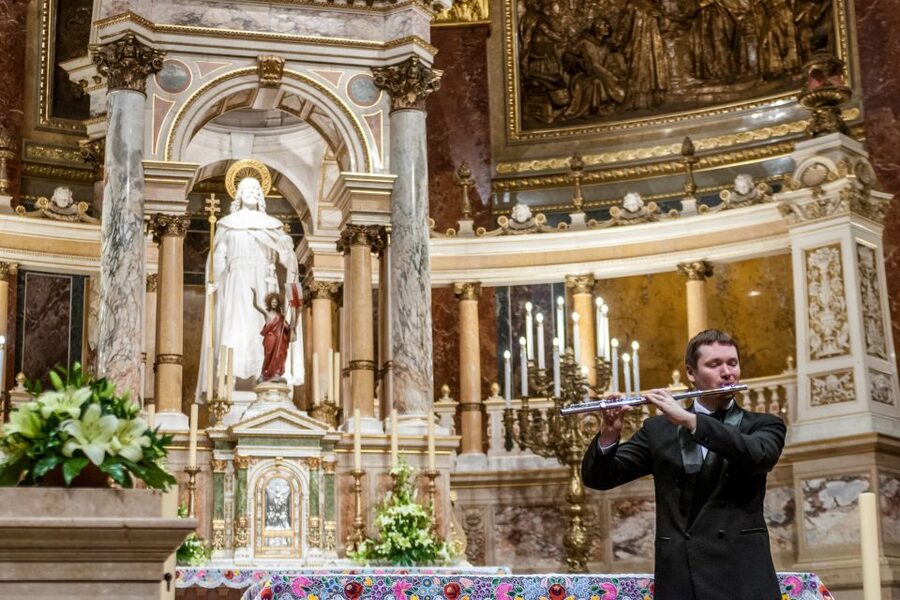
I would recommend this experience to you if you enjoy classical music, church interiors, or compact cultural evenings. It suits people who want a planned event with a clear meeting time and a defined location.
It is also a good fit if you enjoy variety. The program is not limited to organ music. You get major vocal works, flute, organ selections, opera material, and pieces by composers from Mozart’s era through the Romantic period.
You may want to think twice if you need transport included, dislike formal concert settings, or want a guided explanation of Budapest’s landmarks. No guide-led sightseeing is described, and the ticket does not include pickup or drop-off as standard.
The concert may also appeal to visitors with different levels of classical music knowledge. You can recognize Bach or Verdi, or simply listen to the changing sound of the instruments. The program provides enough variety to keep the evening from feeling like one long uninterrupted organ recital.
Should you book the St. Stephen’s Basilica concert?
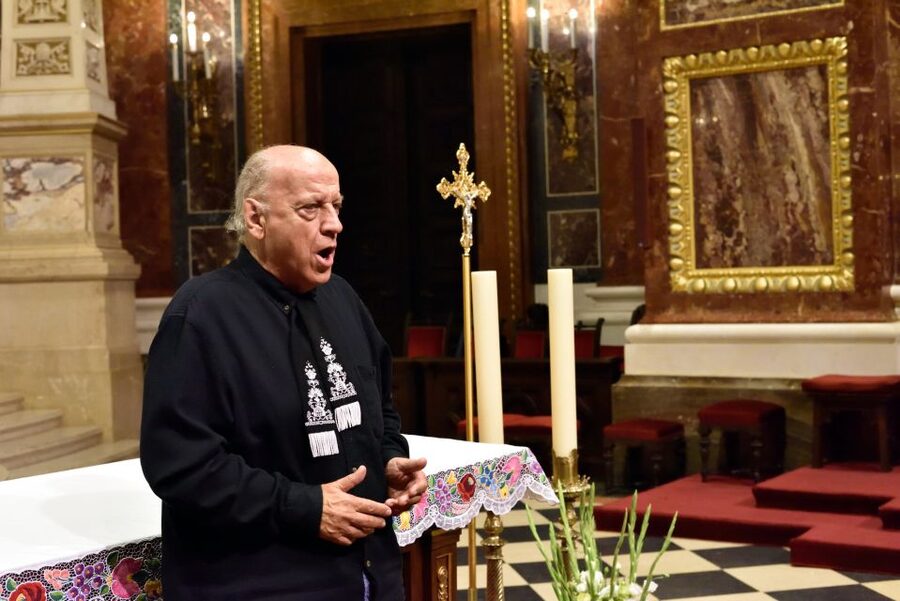
Book it if the idea of hearing organ, opera-style singing, and flute inside a major Budapest basilica appeals to you. The strongest reasons are the setting, the varied program, and the presence of Miklos Teleki, Kolos Kováts, and Eleonóra Krusic.
Choose your seat with care. Category I is best for proximity, Category II offers the middle range, and Category III may suit you if the music matters more than being near the performers. Also remember that you must reach the basilica by 19:40, and transport is not included unless you pay extra.
I would skip it if you are looking for a full Budapest tour, a meal, or a flexible drop-in attraction. This is a focused concert evening, and its value depends on how much you want that particular combination of classical music and basilica setting.
FAQ
Where does the organ concert take place?
The concert takes place at St. Stephen’s Basilica in Budapest, Hungary.
What time should I arrive?
You should come to St. Stephen’s Basilica at 19:40.
Who performs the organ music?
Miklos Teleki performs the organ works.
Who sings the arias?
Kolos Kováts performs the arias.
Who plays the flute?
Eleonóra Krusic performs the flute pieces.
What music is included in the program?
The program includes works by Mozart, Stradella, Albinoni, Liszt, Saint-Saëns, Verdi, and Bach.
What are the seating categories?
Category I covers rows 1 to 6, Category II covers rows 7 to 16, and Category III covers rows 17 to 26.
Is transportation included?
No. Pickup and drop-off are not included, but they are available for an additional cost.
What does the ticket include?
The ticket includes admission to the concert.
Just added around Budapest
- Budapest: Private Walking Tour with a Local Guide★ 3.6 · 6 reviews
- Budapest: Danube River Views Bike Ride★ 4.8 · 23 reviews
- Budapest: City Bike Tour with Coffee Stop★ 5.0 · 37 reviews
- Budapest: Vacation Photographer to collect great memories★ 5.0 · 49 reviews
- Walk to recent and aged spiritual sanctuaries near Budapest★ 5.0 · 5 reviews
- From Budapest: Guided Tour of Eger with Wine Tasting★ 4.5 · 6 reviews
- Audio visual multi-sensory chefs journey dinner experience★ 5.0 · 3 reviews
- Budapest: 3-Hour Trabant Sightseeing Tour★ 4.7 · 28 reviews
St Stephen's Basilica Tours, compared.

St. Stephen’s Basilica Entry with Terrace Option
Read our review →
Classical Music Concerts in St Stephen’s Basilica
Read our review →
St.Stephen’s Basilica Grand Organ Concert Tickets
Read our review →
Budapest Christmas Walking Tour & Entry to St Stephen’s Basilica
Read our review →
Budapest Christmas Market Tour with Basilica visit & Chimney cake
Read our review →Browse the lists this tour appears in