
Reviewed · BUDAPEST FOOD TOURS
Budapest: Hungarian Gastro Cellar and Assisted Tastings
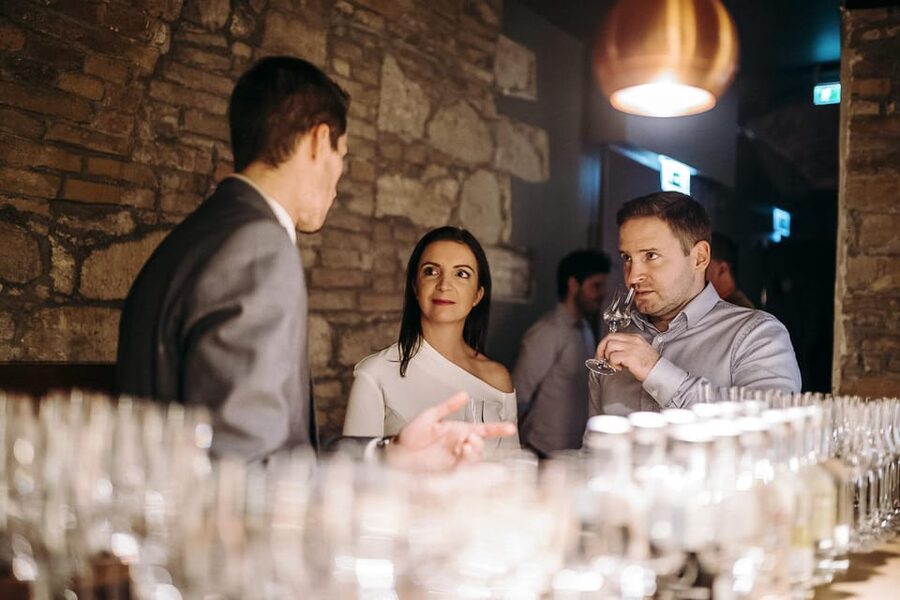
Hungarian cuisine is easiest to understand one bite and sip at a time. At this central gastro cellar, you can choose from more than 40 wines, over 20 pálinkas, handmade jams, syrups, and classic or lesser-known dishes, with an information booklet and assistance to guide your choices.
I like the freedom to arrive anytime during opening hours, and I like that every option includes a cold platter of cheeses and charcuterie. The main thing to consider is that the experience is self-paced rather than a fixed sightseeing tour, so visitors wanting a long, structured food walk may find it too limited.
Key points to know before booking
- More than 40 Hungarian wines: Learn about local wine regions, grape varieties, and producers while tasting selected wines.
- Over 20 pálinkas: Compare Hungary’s famous fruit brandy and hear about how it is made.
- A cold platter is included: Each option comes with cheeses and charcuterie, helping balance the drinks.
- Flexible timing: Arrive anytime between 2:00 p.m. and closing, rather than joining only one fixed departure.
- English or Hungarian assistance: An instructor and information booklet help explain what you are tasting.
- Good central-city value: At $17 per person, this is a modest way to sample local food and drink without paying for a full meal.
A practical introduction to Hungarian food and drink
This experience works best as a compact food stop in central Budapest. It is not built around a bus ride, a market visit, or a series of restaurant reservations. Instead, you visit one place and choose the tasting option that fits your appetite, curiosity, and tolerance for strong spirits.
That simple setup has real advantages. You do not need to give up half a day, and you can fit the tasting around museums, shopping, or an evening walk. Since you may arrive at any point during opening hours, you can use it as an early afternoon snack, a pre-dinner stop, or a relaxed pause between sightseeing stops.
The food and drink selection gives you a useful introduction to several parts of Hungarian cooking. Wine shows the country through its vineyards and grape varieties. Pálinka introduces a stronger and more distinctly local tradition. Jams and syrups offer a gentler route into Hungarian flavors, especially if you do not want alcohol.
The experience also includes contemporary and traditional Hungarian dishes. Goulash soup and chicken paprikash are the familiar names, but the focus is not limited to the dishes most often served outside Hungary. You may also encounter older Hungarian favorites and less familiar specialties that have remained part of local food culture.
More food tours in Budapest:
- Budapest: Guided Foodie Walking Tour with Food and Drinks
★ 4.9 · 453 reviews - Budapest Food Tour: Market to Tavern with 14+ Tasters & Wines
★ 5.0 · 434 reviews - Budapest Culinary & Wine Walk
★ 5.0 · 397 reviews
Choosing between wine, pálinka, jams, and syrups
You choose the tasting category rather than being placed into one set menu. That choice matters, since each option gives you a different view of Hungary.
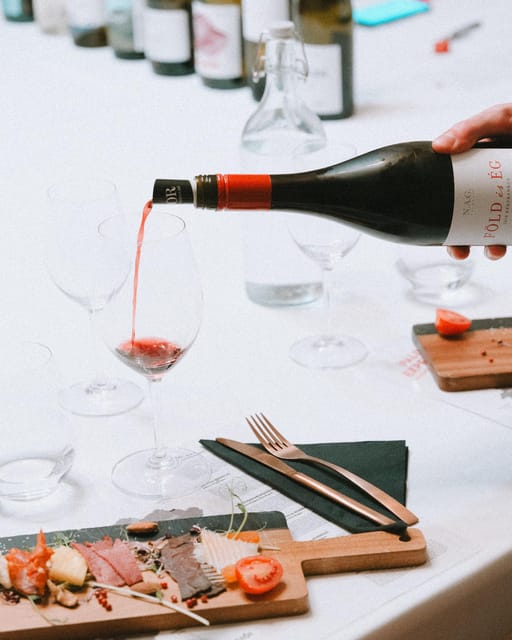
The wine tasting is the best fit if you want context as well as flavor. Hungarian wine is often less familiar to international visitors than wine from France, Italy, or Spain, yet the country has many distinctive growing areas and grape varieties. The instructor can help connect the glass in front of you with its region, grape, and producer.
You should choose wine if you enjoy comparing lighter and fuller styles, or if you want a drink that works well with the cold platter. The information booklet gives you something to read as you taste, which is useful if you prefer to follow details at your own pace.
Pálinka is a different experience. This traditional Hungarian fruit brandy is much stronger than wine, so the tasting can feel more concentrated and direct. The selection includes more than 20 pálinkas, giving you the chance to compare different domestic examples and learn about production.
I would choose pálinka when you want a clear connection to Hungarian drinking culture. It is also a good pick for someone who already enjoys fruit brandies and wants to understand how Hungarian versions differ. If you usually prefer mild drinks, jams, syrups, or wine may be a better match.
The handmade jams and syrups offer the least alcoholic option. They are suitable if you want to focus on flavor without making the tasting about wine or spirits. The supplied details do not specify the individual fruit varieties, so you should check the available selection when booking or arriving.
Because you can choose the category, the experience suits mixed interests better than a fixed tasting. One person may focus on wine while another is more curious about pálinka. The exact tasting structure depends on the option selected, so read the available choices carefully before paying.
What the assisted tasting is like
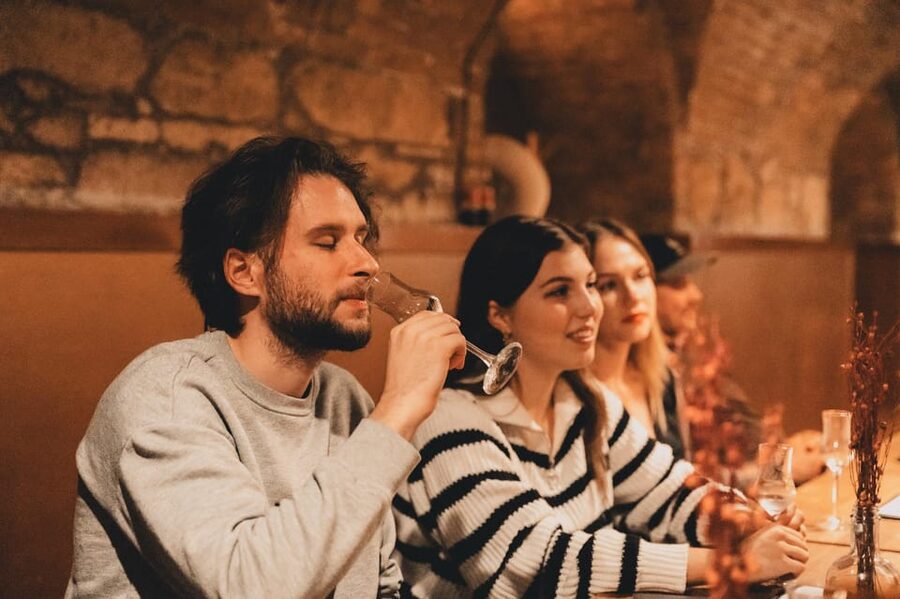
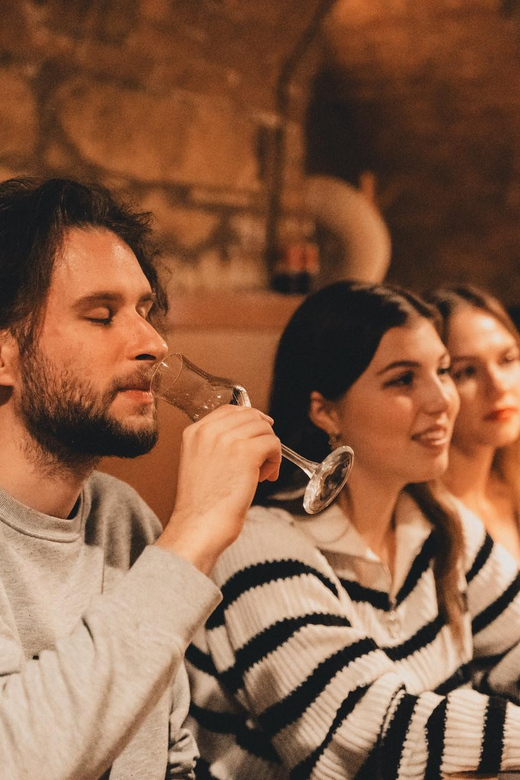
The word assisted is important here. You are not simply handed a glass or plate and left alone. An English or Hungarian instructor is available to explain the products, while the booklet gives you supporting information.
The guidance is likely to be most useful for visitors who do not already know Hungarian wine regions or pálinka styles. You can ask for help with the selections and use the explanations to make sense of flavors that may be new to you.
This is not described as a private lesson or a long formal presentation. Think of it as support during a flexible tasting. You have room to set your own pace, but you also have a person and printed information to help keep the experience from becoming a random sampling of drinks.
That balance is a strong point. Food and drink tastings can sometimes overwhelm you with names and facts, while an unguided sample can lack meaning. Here, the booklet and instructor give you enough background to connect the tasting with Hungarian regions, ingredients, and production methods.
English and Hungarian are the stated languages. If you need another language, do not assume assistance will be available.
The cold platter makes the $17 price more useful
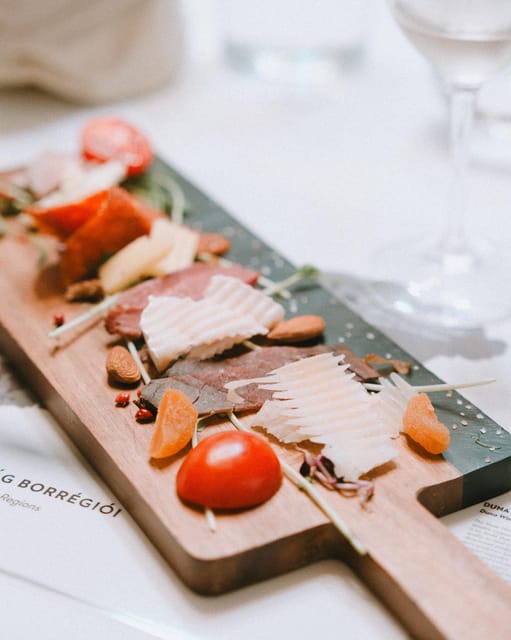
Every option includes a cold platter with charcuterie and cheeses. This is more than a small extra. Strong drinks, especially pálinka, are easier to approach when you have something savory to eat alongside them.
At $17 per person, the platter improves the value of the experience. You are not paying only for a few sips and a short explanation. You also receive food, printed information, and assistance in a central location.
The price is especially reasonable if you treat the tasting as a light meal or substantial snack. It may not replace dinner, since the included food is described as a cold platter rather than a full hot meal. Still, it can help you avoid booking a separate restaurant stop immediately before or after the tasting.
The platter also gives you a useful comparison point. Cheese and charcuterie can soften or sharpen the character of wine, and they provide a practical way to pause between stronger samples. If you select jams or syrups, the savory food may create an interesting contrast, though the exact pairings are not specified.
No full serving sizes are provided, so I would not book this expecting a large meal. Think of the price as a modest food-and-drink introduction, not an all-evening dining event.
Same city, a completely different sort of day:
- Budapest: City Highlights Cruise with Welcome Drink
★ 4.6 · 35,610 reviews - Budapest: Unlimited Prosecco, Beer and Aperol Spritz Cruise
★ 4.8 · 25,310 reviews - Budapest: Széchenyi Spa Day Ticket with Optional Upgrades
★ 4.3 · 23,911 reviews - Budapest: Nighttime or Daytime Sightseeing Cruise
★ 4.2 · 21,062 reviews
Classic dishes and less familiar Hungarian flavors
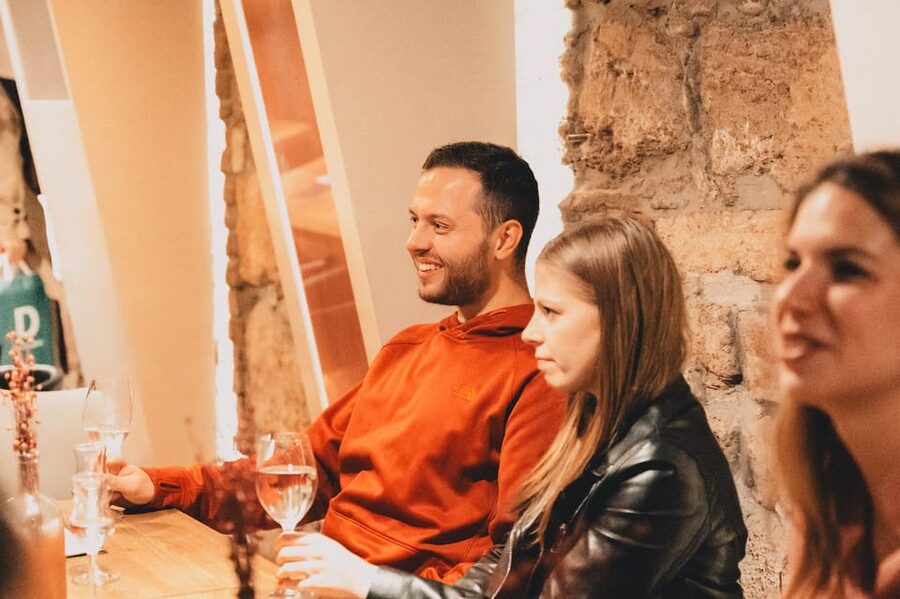
Hungarian food is often reduced to goulash, paprika, and heavy stews. Those foods matter, but this experience promises a wider view.
Goulash soup is one of the best-known Hungarian dishes, built around meat, paprika, and a warm, filling character. Chicken paprikash offers another familiar example, usually associated with paprika-rich sauce and a comforting home-style feel. These dishes give you an easy starting point if you want recognizable Hungarian flavors.
The more interesting promise is the inclusion of forgotten gastronomic favorites. These are dishes that may not appear on an international restaurant menu but still matter to Hungarian food culture. The available information does not name each one, so the exact selection can change.
That uncertainty is worth keeping in mind. If you need to know precisely what food will be served, ask before choosing your option. If you enjoy trying local specialties without needing a fixed menu, the less familiar dishes are part of the appeal.
The food component also helps place the drinks in context. Wine and pálinka are not separate from Hungarian cuisine. They belong to the same food culture as soups, sauces, preserved fruits, and savory cold foods. A tasting that includes both gives you a better sense of how Hungarians eat and drink than a drink-only stop would.
Timing your visit around Budapest sightseeing
The cellar is open from 2:00 p.m. every day. It closes at 11:00 p.m. from Sunday through Thursday, and at midnight on Friday and Saturday.
That schedule gives you several useful choices. An afternoon visit can break up a day of sightseeing. An early evening visit can serve as a warm-up before dinner. A later stop works well on Friday or Saturday, when the closing time extends to midnight.
The activity is valid for one day, and you should check availability for the starting times connected to your chosen option. The flexible arrival policy means you can come during the stated opening hours, but it is still sensible to confirm the exact conditions attached to your booking.
The central location is another practical advantage. No transport arrangements are included or needed as part of the experience, and the attraction is described as easy to reach. Since no exact address or nearby landmark is provided here, check the map details before setting out.
I would avoid placing the tasting too close to a major timed activity. A flexible food stop is useful precisely because it allows you to linger if the conversation or tasting takes longer than expected. Give yourself a little breathing room rather than rushing in from another appointment.
Who will enjoy this experience most
This tasting suits you if you want a low-cost introduction to Hungarian food and drink without committing to a full food tour. It is also a good choice for first-time visitors who want help choosing local wines or understanding pálinka.
Wine fans will get the most from the information about regions, grape varieties, and producers. Pálinka drinkers have a broad selection to compare. Visitors who do not want alcohol can look toward the jams and syrups, though you should confirm the exact contents of the chosen option.
The experience also works for couples or small groups with different tastes. The range of options means not everyone has to choose the same style of tasting, and the cold platter gives the group something to share.
I would be more cautious about booking it if you want a guided walk through Budapest, a cooking class, or a full meal with a fixed sequence of courses. None of those are described as part of this activity. Its strength is choice and convenience, not a long, theatrical program.
What to keep in mind before you go
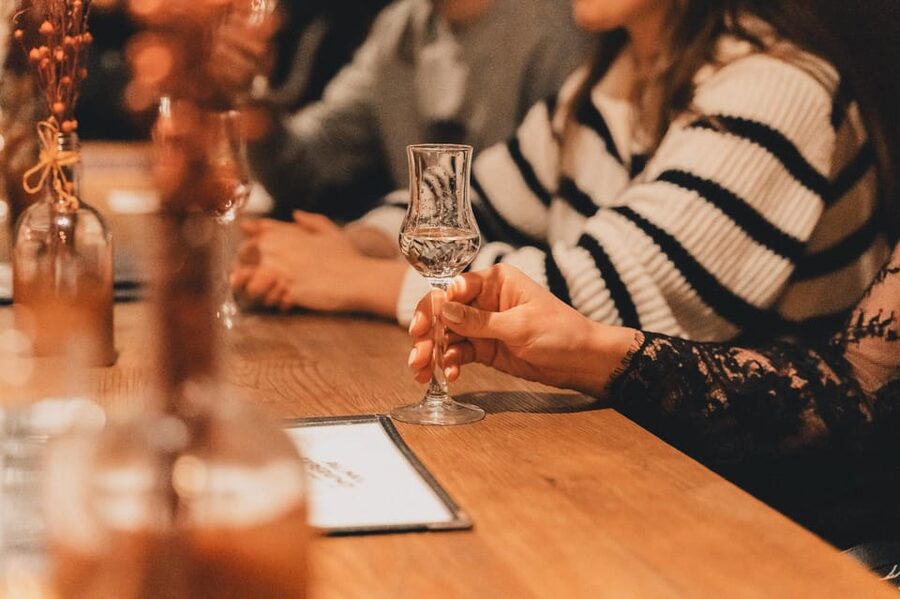
The biggest practical point is that this is a flexible tasting, not a timed tour with a published route. You come to the central cellar, select from the available tasting choices, and receive assistance and information while you sample.
The exact number of pours, portion sizes, and dish selection are not stated. That means you should avoid assuming that more than 40 wines or more than 20 pálinkas will all be served during one $17 option. Those figures describe the range available, not necessarily the amount included in a single tasting.
The same applies to the contemporary and traditional dishes. Goulash soup, chicken paprikash, and older favorites are part of the food offering, but the exact dish connected to your selected option is not specified.
The experience receives a 4.4 rating from five recorded ratings, with the clearest praise focused on the warm welcome and reasonable prices. That matches the main strengths of the format: straightforward help, a central setting, and a cost that stays manageable.
Cancellation is free up to 24 hours before the activity for a full refund. You can also reserve and pay later, which is handy if your Budapest plans are still moving around.
Should you book the Hungarian Gastro Cellar?
Book it if you want an easy and affordable way to sample Hungarian wine, pálinka, jams, syrups, and local food in one central stop. The $17 price is appealing because it includes a cold platter, assistance, and an information booklet rather than drinks alone.
Choose wine for regional and grape-based context, pálinka for a stronger local tradition, or jams and syrups for a gentler tasting. Just keep your expectations in line with the format: this is a flexible cellar tasting, not a full dinner, cooking lesson, or city walking tour.
For a first taste of Hungarian food culture with a warm welcome and no rigid departure time, I would book it. If you need a precise menu or a large meal, ask about the selected option first.
FAQ
Where is the Hungarian Gastro Cellar experience located?
It is in a central, easily accessible location in Budapest, Hungary. The specific street address is not provided in the activity details, so check the map information when booking.
How much does the experience cost?
The listed price is $17 per person.
How long is the experience?
The activity is valid for one day. You can check availability to see the available starting times.
Can I arrive at any time?
You can come anytime during the cellar’s opening hours, subject to the conditions of your selected option and availability.
What are the opening hours?
The cellar is open from 2:00 p.m. to 11:00 p.m. Sunday through Thursday. On Friday and Saturday, it is open from 2:00 p.m. to midnight.
What tasting choices are available?
Options include local wines, pálinkas, handmade jams, and syrups. The cellar has more than 40 wines and over 20 pálinkas available across its selection.
Is food included?
Yes. Every option includes a cold platter with charcuterie and cheeses.
Are Hungarian dishes available?
Yes. The food offering includes contemporary and traditional Hungarian dishes, with examples such as goulash soup and chicken paprikash.
What languages are available for assistance?
Assistance is available in English and Hungarian.
Can I cancel the booking?
Yes. You can cancel up to 24 hours in advance for a full refund. Reserve-now-and-pay-later booking is also available.
Just added around Budapest
- Budapest: Danube River Views Bike Ride★ 4.8 · 23 reviews
- Budapest: City Bike Tour with Coffee Stop★ 5.0 · 37 reviews
- Budapest: Private Walking Tour with a Local Guide★ 3.6 · 6 reviews
- Budapest: Vacation Photographer to collect great memories★ 5.0 · 49 reviews
- Walk to recent and aged spiritual sanctuaries near Budapest★ 5.0 · 5 reviews
- From Budapest: Guided Tour of Eger with Wine Tasting★ 4.5 · 6 reviews
- Audio visual multi-sensory chefs journey dinner experience★ 5.0 · 3 reviews
- Budapest: 3-Hour Trabant Sightseeing Tour★ 4.7 · 28 reviews
Budapest Food Tours, compared.

Guided Foodie Walking Tour with Food and Drinks
Read our review →
Budapest Food Tour: Market to Tavern with 14+ Tasters & Wines
Read our review →


10PM Budapest Danube Cruise with Live Music & Food or Drinks
Read our review →

Budapest Food Tasting Tour with Nelli & her local guides
Read our review →Browse the lists this tour appears in