
Reviewed · BUDAPEST WINE TASTINGS
Budapest: Essentials of Hungarian Wine Tasting Class
Hungary’s wine story is far more interesting than most visitors expect, and this two-hour class gives you a useful way into it. You taste eight Hungarian wines, moving from an aperitif through whites, reds, and a sweet Tokaj aszú, while a sommelier explains the regions, grapes, soils, and changing wine culture.
I like the small-producer focus and the generous food pairings, which make the tasting feel like an evening out rather than a formal lecture. I also like the friendly, social setup: guides such as Tomas, Carlos, John, and Sebastian have been praised for mixing solid wine instruction with humor and easy conversation.
The main consideration is the quantity of wine. Pours can be close to a full glass, not a tiny sample, so you may feel the effects before the class ends. One session also ran long and another had some background chatter, so the experience may be more relaxed and social than perfectly polished.
Key points to know before booking
- Eight wines in two hours: Taste sparkling or aperitif wine, whites, reds, and sweet Tokaj aszú.
- A real Hungarian wine primer: Learn about major regions, local grapes, soil, climate, winemaking history, and current trends.
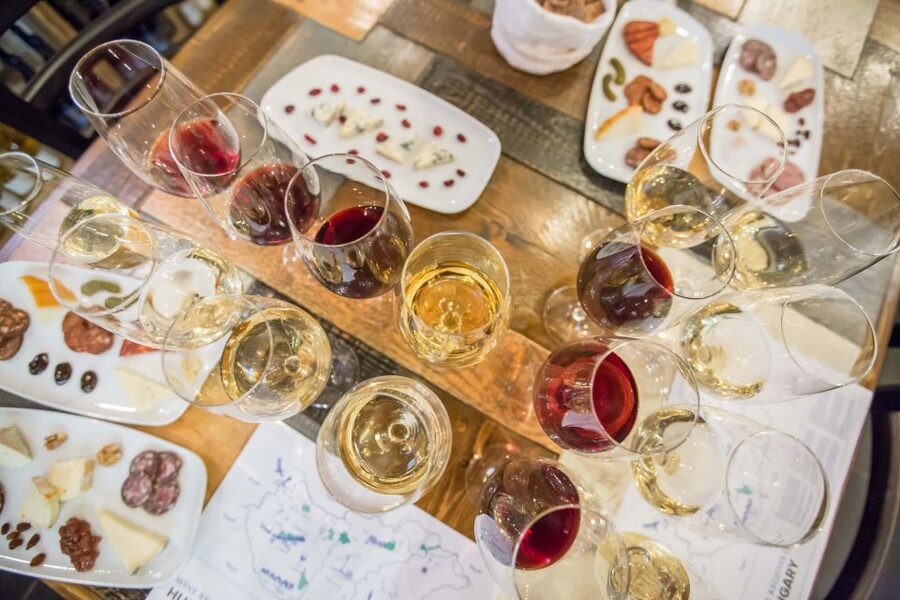
- Generous food pairings: Cheese, charcuterie, bread, and other Hungarian flavors help turn the class into a light dinner.
- A central Budapest setting: The Tasting Table is about 150 meters from the National Museum, near Astoria and Kálvin tér.
- Friendly, varied hosts: Guides including Tomas, Carlos, John, Sebastian, and others bring different personalities to the same basic format.
- Good value at $65: Eight pours, food, mineral water, instruction, and tasting notes make this a strong choice for wine-curious visitors.
Why Hungarian wine deserves two hours of your Budapest trip
Hungary is often associated with Tokaj, but that sweet wine is only one piece of the picture. The country produces dry whites, fragrant varieties, structured reds, rosé, sparkling wine, and unusual local styles that can be hard to identify on a restaurant list.
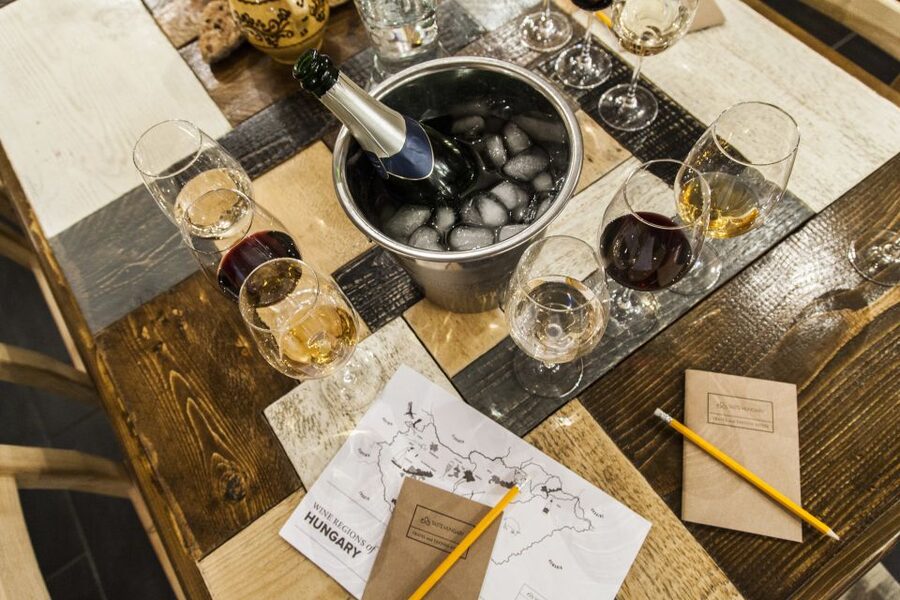
That makes this class useful early in your visit. Instead of ordering random Hungarian bottles, you get a map of the country’s wine regions and a basic idea of what each area contributes. You may leave with a new favorite grape, a short list of producers, or enough confidence to ask better questions at dinner.
The teaching is aimed at curious drinkers, not wine professionals. You do not need to know the difference between acidity and tannin before arriving. The format gives you context first, then lets you taste the point being made.
A good guide will explain why a wine tastes as it does, linking climate, soil, grape, and technique. Several hosts have been praised for explaining how Hungarian regions differ and how local conditions shape the wine. That kind of information matters because Hungarian labels can feel unfamiliar, especially when you see grape names you have never encountered.
More wine tastings in Budapest:
- Budapest: Premium Sightseeing Cruise with Tokaj Frizzante
★ 4.7 · 2,510 reviews - Countryside Half-day Gastro-Wine Tour from Budapest Meal & pickup
★ 5.0 · 1,450 reviews - Budapest: Wine, Cheese, and Charcuterie Tasting
★ 4.9 · 647 reviews
Arriving at The Tasting Table Budapest
The meeting point is The Tasting Table Budapest on Bródy Sándor utca 9 in District VIII. It is about 150 meters from the National Museum, and you can walk there in roughly five minutes from Astoria on the M2 metro or Kálvin tér on the M3.
Trams 47 and 49 also stop at Astoria and Kálvin tér. This is handy if you are spending the afternoon around the Great Market Hall, the National Museum, or the inner Pest neighborhoods.
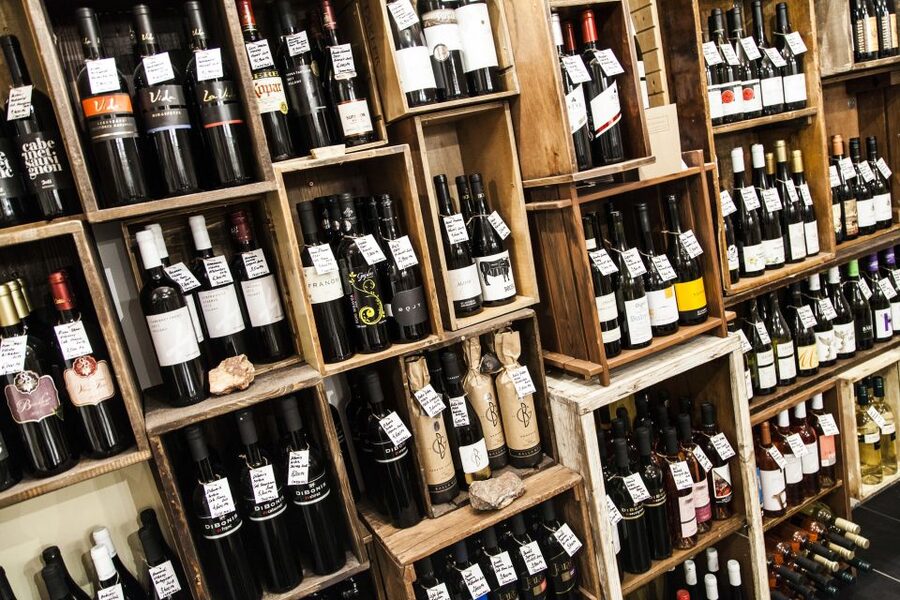
The shop and tasting room have an old cellar feel, with brick arches that give the evening a sense of place. It is not a vineyard setting, of course, but that is not the point. You are in central Budapest, close to restaurants and bars, with a practical base for learning about wines from across Hungary.
The setting is attractive without feeling overly formal. That helps if you are new to tasting classes. You can take notes, ask questions, and talk with the people at your table without feeling that you must perform as a wine expert.
The first glass sets the tone
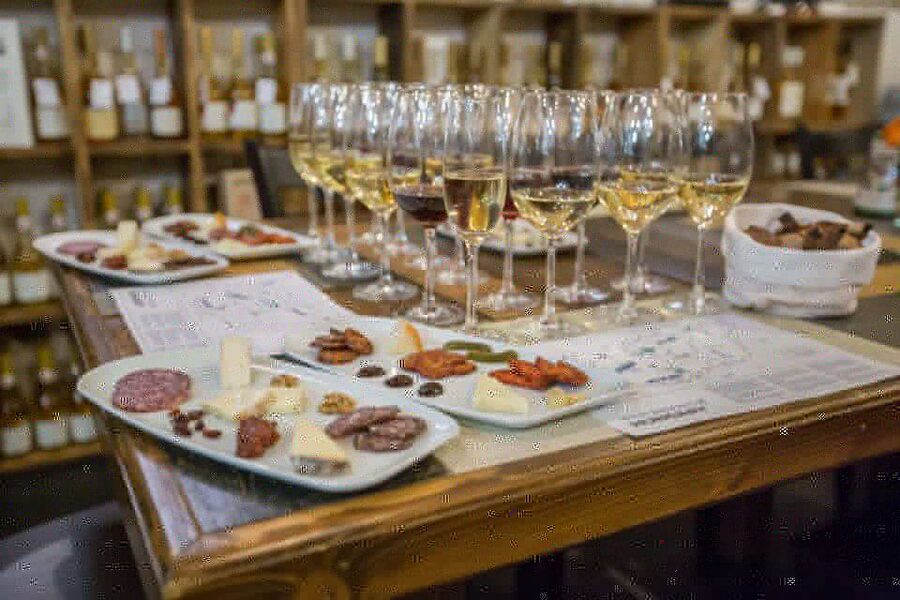
The tasting begins with an aperitif. The exact bottle can change, and the selection is intended to change over time, but the first wine gives the guide an easy way to introduce Hungarian wine and the structure of the evening.
From there, the class moves through the country in a broad, understandable sequence. You will usually encounter a mix of whites and reds, with perhaps a rosé, before finishing with a sweet Tokaj aszú wine.
That order works well. Lighter wines help you get comfortable with the tasting process, while the reds show another side of Hungary’s production. The final sweet wine provides a clear contrast and gives the evening a memorable finish.
You receive tasting sheets and a map of the Hungarian wine regions. Use them. After the fourth or fifth pour, names and grape varieties can start to blur, and the sheet gives you a place to record the bottles you might want to seek out later.
The tastings are not limited to famous labels. The wines are bought directly from producers the guides have come to know over the years, with most selections coming from small producers. Each wine has a reason for being included, so the class is more than eight unrelated glasses.
Eight wines, not eight token samples
The strongest value here is the amount of wine included. Eight wines over two hours is a serious tasting, especially at $65 per person. Several sessions have featured generous pours that felt closer to a regular glass than a restaurant sample.
That generosity is pleasant, but it also calls for some care. If you normally spit during a tasting, you may want to do so here. If you drink every pour, you could become quite tipsy by the end, particularly if you arrive without having eaten.
The class includes mineral water, and you should use it throughout the evening. Water helps you stay comfortable and keeps the flavors clearer as the wines become more substantial.
You will taste a wide range of styles, but the exact bottles are not fixed in the information provided. That is a benefit if you return to Budapest, since another visit may offer different wines. It also means you should not book expecting a specific vintage or producer unless the venue confirms it directly.
The class can be especially rewarding for someone who already enjoys wine but knows little about Hungary. You get enough variety to compare styles, yet the guide keeps the story tied to place and grape rather than simply presenting a row of bottles.
More cooking classes in Budapest:
- Budapest: Hungarian Chimney Cake Workshop in the City Center
★ 4.8 · 885 reviews - Budapest Cooking Class & Market Tour with Local Guide & Wines
★ 5.0 · 553 reviews - Chimney Cake Workshop Budapest Downtown – Kürtőskalács Class
★ 5.0 · 220 reviews - Budapest: Hungarian Cooking Class and Market Walk
★ 5.0 · 91 reviews
Local cheese, charcuterie, and Hungarian flavors
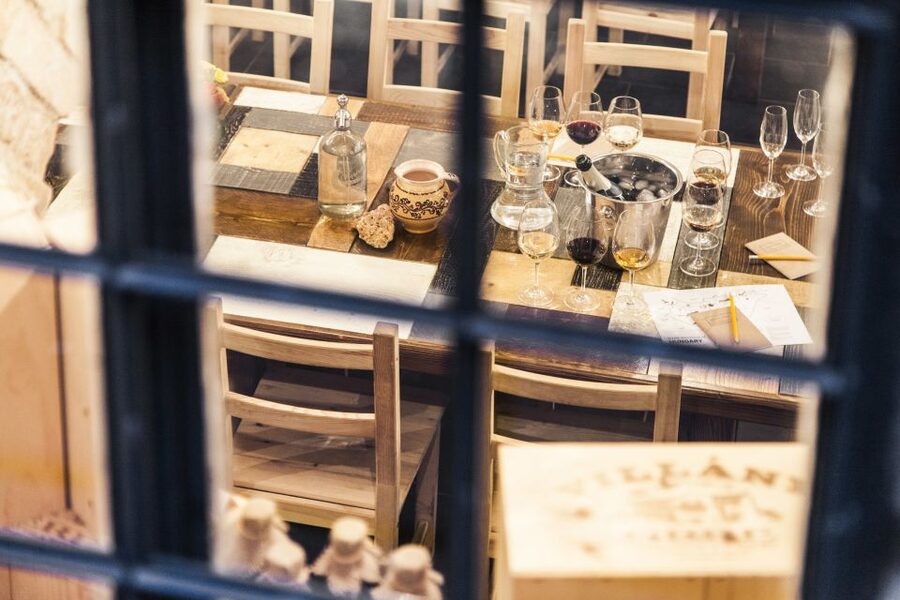
Food pairings are part of the experience, not an afterthought. Expect local cheeses, meats, bread, and other Hungarian flavors. The pairing boards have been described as generous enough to function as a light dinner, though one person felt more food would have been welcome.
I would plan on eating something small beforehand if you are used to a full evening meal. The food helps absorb the wine, but the class should still be understood as a tasting with substantial snacks, not a guaranteed restaurant dinner.
The cheese and charcuterie also make the wine easier to understand. A dry white can seem sharper on its own, then feel rounder with cheese. A red may show its structure more clearly beside cured meat. These simple comparisons are useful because they connect the lesson to the way you will actually drink wine during your trip.
Some sessions have included bread, pumpkin seed oil, chutney, and a selection of cheeses and meats. The exact spread can vary, but the recurring theme is local flavor rather than generic crackers.
This is one reason the class works well for couples and small groups of friends. You can taste seriously for a while, then relax over food and conversation. Solo visitors also have a good chance to meet people at the table, since the format naturally encourages discussion.
The guides make the difference
The basic wine lineup matters, but the host shapes the evening. Names that appear across sessions include Tomas, Carlos, John, Sebastian, Christian, Sam, Somali, and Nikki. You may not meet a particular guide, but the hosts have different styles and personalities.
Tomas is described as passionate about wine and especially good at explaining the regions. Carlos has been praised for his humor, country knowledge, and ability to keep the evening friendly. John has been noted for his personal story and his grasp of Hungarian wine areas.
Sebastian has hosted sessions that felt welcoming to solo visitors, while other guides have brought a relaxed international outlook to the discussion. The strongest pattern is not a single presentation style. It is the combination of wine knowledge, warmth, and a willingness to answer questions.
The class is not always a quiet seminar. One session had people talking continuously, making parts of the presentation difficult to hear. Another guide reportedly delivered more information than most people could retain, even while admitting that this might happen.
That is worth knowing if you want a tightly controlled professional tasting. The format is social and conversational. You may get a few side conversations, laughter, and a host who follows an interesting question longer than planned.
A likely evening schedule
The class lasts two hours and is generally offered on most evenings from 6:00 PM to 8:00 PM. Here is how the time typically works in practical terms:
- Arrival and introduction: You settle into the tasting room, meet the host and other participants, and receive your tasting sheet and regional map.
- Aperitif: The first pour opens the discussion and gives the guide a starting point for Hungarian wine.
- Whites and possible rosé: You begin comparing lighter styles, grapes, and regional traits.
- Reds: The class shifts to fuller wines and discusses how regions, climate, and winemaking affect body and flavor.
- Tokaj aszú: The final sweet wine provides a distinctive Hungarian finish and introduces one of the country’s best-known wine traditions.
- Conversation and possible purchases: You can ask follow-up questions, and the shop may provide an opportunity to buy wines you enjoyed.
Some evenings have lasted longer than two hours, especially when the group continues talking and tasting. Treat that as a possibility, not a guarantee. If you have a fixed dinner reservation immediately afterward, allow extra time.
How much value do you get for $65?
At $65, this is not the cheapest way to drink wine in Budapest. You could buy a bottle for less, and many restaurants offer Hungarian wine by the glass.
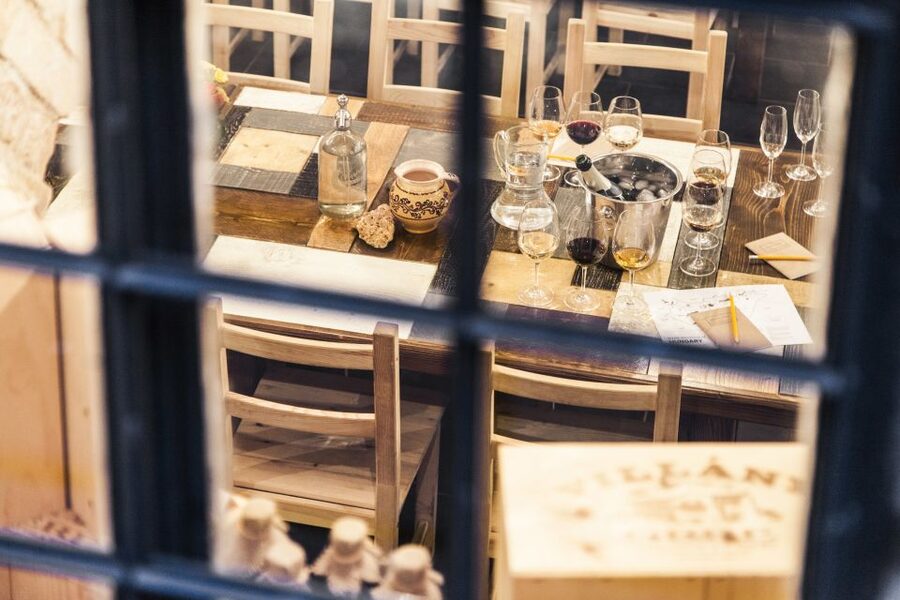
The difference is the structure. You receive eight wines, food pairings, mineral water, a sommelier-led explanation, tasting sheets, and a map. You also get access to bottles that may not be obvious to a first-time visitor browsing a shop.
The generous pours improve the value, but they also mean the price should not be judged only by the amount of liquid. The useful part is learning what you are drinking and why one region or grape differs from another.
The class can also save you money later. If you understand which styles you prefer, you are less likely to buy an expensive bottle simply because the label looks interesting. A few people have used the shop to purchase bottles after the class, and at least one session offered a discount on wines tasted.
For a wine enthusiast, the price is fair. For someone who wants only a quick sample and has little interest in explanation, it may feel like more class than needed.
Who should book this tasting?
I would recommend it to you if you like wine but do not know Hungarian wine well. It is also a strong choice for a first night in Budapest because the class gives you useful background for the rest of your meals.
Solo visitors can fit in comfortably, especially if you enjoy meeting people. Couples and friend groups will find it easy to share the evening, but the experience is not private.
It suits beginners because no specialist vocabulary is required. It also works for experienced wine drinkers who want regional detail and less familiar grape varieties. One host even managed to entertain someone confident enough to discuss unusual tasting notes, which suggests the class can stretch beyond basic introductions.
I would think twice if you dislike group activities, cannot comfortably drink several wines over two hours, or need a completely silent setting. This is a convivial class, not a private consultation.
The legal drinking age is 18 in Hungary, so participants aged 18 and older may join. English is the stated language.
Practical details before you reserve
The experience costs $65 per person and lasts two hours. Confirmation is provided at booking, and you can cancel up to 24 hours in advance for a full refund.
You can also reserve now and pay later, which is useful if your Budapest schedule is still moving around. A minimum of two participants applies, and the session may be canceled after confirmation if that minimum is not reached. In that case, you are offered an alternative or a full refund.
Book the 6:00 PM session if you want the tasting to serve as an early evening activity. You may finish in time for dinner, though I would leave room for extra conversation. If you want a full meal afterward, remember that the cheese and charcuterie may satisfy you more than expected, but the food offering can vary.
Wear something comfortable and arrive ready to take notes. The cellar setting is charming, and the map is genuinely useful for remembering where the wines came from.
Should you book the Hungarian wine tasting class?
Yes, if you want more than a few random glasses of local wine. The class gives you a clear introduction to Hungarian regions, grapes, styles, and producers, while the food and friendly hosts keep it from feeling like school.
The best reason to book is the combination of eight substantial pours and real regional context. The main caution is the same feature: you are drinking enough wine that you should pace yourself and use the water.
Choose this experience if you want an approachable evening near the National Museum, enjoy meeting other wine drinkers, and would like to leave Budapest with a better sense of what to order. Skip it if you want a private tasting or a full sit-down dinner. For most wine-curious visitors, $65 buys a useful lesson, plenty to taste, and a pleasant start to Hungary’s wine story.
FAQ
Where does the Hungarian wine tasting take place?
It takes place at The Tasting Table Budapest, Bródy Sándor utca 9, 1088 Budapest, in District VIII. The venue is about 150 meters from the National Museum.
How long does the tasting last?
The scheduled duration is two hours. The usual evening session runs from 6:00 PM to 8:00 PM, though some sessions may continue longer when conversation and tasting continue.
How many wines are included?
Eight Hungarian wines are included. The sequence usually begins with an aperitif, continues with whites and reds, may include rosé, and ends with a sweet Tokaj aszú wine.
Is food included?
Yes. The tasting includes local Hungarian food pairings, including cheeses, charcuterie, meats, bread, and other local flavors. Mineral water is also included.
Do I need previous wine experience?
No. The class is designed for anyone interested in learning about Hungarian wine. The sommelier explains the regions, history, grapes, characteristics, and styles during the tasting.
What language is the tasting offered in?
The stated language is English.
Can I cancel or pay later?
You can cancel up to 24 hours before the experience for a full refund. You can also reserve now and pay later, subject to the booking conditions.
More food tours in Budapest
- Budapest: Unlimited Prosecco, Beer and Aperol Spritz Cruise
★ 4.8 · 25,310 reviews - Budapest: Unlimited Prosecco, Beer & Aperol Spritz Cruise
★ 4.5 · 3,371 reviews - From Budapest: Etyek Wine Tasting Tour with 3-Course Meal
★ 4.8 · 557 reviews - Hungarian Wine Tasting (with Cheese and Charcuterie) in Budapest
★ 5.0 · 531 reviews
Just added around Budapest
- Budapest: Danube River Views Bike Ride★ 4.8 · 23 reviews
- Budapest: City Bike Tour with Coffee Stop★ 5.0 · 37 reviews
- Budapest: Private Walking Tour with a Local Guide★ 3.6 · 6 reviews
- Budapest: Vacation Photographer to collect great memories★ 5.0 · 49 reviews
- Walk to recent and aged spiritual sanctuaries near Budapest★ 5.0 · 5 reviews
- From Budapest: Guided Tour of Eger with Wine Tasting★ 4.5 · 6 reviews
- Audio visual multi-sensory chefs journey dinner experience★ 5.0 · 3 reviews
- Budapest: 3-Hour Trabant Sightseeing Tour★ 4.7 · 28 reviews
Budapest Wine Tastings, compared.
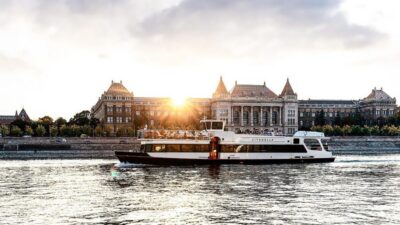
Premium Sightseeing Cruise with Tokaj Frizzante
Read our review →
Countryside Half-day Gastro-Wine Tour from Budapest Meal & pickup
Read our review →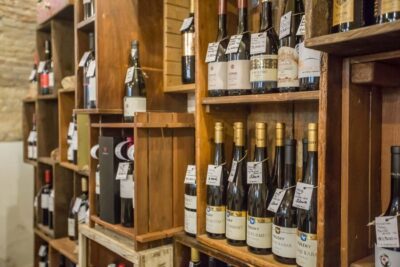
Budapest Cooking Class & Market Tour with Local Guide & Wines
Read our review →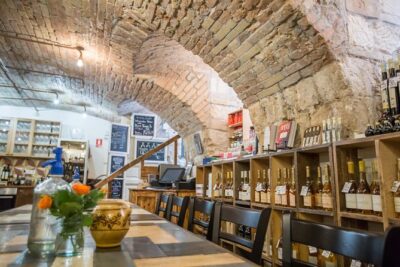
Hungarian Wine Tasting (with Cheese and Charcuterie) in Budapest
Read our review →
Budapest River Cruise with 1 Free Tokaj Frizzante and Audio Guide
Read our review →
Budapest Food Tour: Market to Tavern with 14+ Tasters & Wines
Read our review →Browse the lists this tour appears in