
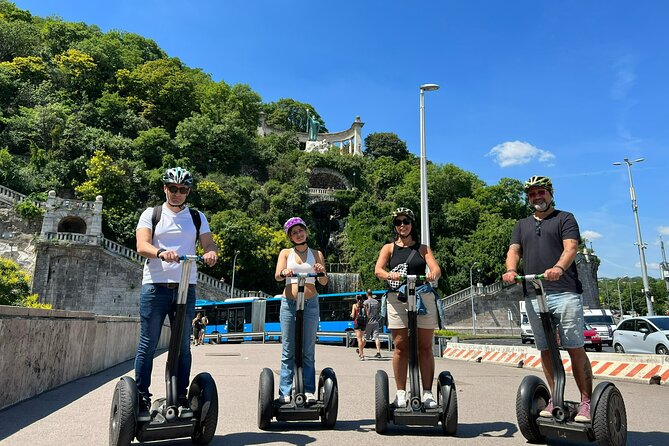
Reviewed · BUDAPEST SEGWAY TOURS
Budapest City Segway / Sightseeing Tours Buda+Pest
Budapest’s hills, bridges, grand avenues, and riverfront sights make it a fine city for a Segway tour. You can cover Buda and Pest in a few hours, with stops at Buda Castle, Fisherman’s Bastion, Parliament, the Chain Bridge, and more, without spending the day on foot. The early training session is designed for beginners, and guides such as Raed, Erik, Alex, Fouchs Ari, and Shapal have earned praise for clear instruction, good stories, and calm handling of nervous riders.
I like the efficient route, which gives you a quick sense of how Buda and Pest fit together, and I like the regular photo stops, including help from the guide when you want a picture of the whole group. The main consideration is that this is an orientation tour, not a full visit inside each sight. Five minutes at a landmark gives you a look, a story, and a photo, but not time for a museum or church tour.
Key points to know before you ride
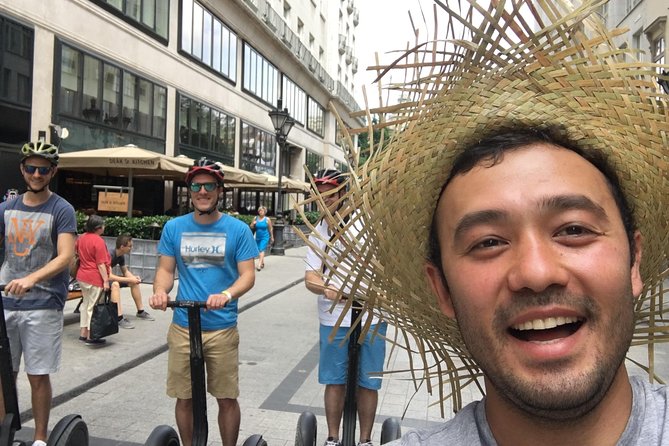
- A 15 to 20 minute practice session helps first-time riders learn the controls before the city route begins.
- The route links Buda and Pest, including Buda Castle, the Chain Bridge, Parliament, St. Stephen’s Basilica, and Heroes’ Square.
- Two hours is a popular middle ground, while longer options allow more ground and extra stops.
- Most of the route uses cycle paths, which can make the ride feel less stressful for beginners.
- The group is limited to 14 people, keeping the guide’s explanations and safety advice manageable.
- Children must be at least 8 years old and weigh at least 35 kilograms, and helmets are required.
Why a Segway works well in Budapest
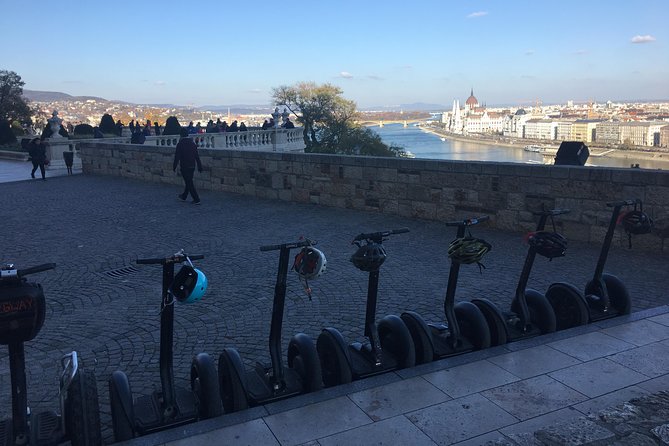
Budapest is spread along both sides of the Danube. Buda rises into hills, while Pest opens into broad boulevards and large public squares. Walking between the two sides is rewarding, but it takes time and can leave you with tired feet before the day is half over.
A Segway gives you a practical middle ground. You still move outdoors and see the city at street level, but you cover more ground than you would on foot. You can cross near the major bridges, roll along cycle paths, and pause at viewpoints without waiting for a bus or organizing several separate stops.
The ride begins at Zoltán utca 11 in central Budapest and returns there. After the guide explains the controls, you practice mounting, stopping, turning, and balancing. This matters. A few riders arrive worried about their first Segway experience, but the training and the guide’s supervision give you time to settle in before traffic, crowds, or uneven pavement enter the picture.
The experience is offered in English and can last from about one to five hours. The exact route depends on the time you choose, so do not assume that every one of the 25 listed sights receives a full stop on a short outing. A two-hour ride is a sensible choice for the main landmarks. Choose more time if you want a wider sweep through both districts.
More segway tours in Budapest:
- Budapest Highlights️ Live Guided Segway Tour
★ 5.0 · 898 reviews - 1.5 Hour Budapest Segway Tour – To The Castle Area
★ 5.0 · 614 reviews - Budapest: 1.5-Hour Fun Segway Sightseeing
★ 4.9 · 583 reviews
Starting in Buda with the castle district
The Buda section usually gives you the strongest views and the most noticeable slopes. The first listed stop is the Museum of Military History, which offers a useful reminder that Buda Castle Hill has long been tied to Hungary’s military and royal past. The stop itself is brief, so think of it as a short introduction rather than a museum visit.
Fisherman’s Bastion is one of the best photo points in Budapest. Its pale towers frame the Danube and the Pest side, with Parliament often visible across the water. You get a quick pause here to look around and take pictures, but the tour does not include admission to an indoor exhibition.
Nearby Buda Castle forms the core of the old royal quarter. Your guide can place the buildings and streets in context while you take in the hilltop setting. The value here is orientation. Instead of seeing the castle as an isolated postcard, you begin to understand its relationship to the river, the bridges, and the lower city.
Matthias Church adds another layer to the castle district. Its patterned roof and ornate exterior make it easy to recognize, even during a short stop. If the church is high on your list, plan a separate visit, since the Segway schedule allows only a brief look.
Buda’s hillier streets are one reason the training matters. You will use the machine’s controls constantly, and you need to follow the guide’s instructions rather than stare only at the buildings. That is a fair trade for seeing the castle area without walking every incline.
Crossing the Danube by the Chain Bridge
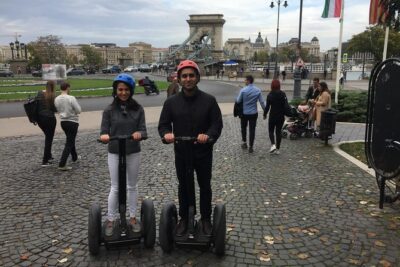
The Chain Bridge is the visual hinge of the ride. Its stone towers and suspension chains connect Buda and Pest, and the lion statues at its entrances provide a natural photo stop. Seeing the bridge from a Segway gives you a quick sense of how the two halves of the capital connect.
You also pass near the Elisabeth Bridge, Margaret Bridge, and the lion statues of the Chain Bridge. These are not simply repeated bridge views. Each crossing points to a different part of the city, and your guide’s commentary helps you read the river as part of Budapest’s layout.
A bridge crossing can be one of the more exposed parts of an outdoor tour. The supplied equipment includes helmets, and gloves or a raincoat can be provided if needed. Still, dress for the weather and remember that the ride goes ahead outdoors unless the operator makes a change.
Parliament, the riverbank, and central Pest
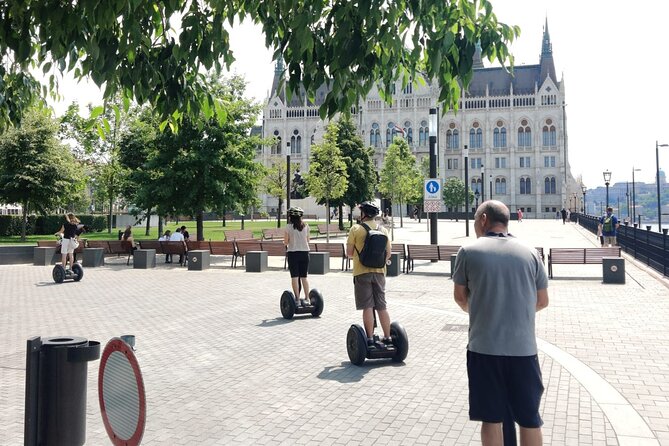
On the Pest side, the Hungarian Parliament Building is the grandest stop. Its riverfront position and pointed details make it one of the city’s easiest landmarks to appreciate from outside. The tour focuses on views and explanation, not an interior visit, so reserve a separate ticket if you want to go inside.
The Shoes on the Danube Bank memorial calls for a quieter pause. The shoes represent people killed along the river during the Second World War. Even with a short stop, this is a place where you should slow down and listen rather than treat it as just another picture point.
St. Stephen’s Basilica brings you into central Pest. The church is named for Stephen, Hungary’s first king, and its location near major streets makes it a useful point for understanding the city center. Again, the short stop gives you the outside setting and basic context. It is not enough for a detailed interior visit.
The Ferris Wheel of Budapest, also called the Budapest Eye, adds a modern reference point among the older buildings. Central Market Hall offers another change of scene, with its large historic market building and food stalls. A five-minute stop is enough to identify it, but not enough to browse properly or eat. If you want paprika, pastries, or a market lunch, return on your own.
The Hungarian National Museum and the House of Terror Museum are also included as passing points. Both are important cultural stops, but neither can be experienced fully from the pavement. Their presence on the route is useful for orientation, especially if you plan to return later with more time.
Same city, a completely different sort of day:
- Budapest: City Highlights Cruise with Welcome Drink
★ 4.6 · 35,610 reviews - Budapest: Unlimited Prosecco, Beer and Aperol Spritz Cruise
★ 4.8 · 25,310 reviews - Budapest: Széchenyi Spa Day Ticket with Optional Upgrades
★ 4.3 · 23,911 reviews - Budapest: Nighttime or Daytime Sightseeing Cruise
★ 4.2 · 21,062 reviews
Andrássy Avenue and the grand Pest sights
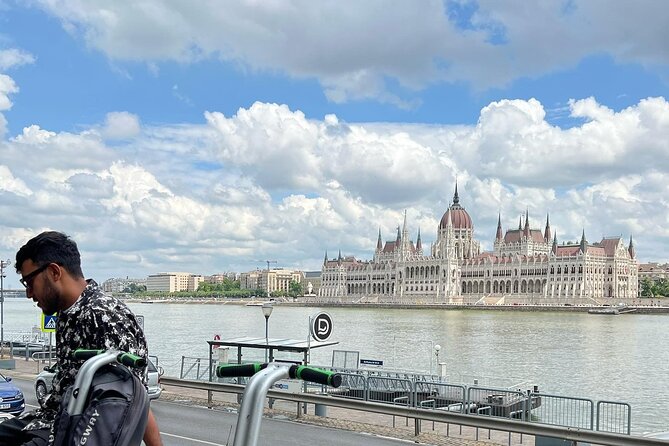
Andrássy Avenue gives the ride a different rhythm. This broad, elegant route is lined with ornate buildings, shops, restaurants, and cultural institutions. It leads toward Heroes’ Square and helps you see how central Budapest extends beyond the riverfront.
The Hungarian State Opera House is one of the avenue’s major architectural highlights. You will have time to stop, hear a little background, and take a picture. You will not have time for an opera performance or a full interior tour, so treat this as a preview.
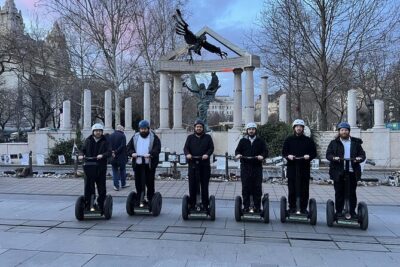
Heroes’ Square is among the most useful longer-route additions. The monumental statues and open space provide a clear introduction to Hungarian national history and public art. One rider specifically found the extra hour worthwhile for reaching the square. I agree with that judgment if you have enough time, since it broadens the tour beyond the usual river and castle views.
Vajdahunyad Castle, near the City Park, gives you another photogenic change of style. Its unusual collection of architectural forms makes it a memorable stop, even if you do not enter. The nearby Széchenyi Baths and Pool are also included on the extended route. You will see the famous bathing complex, but the Segway tour does not include bathing time, so save that for another part of your day.
Margaret Island and Gellért Hill
Margaret Island offers a break from the dense central streets. The island sits in the Danube between Buda and Pest and gives the route more open space. Margaret Bridge is another useful viewpoint, designed by French engineer Ernest Goüin and built between 1872 and 1876.
The island and bridge stops are especially useful on a longer tour. They show you a quieter side of Budapest and make the city feel larger than the familiar postcard circuit. On a one-hour outing, these farther stops may not receive the same attention as the castle and Chain Bridge area.
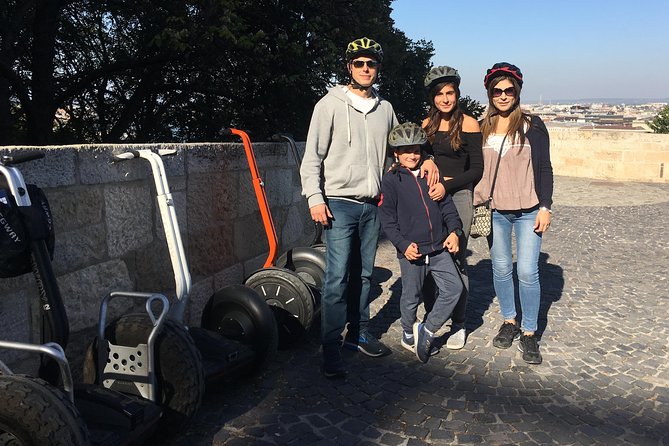
Gellért Hill is one of the city’s best lookout points. From above, you can connect the river, bridges, castle district, and Pest plain in one view. The Citadella sits atop the hill and offers a strong panorama, although the hill also brings steeper riding and requires attention to balance and instructions.
The Gellért Hill Cave and the nearby Gellért Thermal Bath and Swimming Pool add two more landmarks to the extended route. The cave is a short sightseeing stop, not a cave exploration program. The bath is also viewed from outside. If you want to soak, you need a separate visit and enough time in your schedule.
The St. Elizabeth Statue appears among the additional stops. Like several other points on the route, it works best as part of the guide’s wider explanation of Budapest rather than as a destination that justifies a separate trip.
What the guides add to the ride
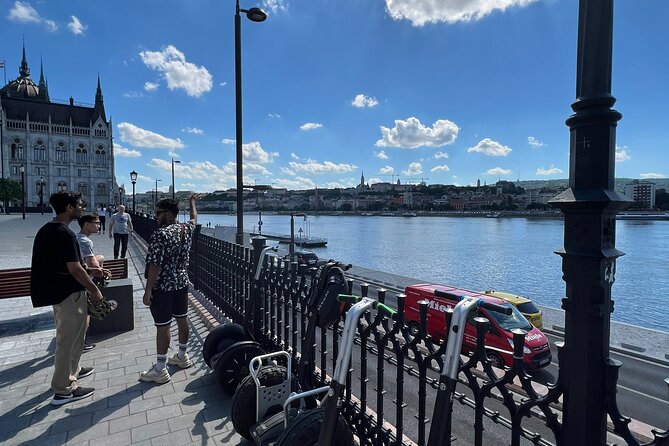
The quality of this experience depends heavily on the guide. A good guide has to do three jobs at once: teach the Segway, keep the group together, and explain Budapest without burying you in dates.
Raed is praised for patient training, friendly energy, safety awareness, and useful photo help. One especially thoughtful detail was his offer of a shirt when the weather turned cold. Erik is described as fun and reassuring, while Alex is praised for engaging explanations of Buda and Pest and for answering questions. Fouchs Ari helped with Hungarian pronunciation and historical context, and Shapal is noted for clear city commentary.
Guide assignments can change, so you should not book expecting one particular person. The useful pattern is clear: the strongest part of the guiding is the combination of safety help, short historical explanations, and photo stops. One small limitation is that the commentary may not cover every difficult part of Hungarian history in equal depth. If you want more detail about the Soviet occupation or another subject, ask directly.
Price, timing, and who gets good value
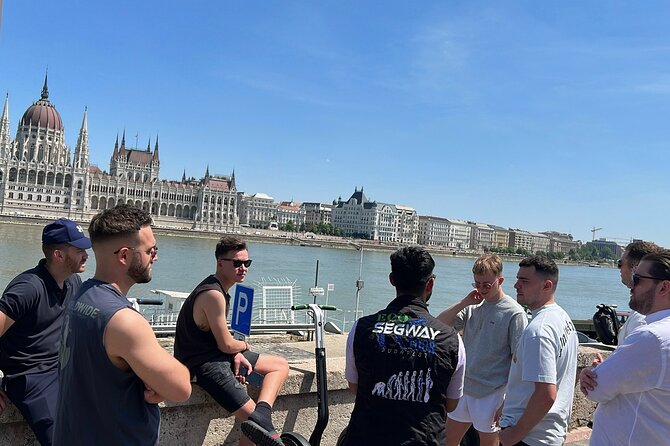
At $47.18 per person, the tour offers fair value if you want a broad first look at Budapest. The price includes the Segway, helmet, guide, training, and photos or video at the best spots. Gloves and a raincoat are available if necessary. Coffee and tea are not included, and gratuities are optional.
The value is strongest for a first day in the city. You can identify places you want to revisit, learn the basic shape of Buda and Pest, and avoid spending hours walking between far-flung sights. It is less valuable if you want long museum visits, interior tours, or a slow food-focused outing.
The maximum group size is 14 people. That is large enough to feel like a group activity, but small enough for a guide to provide instructions and answer questions. Morning and afternoon departures give you some control over your schedule.
The tour is generally suitable for most people, but you need to be comfortable standing and steering for the selected duration. Children must be at least 8 years old and weigh at least 35 kilograms. Anyone uncertain about balance should use the full training period and tell the guide before setting off.
Free cancellation is available up to 24 hours before the start time for a full refund. Changes or cancellations inside that window are not accepted for a refund.
Is Budapest City Segway Tours Buda and Pest right for you?
Book this tour if you want to see a lot of Budapest quickly, prefer outdoor sightseeing, and like having a guide connect the landmarks with short stories. It is particularly useful early in your stay, when you need to get your bearings fast. A two-hour option gives you a good balance of main sights and manageable riding time.
Choose a longer option if Heroes’ Square, Margaret Island, Gellért Hill, or the City Park sights matter to you. Choose another type of tour if your main goal is entering Parliament, touring museums, visiting Matthias Church in detail, or spending time at Széchenyi or Gellért Baths.
For first-time riders, the training and the calm guidance reported from Raed, Erik, Alex, Fouchs Ari, and Shapal are reassuring. You will still need to pay attention, but the experience is built to help beginners get moving. At $47.18, it is a practical way to see the city’s major outline, with enough personal guidance to make the ride more than simple transport.
FAQ
How long does the Budapest Segway tour last?
The experience lasts approximately one to five hours, depending on the option selected. A two-hour tour is available and focuses on seeing the main sights efficiently.
Where does the tour begin and end?
The meeting point is Budapest, Zoltán u. 11, 1054 Hungary. The activity ends back at the same meeting point.
Is the tour offered in English?
Yes. The tour is offered in English with a live guide.
Is Segway training included?
Yes. Training normally lasts 15 to 20 minutes and takes place before the sightseeing route.
Are helmets provided?
Yes. Helmets are included in the price and are compulsory during the tour.
What age and weight rules apply to children?
Children must be at least 8 years old and weigh at least 35 kilograms.
What sights can the tour include?
Stops can include Buda Castle, Fisherman’s Bastion, the Museum of Military History, Parliament, the Chain Bridge, St. Stephen’s Basilica, Andrássy Avenue, the Opera House, Heroes’ Square, Margaret Island, Gellért Hill, the Citadella, Central Market Hall, Matthias Church, and other Budapest landmarks.
Can I cancel for a full refund?
Yes. You can cancel at least 24 hours before the experience start time for a full refund. Cancellations or changes made less than 24 hours before the start time are not accepted for a refund.
Just added around Budapest
- Budapest: Danube River Views Bike Ride★ 4.8 · 23 reviews
- Budapest: City Bike Tour with Coffee Stop★ 5.0 · 37 reviews
- Budapest: Private Walking Tour with a Local Guide★ 3.6 · 6 reviews
- Budapest: Vacation Photographer to collect great memories★ 5.0 · 49 reviews
- Walk to recent and aged spiritual sanctuaries near Budapest★ 5.0 · 5 reviews
- From Budapest: Guided Tour of Eger with Wine Tasting★ 4.5 · 6 reviews
- True Crime Walking Tour in the Buda Castle district★ 5.0 · 26 reviews
- Audio visual multi-sensory chefs journey dinner experience★ 5.0 · 3 reviews
Budapest Segway Tours, compared.
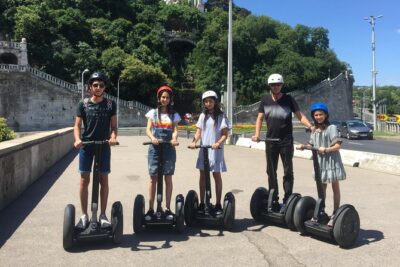
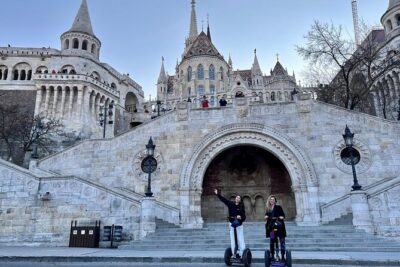
1.5 Hour Budapest Segway Tour – To The Castle Area
Read our review →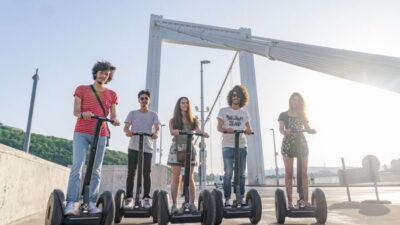
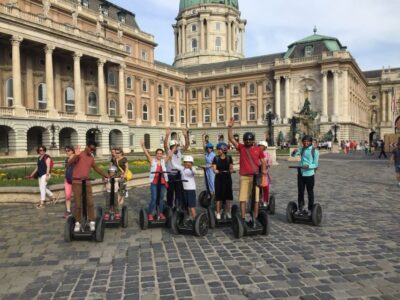
3 Hours Budapest Segway Grand City Tour Buda, Margaret and Pest
Read our review →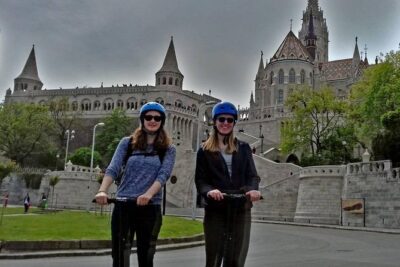
Browse the lists this tour appears in