
Reviewed · BUDAPEST COOKING CLASSES
Chimney Cake Workshop Budapest Downtown – Kürtőskalács Class
The best part of this Budapest class is simple: you make three real kürtőskalács from prepared dough, then watch them bake before rolling them in sugar, cinnamon, or coconut. I like the hands-on format and the chance to learn a Hungarian street food you can try again at home. The main caution is that the class can feel rushed when the next session is waiting.
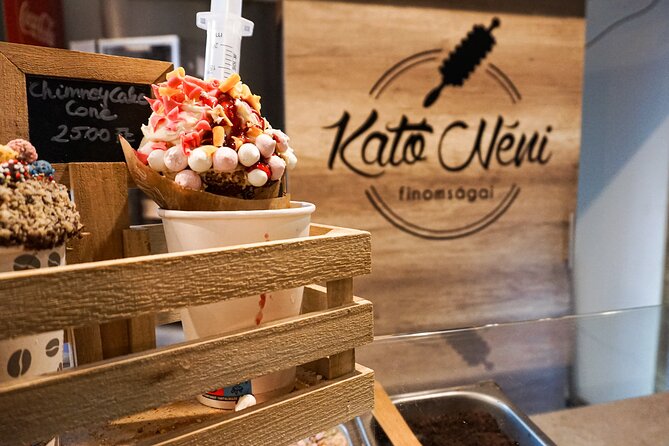
I also like the setting. You meet at Kató Néni Finomságai, a central chimney cake shop near St Stephen’s Basilica, then head downstairs to the small workshop. Guides such as Mira, Tabitha, Virág, and Kate or Katy have been praised for clear, patient instruction. The basement staircase and standing setup may not suit everyone, especially families with babies or anyone with mobility issues.
Key points to know before booking
- You make three chimney cakes: Each attempt gives you another chance to improve your dough shaping and baking technique.
- The workshop is beneath a working bake shop: This feels more connected to local food than a formal cooking school, though the space is compact.
- Flavor choices are traditional: Sugar, cinnamon, and coconut are usually available, with no elaborate fillings or extras.
- The group can include up to 12 people: That is small enough for personal help, but the class can feel busy at full capacity.
- You leave with useful souvenirs: Your cakes go into paper bags, and you receive a printed recipe and a certificate.
- It lasts about 75 minutes: Some sessions finish closer to an hour, so treat this as a brisk workshop rather than a long meal.
Making kürtőskalács near St Stephen’s Basilica
Kürtőskalács is one of Hungary’s best-known sweet street foods. The name means chimney cake, a reference to its hollow, spiraled shape and the way steam rises from the warm center. It is made from sweet yeast dough wrapped around a cylinder, coated with sugar, and baked until the outside turns crisp and caramelized.
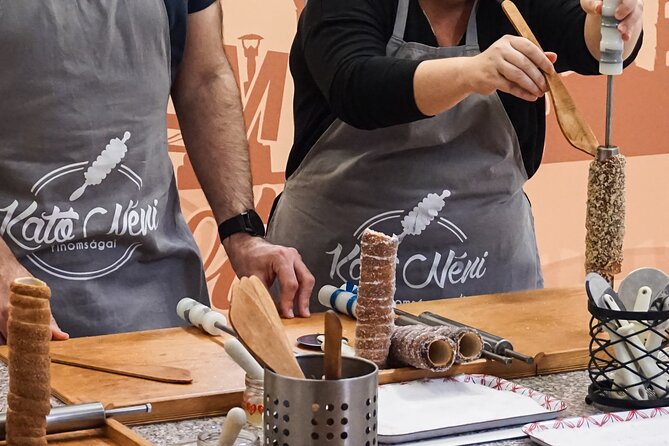
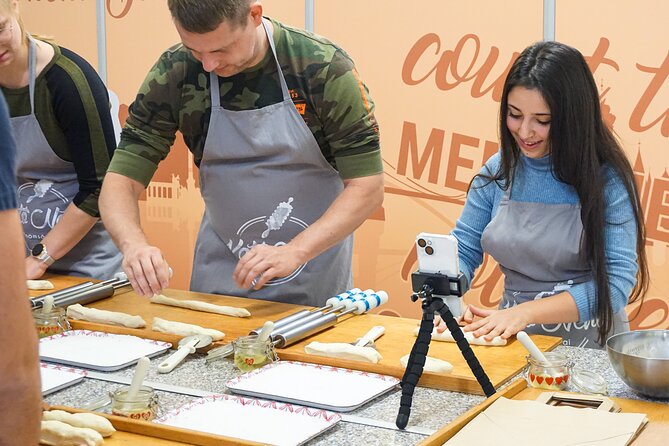
You do not simply watch someone make one. The instructor explains how the dough is prepared and how to work it, then takes you through the process step by step. You make three cakes, which matters more than it may sound. The first can feel awkward, while the second and third give you time to correct your technique and produce a better-looking result.
The class uses a traditional recipe without a long list of toppings or modern fillings. That simplicity is part of the appeal. You learn the basic form of the pastry, then choose from the usual coatings: plain sugar, cinnamon, or coconut. The result is closer to the warm street food you might buy around Budapest than to a decorated dessert from a tourist workshop.
More cooking classes in Budapest:
- Budapest All in One Small Group Walking Tour with Strudel Stop
★ 5.0 · 1,277 reviews - Budapest: Hungarian Chimney Cake Workshop in the City Center
★ 4.8 · 885 reviews - Budapest Cooking Class & Market Tour with Local Guide & Wines
★ 5.0 · 553 reviews
Finding the workshop in the downtown shop

The meeting point is Kató Néni Finomságai DowntownBudapest at Október 6. u. 6, 1051 Hungary. The shop is close to St Stephen’s Basilica, making it easy to pair the class with sightseeing in central Budapest.
Look for the bake shop rather than a separate cooking-school entrance. The workshop area is downstairs, behind the shop counter. You should tell the staff you have arrived for the class before going farther into the premises. One useful detail is that the staircase can be steep, and there may be no seats for the full session, so wear comfortable shoes and be ready to stand.
The downstairs room is described as clean and organized, with stations prepared for each participant. It is not a large teaching kitchen. At the maximum group size of 12, you will be working close to other people, which can make the atmosphere social but also a little crowded.
That compact setup has a practical benefit: you are not hidden at the back of a big demonstration room. The instructor can see what you are doing and help when a strip of dough breaks or a cake starts to lose its shape. One particularly kind moment described in the class experience involved the group sharing a cake after one person’s attempt fell apart. That is the sort of small mishap you should expect in a hands-on class, not treat as failure.
Shaping three cakes, one after another
The teaching begins with the dough. You learn how it should feel and how to work it before forming the long strip used for the spiral. The process sounds easy, but even spacing the dough around the cylinder takes some care. If the strip is too thick, too thin, or uneven, the finished cake will show it.
The first cake is your practice round. The instructor demonstrates the method, then helps you follow along at your own station. Several instructors have been praised for giving clear directions and staying patient as the class works through the steps. Tabitha, in particular, has been singled out for explaining the process in a way that was easy to follow.
By the second and third cakes, you should have a better sense of how tightly to wrap the dough and how to keep the spiral even. You also get a chance to take pictures of your work as it improves. One instructor made time for photographs during the process, which is useful because the best-looking cake is often not the first one.
The class is designed for beginners. You do not need serious baking experience, and the process is broken into manageable steps. Still, this is an active class, not a demonstration where you sit back and sample food. You will be standing, handling dough, following instructions, and keeping up with the group.
Baking and choosing your coating
Once the cakes are shaped, they are baked. This is the satisfying part of the class because you can see the dough change from a soft spiral into a firm, golden pastry. The sugar coating helps create the crisp outside that gives kürtőskalács its character.
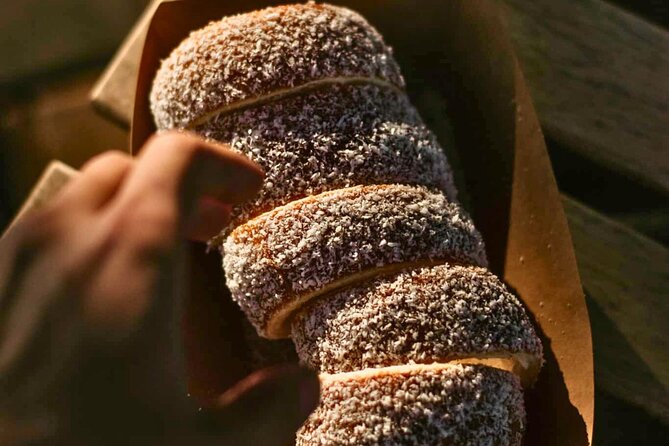
When the cakes are ready, you choose the flavor coating. Sugar, cinnamon, and coconut are usually available. The choices are limited, but that is intentional. This workshop focuses on the traditional style rather than a dessert bar filled with creams, sauces, and novelty toppings.
You receive three cakes, so you can use the opportunity to compare flavors. A plain sugar coating lets the caramelized exterior do the work. Cinnamon adds a familiar warm spice, while coconut gives you a slightly different texture and taste. If you have been buying chimney cakes around Budapest, making three versions helps you understand how the coating changes the finished pastry.
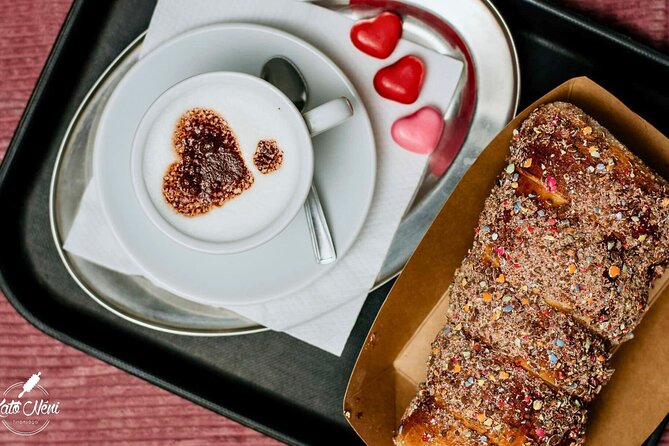
The cakes are placed in paper bags for taking away. You can eat some at the shop, and coffee or tea may be ordered afterward at the tables upstairs. The space is small, so do not expect a long sit-down meal for the whole class. If you want a relaxed coffee break, you may find it better to plan that separately or stay only briefly after the workshop.
Same city, a completely different sort of day:
- Budapest: City Highlights Cruise with Welcome Drink
★ 4.6 · 35,610 reviews - Budapest: Unlimited Prosecco, Beer and Aperol Spritz Cruise
★ 4.8 · 25,310 reviews - Budapest: Széchenyi Spa Day Ticket with Optional Upgrades
★ 4.3 · 23,911 reviews - Budapest: Nighttime or Daytime Sightseeing Cruise
★ 4.2 · 21,062 reviews
How much history and instruction will you get?
The core of the class is practical instruction. You learn the recipe, how to handle the dough, and the tricks needed to try it again at home. A printed recipe gives the experience lasting value, especially if you enjoy cooking and want to recreate the cakes after your Budapest visit.
The amount of background about chimney cakes can vary. Some sessions include information about their history and how versions differ between countries. Other sessions appear to focus almost entirely on making the cakes. If the cultural story matters to you, ask at the start for a little context. It is a reasonable request, though the short schedule may limit how much time the instructor can spend on history.
This difference in pacing is the main weakness of the experience. Most classes are described as fun, clear, and well organized, but at least one session felt rushed and lasted less than an hour. Another report described a class that finished in about 25 minutes, though that appears to be an unusual problem rather than the normal format. A late start or a following class can put pressure on the instructor.
At its best, the workshop fills the hour with useful work. At its weakest, it can feel like a quick production line. If you want a slow baking lesson with plenty of conversation, eating time, and cultural explanation, this may feel too short.
The people who make the class work
The instructor has a major effect on this experience. The strongest sessions feature a friendly teacher who demonstrates each step, watches the group, and offers help without taking over. Mira has been described as gentle, while Virág received praise for being friendly and professional. Tabitha has been noted for clear instruction and patience.
You may also meet other people who add to the fun. The class is limited to 12, and small groups often make it easy to chat while the cakes bake. This is a social activity, but the cooking gives you something to do, so conversation does not have to carry the whole experience.
The shop setting adds a little charm, though it also explains some of the mixed expectations. You are not entering a polished culinary studio with lots of room and seats. You are going into a real chimney cake shop, then downstairs to a working classroom. I see that as a plus if you want a direct connection to the food, but you should not book it expecting a luxury food tour.
Is $38.71 a fair price?
At $38.71 per person, the price is higher than simply buying a chimney cake from a street stand. You are paying for the instructor, the prepared workshop setup, three pastries, the recipe, the certificate, and the time spent learning a technique.
The value depends on what you want. If you only want to taste kürtőskalács, buy one in the city and spend the difference elsewhere. If you enjoy short cooking classes and want an activity that gives you something to take home, the price is easier to justify.
The three-cake format helps. You are not paying for one small sample after watching a demonstration. You make enough to practice, compare flavors, photograph your progress, and share or save the results. The printed recipe also gives you a reason to keep the experience in mind after returning home.
Still, the value drops if your class is rushed or if the teaching is not engaging. Since some sessions have felt shorter than expected, I would arrive ready to make the most of the time. Ask questions early, request help with shaping, and do not wait until the end to take pictures.
Who should book this activity?
This class suits first-time visitors who want a short food activity in central Budapest. It is also a good choice after you have eaten chimney cakes around town and want to understand how they are made.
Families with older children can enjoy it, but children under 7 are not recommended. Babies are also a poor fit because there is no secure place to leave one during the class. The age guidance matters here: the session requires attention, standing, and hands-on work.
You should also think about mobility. The workshop is downstairs, reached by a staircase, and the class may require standing for close to an hour. Assistance has been offered when needed, but anyone who cannot manage the stairs or stand comfortably should contact the provider before booking.
Food allergies require extra care. One person with a nut allergy was able to take part in the making process but did not eat the cakes. Staff communication about allergens may not always be consistent, so if you have an allergy to an ingredient used in the shop, ask the chef directly when you arrive. Do not rely only on a general email answer.
The experience is offered in English, and confirmation is provided when you book. It is near public transportation, and the activity ends where it begins, so it fits neatly into a morning or afternoon in the city center.
Should you book the chimney cake workshop?
I would book this if you want a social, practical Budapest food activity that lasts about an hour and leaves you with three handmade pastries. The recipe, certificate, central location, and chance to practice three times give it more substance than a simple tasting stop.
I would skip it if you want a long cooking lesson, a full meal, or a detailed cultural talk. The room is small, the class can move quickly, and the experience depends heavily on the instructor and the timing of the next session.
For most people who enjoy trying local foods with their hands, it is a good use of a short block of time. Arrive on time, wear shoes suitable for standing, ask about the history and ingredients, and plan to carry three paper-bagged cakes into the rest of your day.
FAQ
Where does the chimney cake workshop meet?
It meets at Kató Néni Finomságai DowntownBudapest, Október 6. u. 6, 1051 Hungary, near St Stephen’s Basilica.
How long does the workshop last?
The stated duration is approximately 1 hour and 15 minutes. Some sessions may finish closer to an hour.
How many chimney cakes will I make?
You will make three kürtőskalács and bake them during the class.
Which flavors are available?
Sugar, cinnamon, and coconut are usually available for coating the finished cakes.
Is the workshop offered in English?
Yes. The experience is offered in English.
Is the class suitable for young children?
Children under 7 are not recommended. The activity is also not recommended for families with babies because there is no secure place to leave a baby.
What do I take home after the class?
You receive your cakes in paper bags, along with a printed recipe and a certificate from the host.
More coffee and cake stops in Budapest
- Budapest: Summer Brunch & Cruise with Prosecco or Cake
★ 4.2 · 193 reviews - Budapest Street Food Tour with Local Snacks, Dessert and Beer
★ 5.0 · 121 reviews - Private Buda Castle Walking Tour with Cake and Matthias Church
★ 5.0 · 40 reviews - Castle District tour with Matthias Church Ticket & Cake & Coffee
★ 5.0 · 31 reviews
Just added around Budapest
- Budapest: Danube River Views Bike Ride★ 4.8 · 23 reviews
- Budapest: City Bike Tour with Coffee Stop★ 5.0 · 37 reviews
- Budapest: Private Walking Tour with a Local Guide★ 3.6 · 6 reviews
- From Budapest: Guided Tour of Eger with Wine Tasting★ 4.5 · 6 reviews
- Budapest: Vacation Photographer to collect great memories★ 5.0 · 49 reviews
- Walk to recent and aged spiritual sanctuaries near Budapest★ 5.0 · 5 reviews
- Audio visual multi-sensory chefs journey dinner experience★ 5.0 · 3 reviews
- Budapest: 3-Hour Trabant Sightseeing Tour★ 4.7 · 28 reviews
Budapest Cooking Classes, compared.

Budapest All in One Small Group Walking Tour with Strudel Stop
Read our review →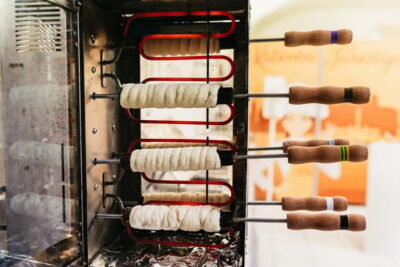
Hungarian Chimney Cake Workshop in the City Center
Read our review →
Budapest Cooking Class & Market Tour with Local Guide & Wines
Read our review →
Premium Hungarian Home Cooking Experience with Chef Marti
Read our review →
Hungarian Cooking and optional Local Market Tour
Read our review →

Hungarian Strudel Making Class: Stretch & Fill Two Ways
Read our review →
Private Budapest All In One Walking Tour with Strudel Stop
Read our review →Browse the lists this tour appears in